

Pump Track Design Ideas for Better Public Spaces
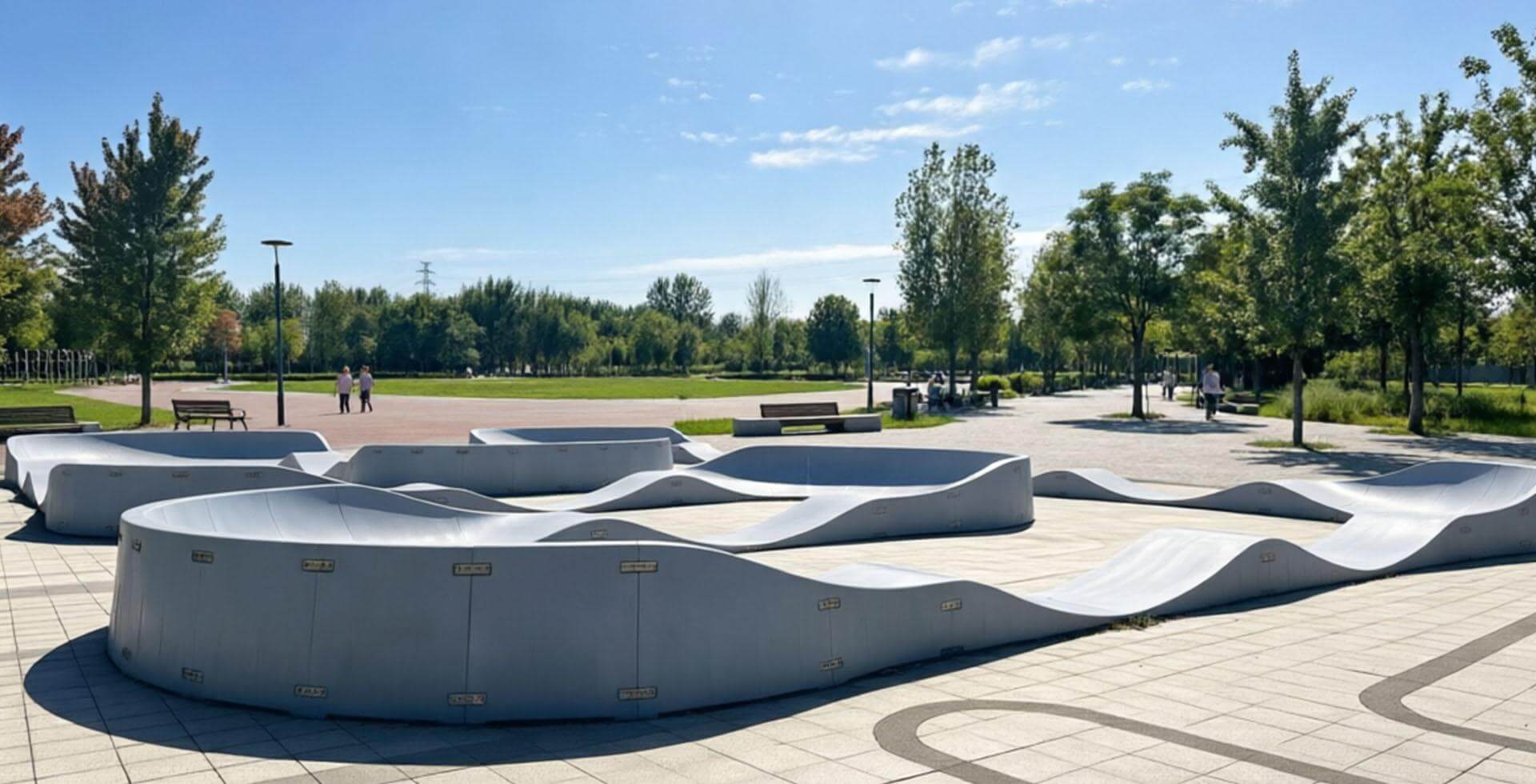
A pump track can be something beyond a riding circuit. When it is installed in parks, school playgrounds, resorts, camping sites, and community centers, it can transform into the feature of the space which visitors will pay most attention to. All these depend on certain aspects of design like color, planning, flooring, vegetation, sitting, shading, and integration of the track with the surrounding area.
A well-planned modular pump track works for bikes, BMX, scooters, skateboards, and balance bikes. Riders use body movement to keep speed through rollers and turns, so surface grip, sight lines, and layout rhythm all matter. When those details match the wider landscape, the result feels like a designed destination, not equipment placed on spare ground.
Start with the Site, Not the Track
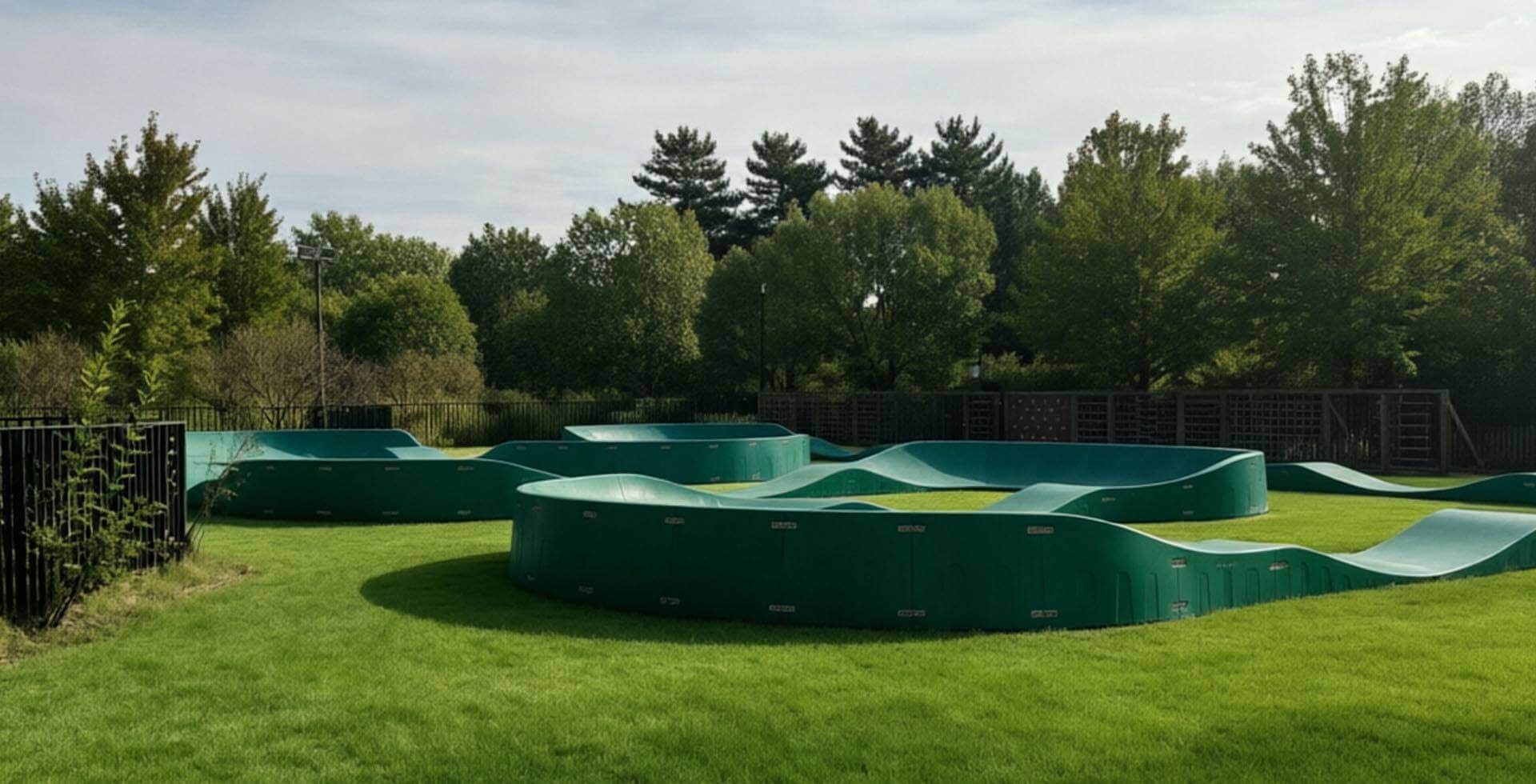
Before choosing a pump track layout, project teams should read the daily life of the site. A school needs control and clear supervision. A public park needs open access, family seating, and good links to paths. A resort may need a compact attraction that serves different ages without taking over the site.
The best pump track design usually begins with four checks: available space, user age, wheel types, and stopping zones. A narrow strip may suit a straight roller line. A rectangular lawn may suit a compact loop. A larger park edge can take a core track with turns, berms, and repeatable flow.
Match Layout to Rider Level
A layout that looks exciting on paper can feel stressful for new riders if turns are too tight or rollers are too close. Younger children need low rollers and open corners. Teens, BMX riders, and scooter riders often want more flow. For mixed users, a readable loop is often better than a complex shape.
| Site Type | Suitable Pump Track Idea | Design Priority |
| Schoolyard | Micro track or straight roller line | Visibility and safe stopping |
| Neighborhood park | Core loop with open turns | Family use and repeat visits |
| Resort or campground | Modular loop near activity areas | Fast setup and broad appeal |
| Urban plaza edge | Compact custom layout | Strong visual identity |
| Large recreation park | Combination track | Progression for mixed skills |
Use Color as Part of the Place
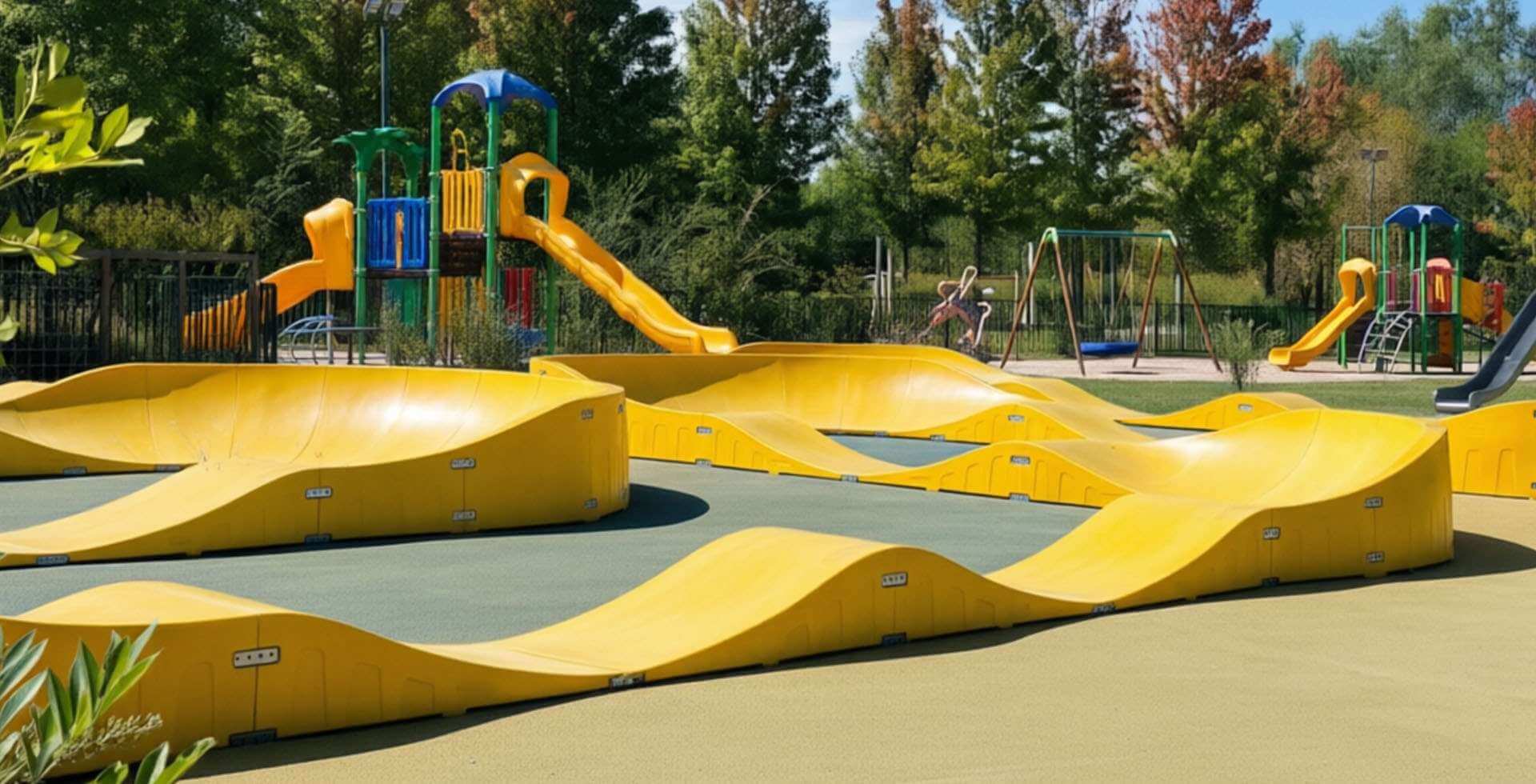
Color is one of the fastest ways to make a modular pump track feel designed. Standard blue gives the track a clear sports character and high visual energy. It works well in open parks and youth recreation zones.
Other projects need a softer look. A green, grey, sand, or earth-tone pump track color scheme can sit quietly beside lawns, native planting, timber seating, or natural stone paving. For a school, custom RAL colors can follow campus colors. For a city park, the track can echo signs, playground colors, or public art nearby.
Avoid Random Color Choices
Strong color is useful, but too many colors can make the site look busy. A good rule is to pick one main track color, one support color for signs or edges, and one landscape color from the planting palette.
A blue track with grey paving feels sporty and clean. A dark green track with timber benches feels quieter and more natural.
Pair the Riding Surface with Better Paving
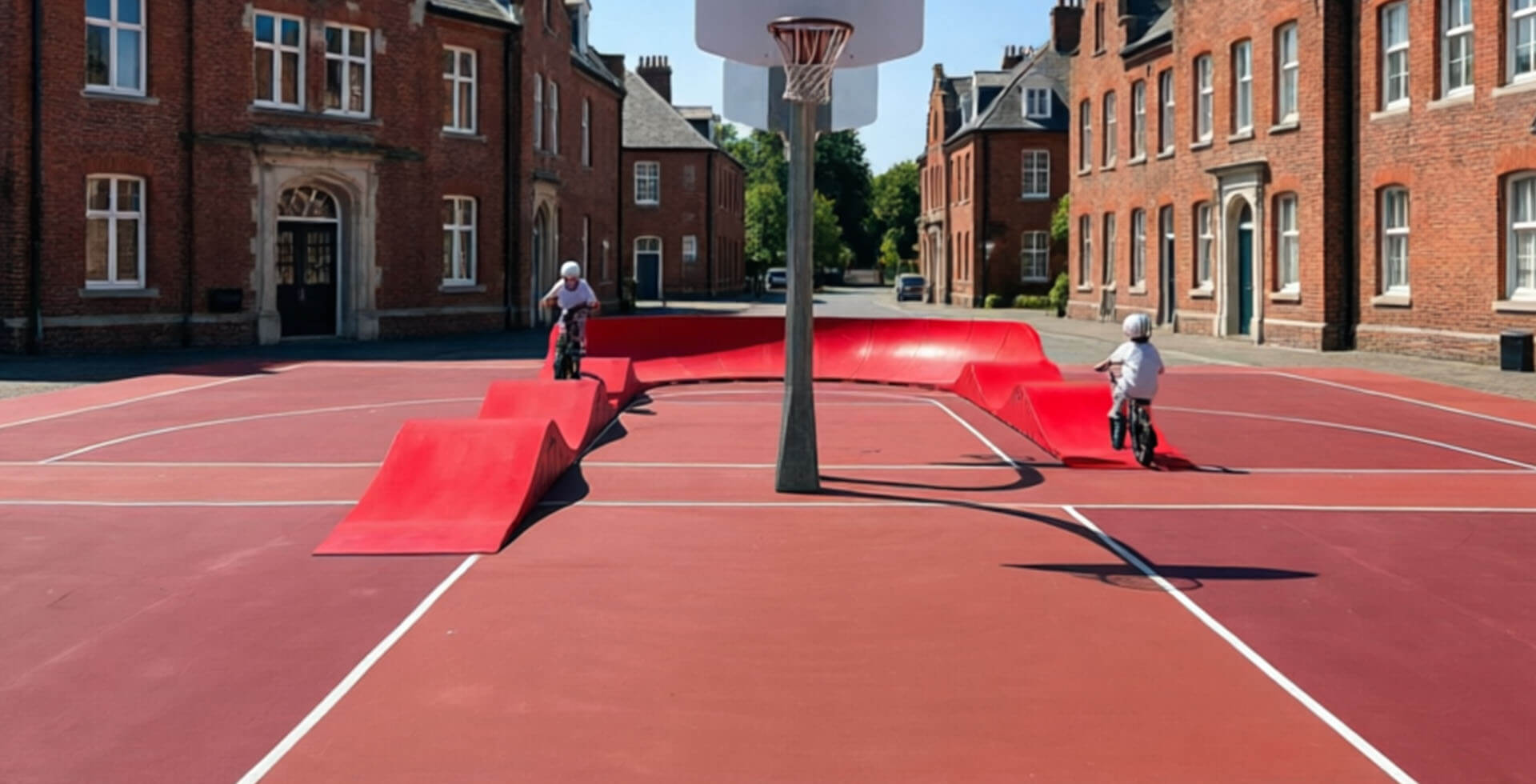
The pump track surface must be described and treated as anti-slip, textured, and grip-focused. It is not a slick or glossy surface. This detail matters because small wheels react quickly to dust, water, and loose debris.
The area around the track needs equal care. If the paving feels unfinished, the whole project feels temporary.
Good pump track paving ideas include:
- a firm entry pad for helmets, scooters, and waiting riders;
- a clear walking path around the outside of the track;
- permeable paving where rainwater needs to drain;
- a color or texture change at the track edge.
Plan Drainage Before Planting
Water should not collect under modules, beside turns, or at entry points. A slight base fall, clean edge detail, and planned drainage path help protect the riding line after rain. In public parks, a shallow rain garden or planted swale can keep mud away from the anti-slip pump track surface.
Design Landscaping for Safety, Shade, and Views
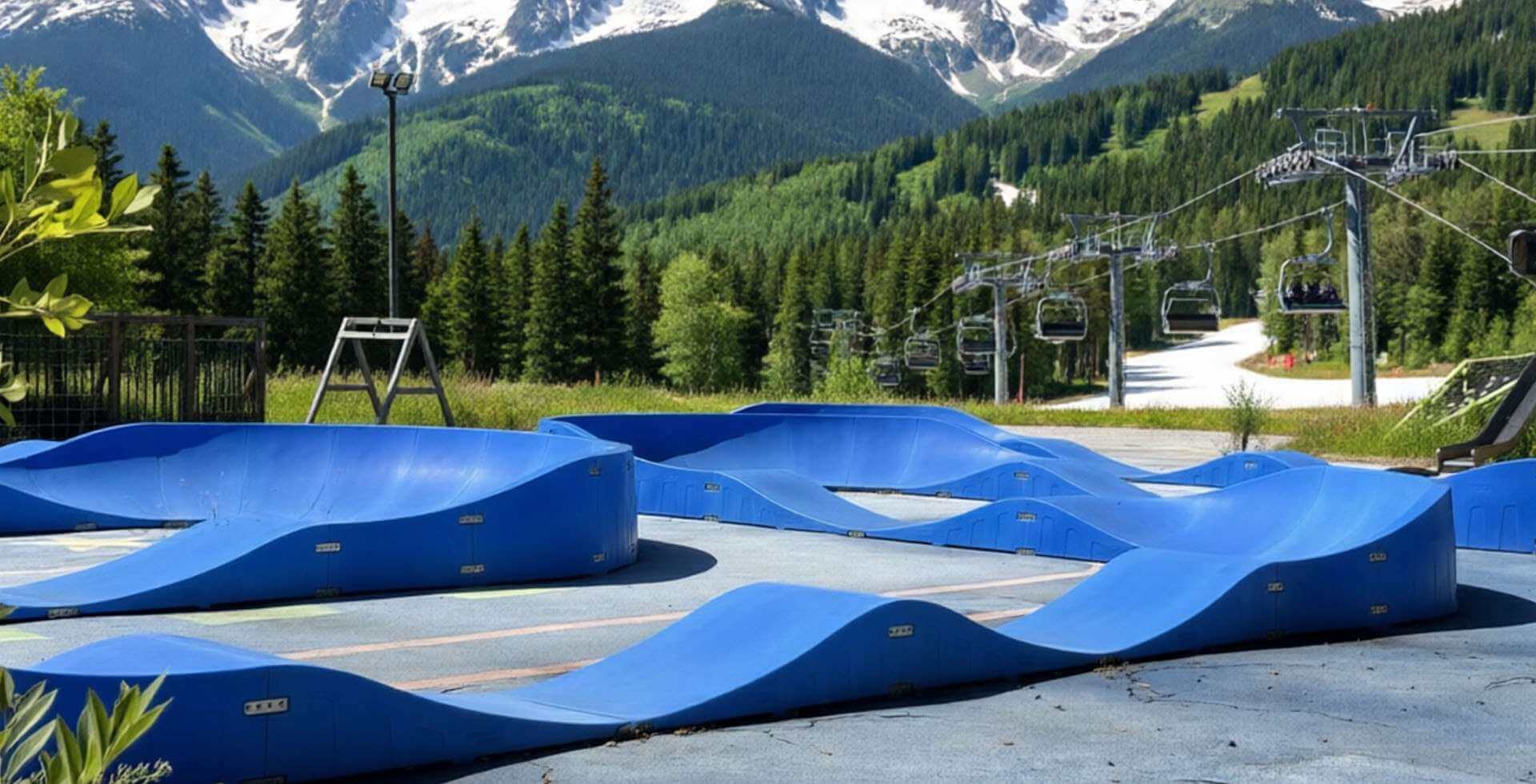
Pump track landscaping should guide people without blocking views. Low grasses, groundcover, and small shrubs work well along open edges. Trees are better near seating areas than inside fast turning zones. Dense planting should stay away from corners where riders need to see the line ahead.
The goal is simple: riders need clear sight lines, and families need comfortable places to watch. Shade trees near benches can make the area usable in warm weather. A grass bank can work as informal spectator seating.
Make the Public Area Worth Staying In
A pump track that only serves riders misses half of its value. Parents, friends, visitors, and future riders also shape the life of the space. Add a small social zone close enough to watch the track, but far enough from moving riders.
Useful public space features include:
- benches facing the main riding line;
- helmet and rule signage at the entry;
- bike racks near the waiting area;
- shade from trees, canopies, or nearby structures;
- low lighting for evening visibility where local rules allow.
These features raise dwell time. A parent may stay for 40 minutes instead of 10. A child who only watches on the first visit may bring a scooter next time.
Choose the Right ULTRAPUMPTRACK Layout
Different sites need different track scales. The best choice is not always the largest model. It is the model that fits the space, rider mix, budget, and visual goal.
Product Ideas for Real Sites
Pump Cycle 1 is a smaller Micro Track with three rollers. It fits beginner zones, school corners, and existing park edges where space is tight. Dynamo adds more action, with rollers and turns for a narrow but playful site.
Velocity Loop 1 is a practical starting point for a community core track. It gives riders a full loop experience without needing a very large footprint. Speed Dome adds stronger visual character with a creative entry-level layout and a table top feature.
Cosmo works well when a public park needs more riding variety and stronger visual rhythm. Rampage is a combination track that links different riding sections, making it suitable for beginners and more advanced riders in one shared area. A site can start with a micro or core layout, then add modules later as traffic, budget, or community demand grows.
ULTRAPUMPTRACK as a Modular Pump Track Supplier
ULTRAPUMPTRACK supplies modular pump tracks for parks, schools, community centers, campgrounds, resorts, commercial venues, and backyard projects. The company comes from a cycling and pump track building background, with earlier experience in dirt and asphalt tracks before moving into plastic modular systems.
Its modular pump tracks are made for wheeled sports users, including bikes, scooters, BMX, skateboards, and balance bikes. The system is built around layout flexibility, quick assembly, weather-resistant materials, an anti-slip riding surface, and the option to adjust or expand the layout as site needs change.
For project teams, this matters because a public pump track has to work after opening day. It must handle daily use, mixed skill levels, outdoor weather, and later changes in budget or demand. Standard layouts, custom design support, color choices, and service support give buyers a clearer path from early site planning to final installation.
Conclusion
A pump track becomes a design feature when every part of the site works together. The layout gives rhythm. The color gives identity. The paving makes access clean and clear. The planting adds shade, comfort, and a better setting. The public area turns a riding facility into a place where families and visitors want to stay.
For places like parks, schools, resorts, and community projects, design of modular pump track will provide a good solution to designing recreational land. Using the proper design, anti-slip surface design, good landscaping and public space design, the pump track will become the most visited and photographed part of the land.
FAQs
What is the best color for a pump track?
The best color depends on the site. Blue gives a strong sports look and high visibility. Green, grey, or earth-tone colors can help a modular pump track blend into parks, gardens, or resort landscapes. Custom RAL colors are useful when the track needs to match a school, city, or brand identity.
How can landscaping improve pump track design?
Pump track landscaping improves comfort, safety, and the look of the project. Low planting keeps sight lines open, trees add shade near seating, and grass banks can become informal viewing areas. Good planting also helps the track feel connected to the wider public space.
Which modular pump track is suitable for a small site?
For small sites, Pump Cycle 1 or Dynamo can work well because they offer real riding value in a compact footprint. For a small park with more room, Velocity Loop 1 may be better because it gives riders a complete loop experience.


