

How Much Does a Pump Track Cost in 2026 Complete Budget Breakdown
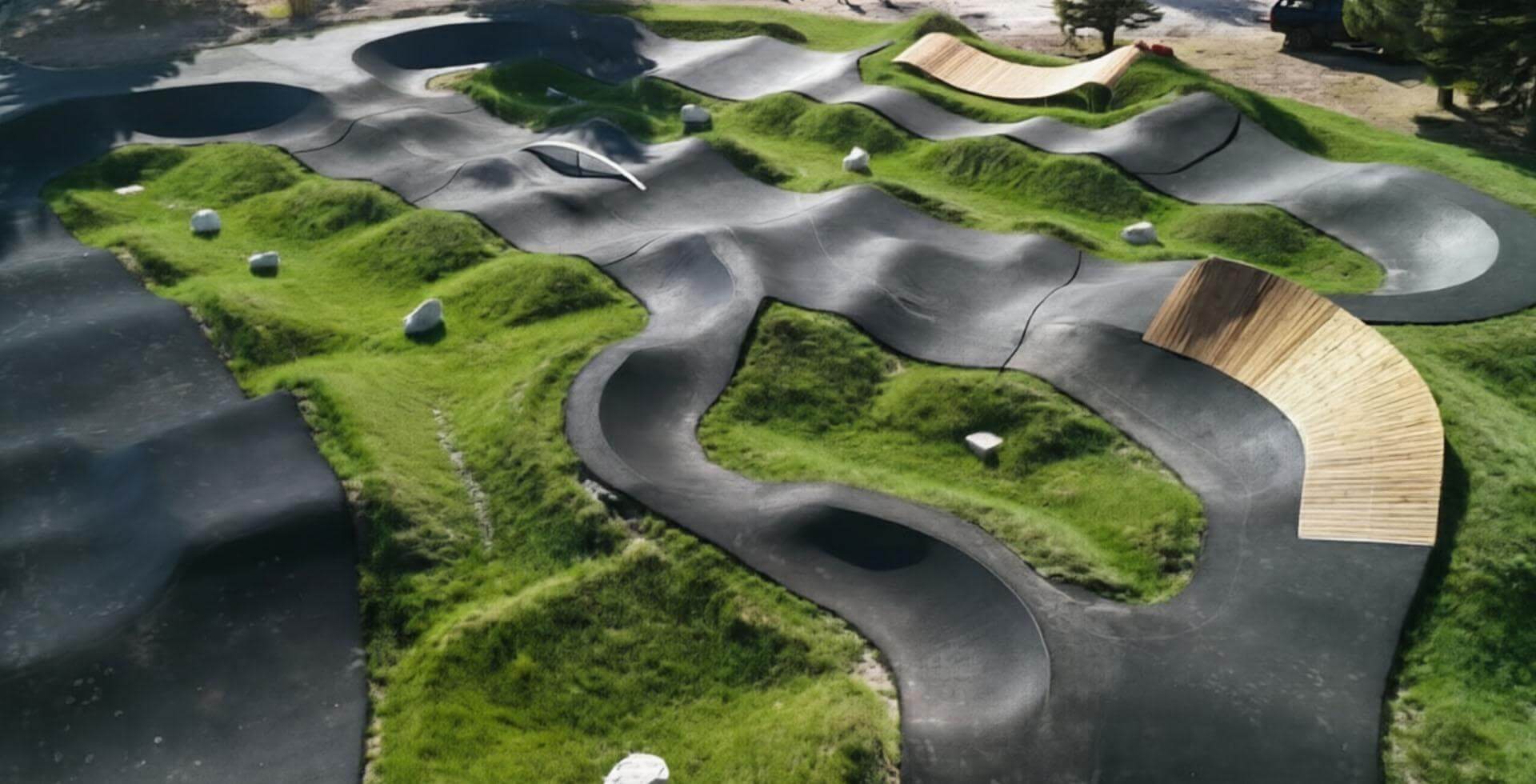
A 2026 pump track budget must cover more than the riding system. Buyers should price design, surveys, ground work, drainage, freight, unloading, installation, amenities, inspection, maintenance and contingency. This guide explains every cost category without using a misleading universal price.
There Is No Single Pump Track Price in 2026
A complete pump track budget depends on layout, construction method, site conditions, base work, drainage, freight, installation and amenities. A supplier price may cover track components only, while a council budget must cover the whole site from survey to opening. Quoting one universal price would hide the largest variables.
The useful question is not “what does a pump track cost?” but “what scope is included in this number?” Create one budget structure and require every bidder to fill it in.
Design and Preconstruction Costs
Early costs can include a measured survey, concept layout, ground investigation, drainage advice, engineering review and local approvals. Small projects sometimes skip investigation and carry a contingency instead, but that transfers risk into construction.
A clear design brief reduces redesign. It should identify users, wheel types, peak periods, available boundary, delivery route, intended amenities and any future phase. Professional fees vary by location and complexity, so obtain local quotations.
Track System and Feature Costs
For a modular pump track, the system cost depends on the number and type of sections, layout complexity, surface specification, fixings and any custom requirements. A longer loop generally needs more components, but a compact technical layout may use specialised sections.
Ask for a component schedule and plan reference. This allows the owner to verify delivery, identify spare parts and understand what changes if the layout is revised.
Base Preparation and Drainage
The base can be a major budget item. Work may include excavation, grading, compacted layers, edge treatment and a finished platform within the supplier’s tolerances. Soft ground, contamination, slope or poor access can increase cost.
Drainage should be designed before installation. Include falls, low points, channels or connections where required. A cheap base that leaves standing water creates closures and maintenance work.
Freight Delivery and Site Access
Freight depends on origin, destination, volume, transport mode and current rates. Do not use a fixed shipping time or cost without a live quotation. The budget should also cover local haulage, unloading equipment, temporary storage and packaging disposal.
Check gate widths, turning space, loading restrictions and the route from the delivery point to the base. Difficult access can add labour even when the equipment price stays the same.
Installation and Handover
Installation cost depends on layout, crew, tools, access, base readiness and local working rules. Clarify whether the quote includes unloading, assembly, alignment, fixing, final inspection, staff training and handover documents.
Avoid relying on a generic installation time. Ask for a project programme based on the actual site and identify what happens if the base is outside tolerance.
Amenities and Public Realm Costs
A complete public facility may need paths, seating, shade, signs, bike parking, bins, lighting, fencing or planting. These items can improve access and supervision, but they should follow the operating plan.
Do not place seating inside a run-out or planting where it blocks sightlines. Price amenities on the same site plan as the track so their foundations and drainage do not conflict.
Operations Maintenance and Insurance
Annual costs can include routine inspections, cleaning, minor repairs, staff time, replacement signs and programmed activities. The owner should also discuss insurance implications with its adviser. Avoid assuming that low-maintenance means no maintenance.
Keep inspection and incident records. They support safe operation, warranty discussions and future budgeting. Confirm the supplier’s warranty conditions and exclusions before approval.
Contingency and Inflation
A contingency should reflect the remaining uncertainty. Before surveys, ground and drainage allowances may need more room. After design and firm quotations, the contingency can be reviewed. Do not hide known missing scope inside contingency.
For a 2026 budget, note the quotation date, currency, tax treatment and validity period. Freight, materials and local labour can change, so approvals should state when prices need refreshing.
Check the Commercial Terms
A whole-life view should include the initial project, routine inspection, cleaning, likely minor repairs, staff time and any planned relocation or extension. Avoid inventing a single annual percentage when there is no maintenance history for the site. Instead, list tasks, frequency, responsible team and local labour assumptions. Review the allowance after the first operating year using actual records. The goal is a budget that can be updated, not a ten-year figure that looks precise but hides uncertainty.
Calculate Whole Life Cost Without False Precision
Do not approve the full project while major assumptions remain untested. An early gate can confirm the site and concept. A second gate can approve the measured layout, base and drainage design. The purchase gate should use current freight, installation and local works quotations. The opening gate should confirm inspection, training and handover documents. This structure makes cost changes visible and gives decision makers a clear reason for each release of funds.
Turn the Budget Into Approval Gates
A school budget may place more weight on safeguarding routes, storage, class waiting areas and staff training. A holiday park may prioritise seasonal operation, guest seating and the ability to relocate or extend the layout. A public park often needs paths, signs, consultation, accessibility work and a formal handover. A private backyard project may have fewer public amenities but difficult access through gates or landscaping. Use the same cost categories, then adjust the emphasis for the owner and site.
How to Compare Quotations
Issue the same boundary plan and scope schedule to each bidder. Separate design, system, base, drainage, freight, unloading, installation, amenities, training and warranty information. Mark exclusions and provisional sums.
Calculate whole-project cost and a reasonable operating allowance, not only the equipment subtotal. A higher component price may include work omitted elsewhere, so compare responsibilities line by line.
| Budget category | Typical inclusions | Main variable |
| Design | Survey, layout, technical review | Site complexity |
| Track system | Modules, fixings, custom scope | Layout and features |
| Ground works | Base, grading, drainage | Soil and access |
| Logistics | Freight, unloading, storage | Destination and route |
| Installation | Assembly, inspection, training | Crew and readiness |
| Amenities | Paths, signs, seating, lighting | Public-space scope |
| Operations | Checks, cleaning, repairs | Use and local labour |
Buyer Checklist
- Request a measured plan and written scope.
- Separate equipment price from site work.
- Confirm freight, unloading and storage duties.
- Identify provisional sums and exclusions.
- Include amenities, maintenance and staff time.
- Record quotation date, tax, currency and validity.
- Keep contingency tied to known project risks.
About ULTRAPUMPTRACK
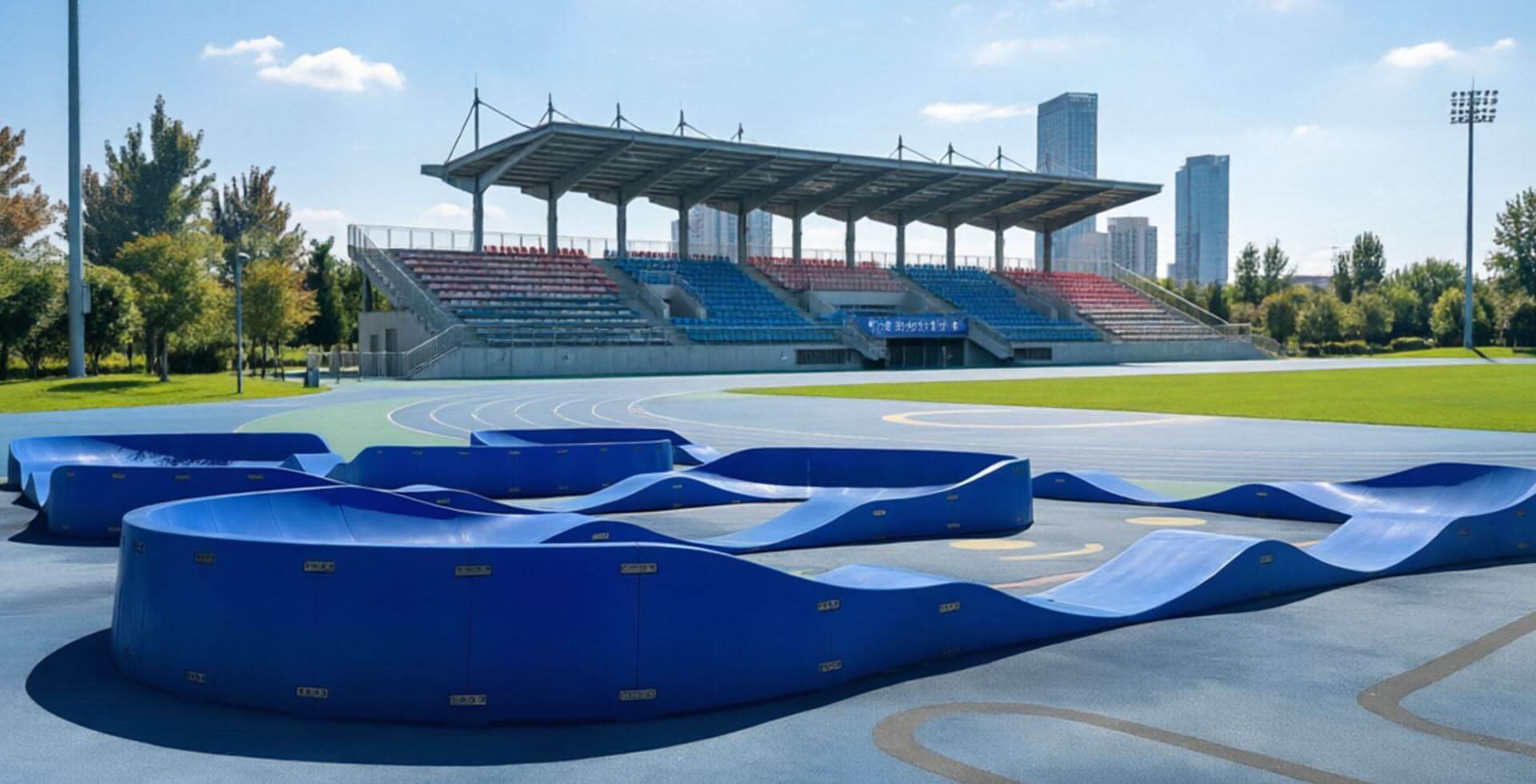
ULTRAPUMPTRACK supplies LLDPE modular pump track systems for public parks, schools, holiday parks, events and private projects. Its project scope can include layout advice, component planning, delivery coordination and installation support. Buyers should request an itemised proposal covering the selected track, site assumptions, logistics, installation, inspection guidance and warranty terms.
Price is only one part of the commercial comparison. Record payment stages, quotation validity, delivery basis, tax, currency, warranty period, exclusions and the process for damaged or missing items. Confirm which party carries risk during freight and unloading. If a custom colour or layout is requested, obtain the written surcharge and programme effect rather than relying on an earlier estimate. These details can change cash flow even when the total equipment cost looks similar.
Conclusion
A pump track budget should be viewed as a complete project investment rather than a simple equipment purchase. The final cost depends on many factors, including design, site preparation, drainage, logistics, installation, amenities and ongoing maintenance. By separating each cost category, comparing suppliers on the same scope and identifying risks before approval, buyers can develop a more accurate and realistic budget. A well-prepared cost plan helps ensure that the pump track is not only affordable to build, but also practical to operate and maintain throughout its lifetime.
FAQs
How much does a pump track cost in 2026?
There is no reliable universal figure. The total depends on layout, system, ground work, drainage, freight, installation, amenities and location.
What is usually excluded from a track-only quote?
Common exclusions can include surveys, base construction, drainage, unloading, paths, signs, fencing, lighting and local approvals. Confirm every item.
How much contingency should a buyer include?
Set contingency according to unresolved ground, design, freight and programme risks. A local cost adviser should confirm the appropriate allowance.
Is a modular pump track cheaper?
It can reduce or simplify some project tasks, but total cost still depends on the site, base, logistics, installation and chosen layout.

