

Why Sports Parks Are Adding Pump Tracks Benefits Costs and Design Ideas
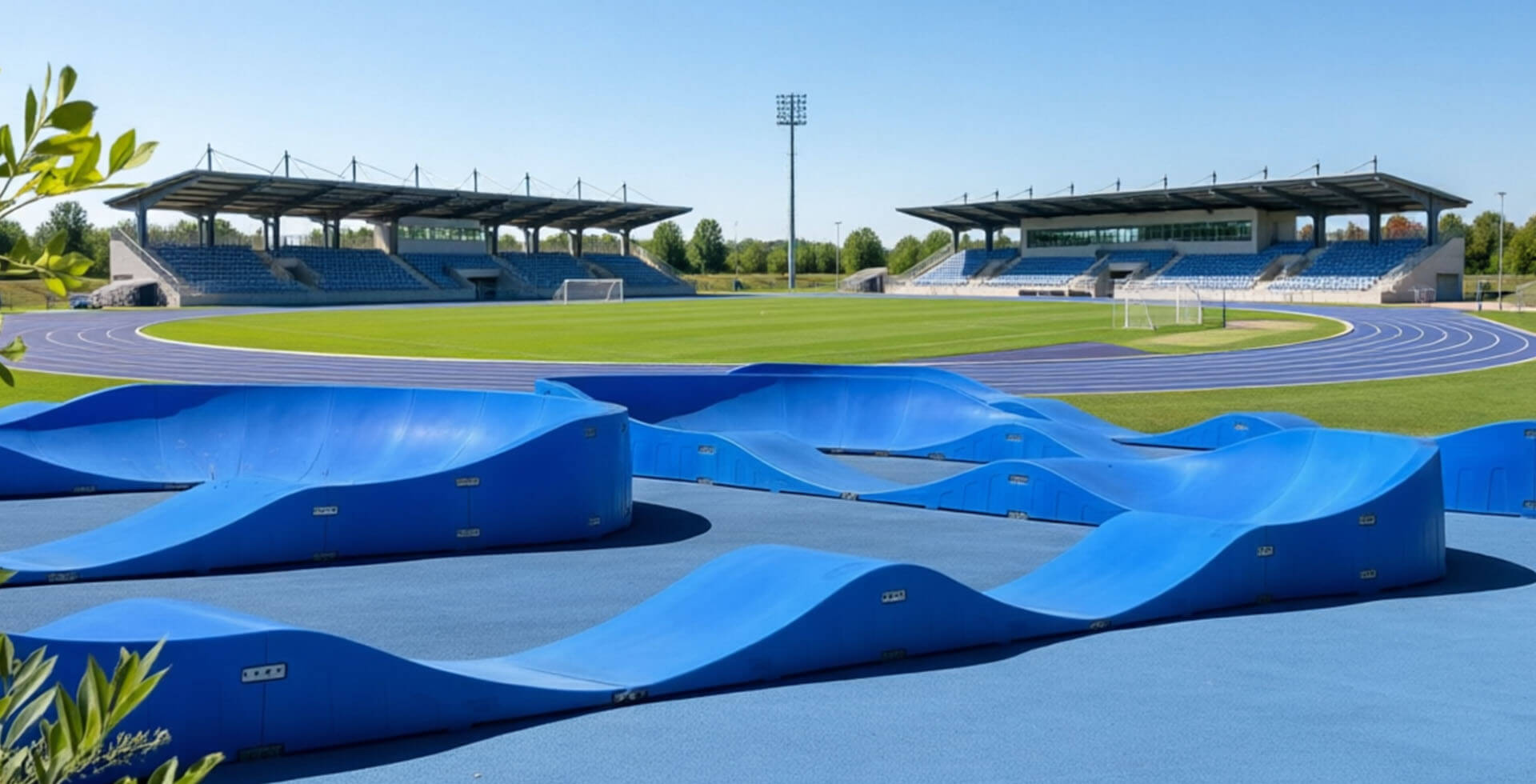
Sports parks are adding pump tracks because they want a flexible wheeled-sport activity beside existing facilities. A sound decision needs a user case, measured site, whole-project budget and operating plan.
Why Sports Parks Add Pump Tracks
A pump track adds a wheeled-sport activity beside courts, fields and walking routes. It can support bikes, BMX, scooters, skateboards and inline skates in one defined area. The strongest project cases define users, peak periods, site limits and operating duties instead of promising universal demand.
The facility should have a clear role in the park plan: open public riding, coached sessions, school visits or community events. Those uses affect the layout, viewing areas, staffing and budget.
Benefits Beyond the Riding Surface
A sports park can offer short visits, repeated laps and organised sessions. A modular pompa pisti may also be configured or expanded when the site and components allow. Measure actual use rather than claiming fixed visitor numbers.
Useful measures include programmed sessions, bookings, usage patterns, closure days, maintenance events and user feedback.
Design and Site Questions
Mark entry, direction, exit, queues and spectator areas. Remove drainage routes, utilities, setbacks and emergency access before judging the usable footprint. Keep pedestrians outside run-outs and put seating where adults can see without crossing the riding line.
A measured plan is more useful than a rendered shape. Review water, shade, leaves, access and maintenance routes for every season.
Build the Whole Project Budget
Include surveys, base preparation, drainage, delivery, unloading, installation, paths, signs, lighting, seating and contingency. Later costs include inspection, cleaning, repairs and staff time. Two sites with the same riding area may have different costs because their ground and access work differ.
Ask suppliers to list assumptions and exclusions beside each price.
Plan Safety and Ownership
Rules should cover helmets, direction, spacing, weather closure and damage reporting. Assign the opening check, closure authority and incident record. Local requirements remain the responsibility of the park owner and relevant professionals.
Review the project after the first season and compare results with the original business case.
A useful site test is to describe one ordinary weekday and one event day. On the weekday, riders may arrive in short bursts after school. On the event day, guardians, coaches and spectators may occupy more space than riders. Mark both patterns on the plan before choosing the footprint.
The approach route matters for inclusion. A rider arriving by bike should not have to cross a vehicle drop-off. A parent with a younger child needs a visible waiting point. A maintenance team needs access that does not depend on moving benches or temporary barriers.
Sports park projects often fail in the budget stage because external works are treated as minor. Drainage, path connections, shade, signs and seating can decide whether the facility feels complete and remains usable during wet or hot periods. List them before the procurement decision.
A phased project can start with a complete, usable riding zone and reserve land for later additions. The first phase should not leave an unfinished connection or force riders into a future construction area. Mark future services, paths and drainage on the first drawing.
When proposals arrive, ask each supplier to show the same boundary, safety clearance and access route. This makes it easier to compare a modular system with another construction approach without confusing different scopes.
Community feedback is most useful when it is tied to a drawing. Ask residents where they expect entrances, seating and lighting, then record which comments changed the plan and which require a separate operating decision.
The park owner should decide who owns the asset after handover. Procurement, parks, schools and community partners may all be involved, but one named team needs authority for inspections, temporary closure and repairs.
A post-opening review should separate low usage caused by weather from low usage caused by poor access or unclear rules. That distinction helps the operator improve programming rather than judging the facility from one quiet week.
| Area | Define | Evidence |
| Participation | Users and sessions | Bookings and observations |
| Site | Access and drainage | Measured plan |
| Budget | Full project scope | Itemised quote |
| Operasyonlar | Checks and closure | Records |
| Future | Expansion options | Annual review |
Evaluate the First Year With Useful Questions
Sports park projects benefit from several small decisions instead of one irreversible approval. First confirm the public need and site. Then review a concept layout, base and drainage assumptions, whole-life budget and operating plan. Before ordering, verify delivery access, installation responsibilities and the final inspection process. A modular system can support phased development, but the first phase still needs a complete circulation plan and enough space for safe operation.
Use a Staged Approval Process
A procurement brief should include the measured boundary, target users, wheel types, operating periods, site photographs, access route, drainage information and the intended handover documents. Ask for a layout that includes external clearances, waiting space and viewing areas rather than only the riding surface. Require suppliers to list what the owner must prepare before delivery. This makes later quotations easier to compare and exposes hidden work before a purchase order is signed.
What a Strong Procurement Brief Contains
A public sports park normally serves riders who are trying a pump track for the first time as well as people who already ride regularly. A clear beginner line, low-risk entry and a visible stopping area help new users make a choice. More confident users need a way to maintain rhythm without overtaking into a beginner’s path. The drawing should show how these users share the site and where a supervisor can observe the likely conflict points.
Design for More Than One Confidence Level
Open public use and coached sessions have different operating patterns. During a school visit, a coach may need a defined starting point, a briefing area and a way to pause the group. During open use, riders arrive at different speeds and may not know one another. A park can manage both by marking entry points, publishing simple rules and reserving occasional session times. The schedule should be realistic for the staff actually available, not based on a permanent marshal at the track.
Separate Public Riding From Programmed Sessions
Bir pompa pisti should connect to the park rather than sit as an isolated object. Review how riders arrive from nearby streets, schools, cycle paths, parking and public transport. A short, visible route from the entrance can make the facility easier to find and easier to supervise. Avoid forcing riders to cross a busy vehicle lane or a formal sports pitch. The plan should show where families wait, where bikes can be left and how emergency vehicles reach the site.
Planning Checklist
- Write the public need and target users.
- Measure usable land after access and drainage.
- Draw riders, queues, spectators and emergency routes.
- Request a whole-project quotation.
- Assign inspection and maintenance duties.
- Set review measures before opening.
ULTRAPUMPTRACK Hakkında
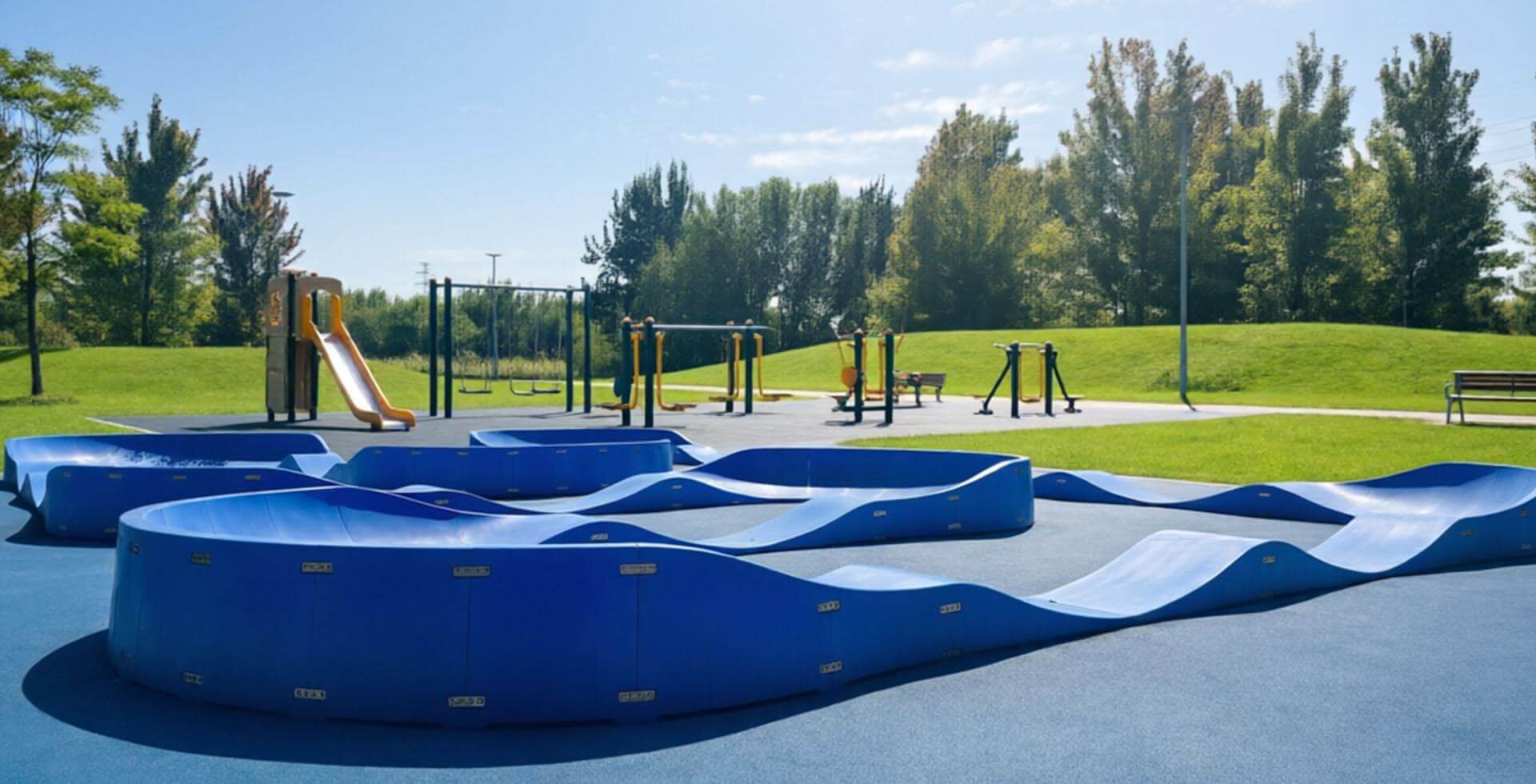
ULTRAPOMPA TRACK supplies LLDPE modular pump track systems for parks, schools, holiday parks, events and managed spaces. Systems can be configured for several wheel types, relocated or expanded where site conditions allow. Buyers should review drawings, base assumptions, drainage, delivery, installation, inspection guidance and warranty terms.
At the first annual review, ask whether the intended users are arriving, whether the facility is open when people expect it and whether maintenance records show a recurring problem. Compare programmed use with open-use observations, but explain weather and seasonal differences. Ask residents and staff about access, noise, cleanliness and clarity of the rules. These answers help the operator improve the service and provide a stronger basis for any future extension.
Çözüm
A successful pump track project requires more than installing a riding surface. It should be planned as a long-term public asset that connects with the wider sports park, meets the needs of different users and can be safely operated over time. By defining the target users, measuring the site conditions, including all project costs and assigning clear ownership responsibilities, park operators can make better decisions and avoid unexpected challenges. A well-planned pump track can provide flexible recreation opportunities, support community activities and remain valuable through regular review, maintenance and future improvements.
Sıkça Sorulan Sorular
Are pump tracks suitable for sports parks?
They can be when users, access, drainage, supervision and the operating plan match the selected layout.
How much does one cost?
Cost depends on modules, base work, drainage, delivery, installation and amenities. Price a defined scope.
What should a park measure?
Track sessions, bookings, closure days, maintenance events, usage patterns and feedback.


