

Beginner vs Advanced Pump Track: How Layout Shapes Riding Experience
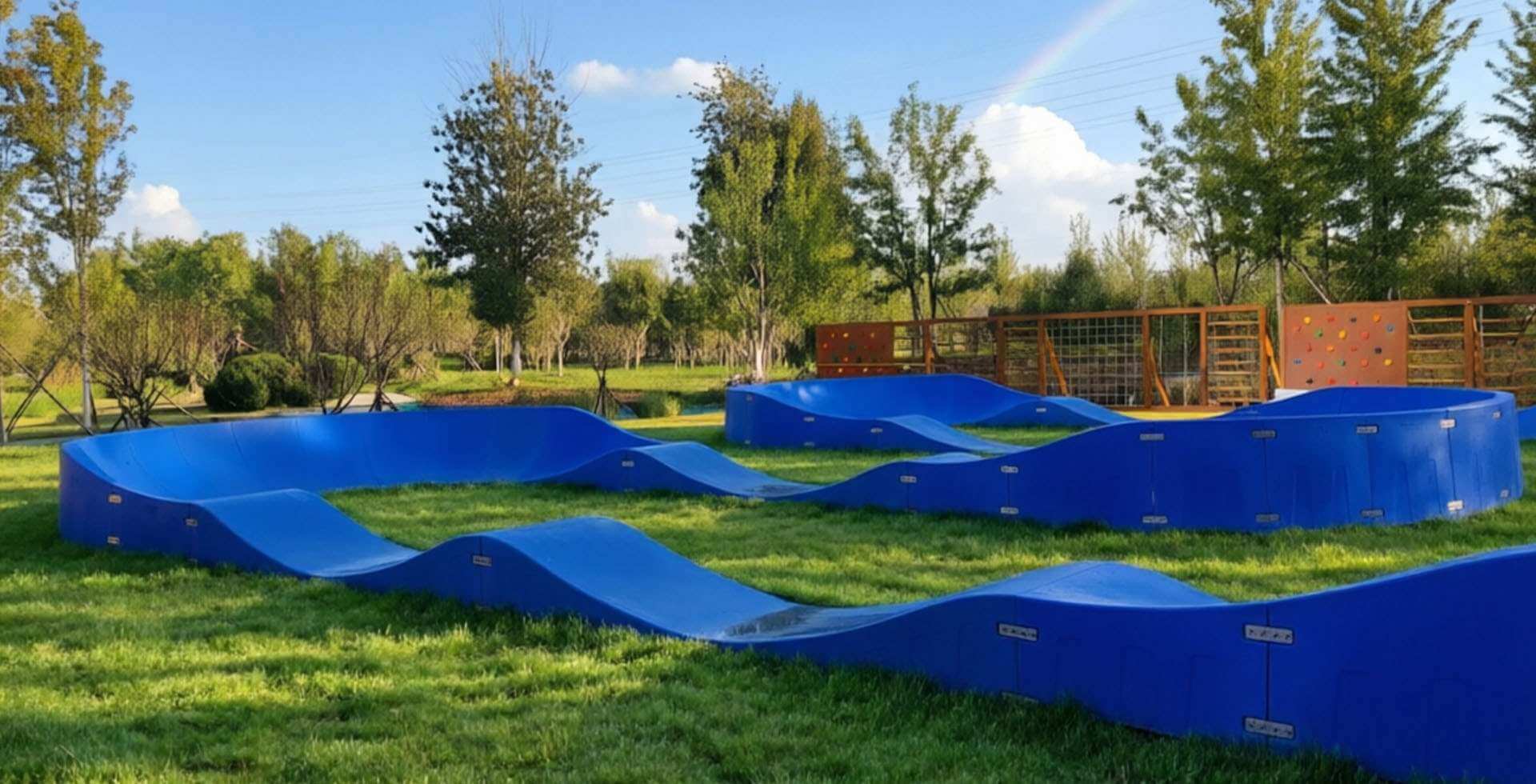
Une piste de pumptrack is not just a set of bumps and curves. The way it is laid out changes how people ride. It affects how they gain confidence. It also changes how they control speed and grow their skills over time. Beginner and advanced pump tracks may look alike at first. But their designs create very different riding feels.
The beginner pump track gives priority to accessibility and safety. The rider is able to acquire riding skills in stages. On the other hand, the advanced pump track caters to riders that have the necessary knowledge about riding the bike. It provides faster speeds, greater challenge, and energetic lines of riding. Knowledge of the differences between these two types will help communities, schools, parks, and individuals choose which one best suits them.
This movement takes place due to the rider’s body weight rather than pedaling. This technique of pumping helps him go forward through rollers and corners. Pump track riding technique is suitable for bicycles, BMX bikes, scooters, skateboards, and other wheeled games.
What Makes a Beginner Pump Track Different?
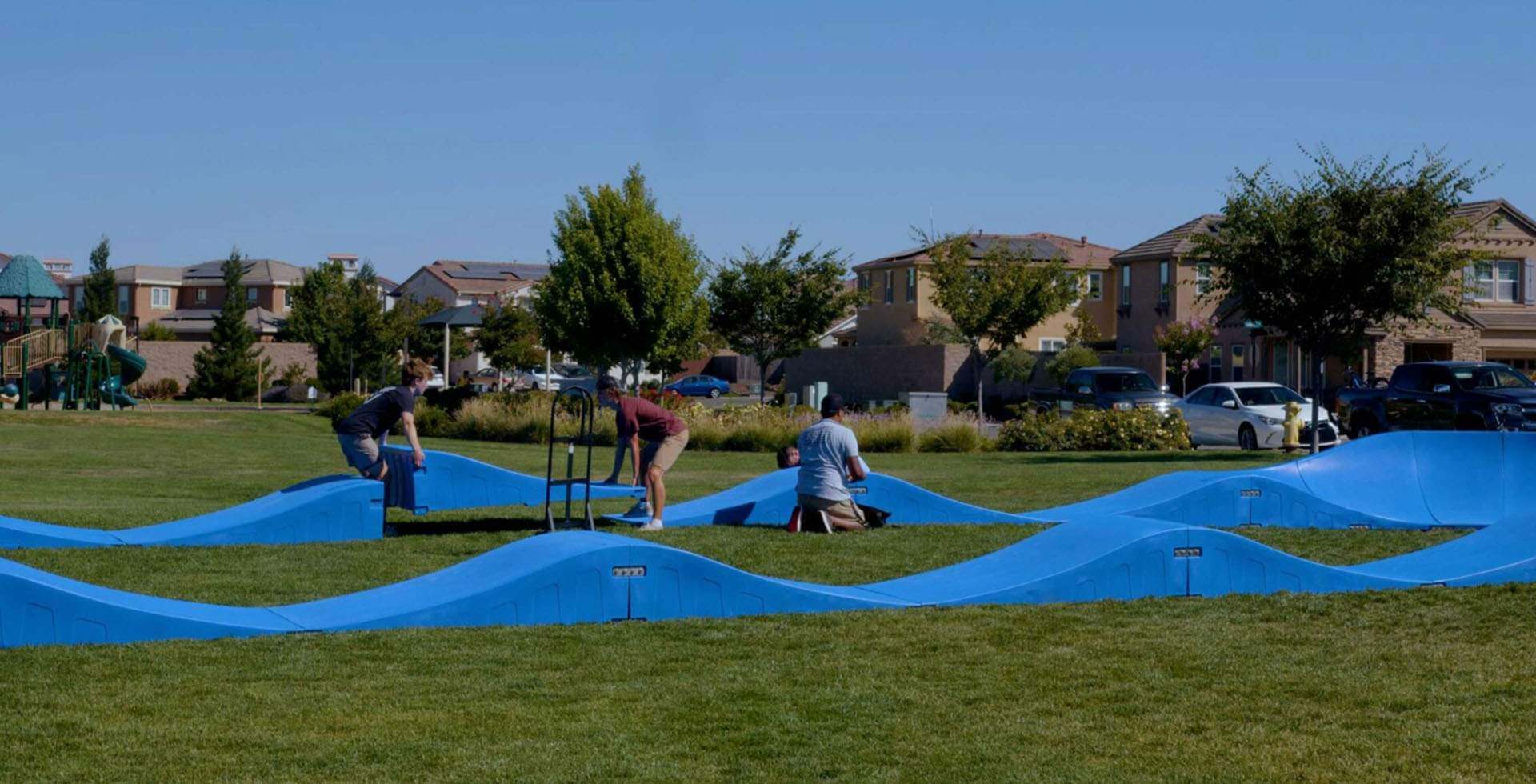
The beginner pump track enables new riders to acquire skills and self-confidence through practice and gradual improvements. It is not all about fast rides but about creating a relaxing environment for improving gradually.
A well-designed beginner setup usually features smaller rollers, wider turns, and visible routes. This reduces difficulty. Children, newcomers, and casual riders can use the pump track without difficulties.
Smaller Rollers Create Easier Learning Progression
Rollers form a key part of any pump track. On a beginner track, the rollers stay smaller and easier to handle. New riders need time to feel how body position changes their movement. Smaller rollers let them practice in a safe way.
They can work on weight shifting. They can improve balance control. They can learn to keep momentum. They can also try basic pumping moves.
For example, a child on a bicycle can ride the same part again and again. The child does not feel pushed too hard. This repeated practice builds trust. Later the child can move on to harder sections with more ease.
Wider Turns Improve Safety and Control
Turns, especially the banked ones called berms, shape the ride a lot. Beginner tracks use wider turns with smooth changes from one part to the next. Riders enter these turns at lower speeds. They can practice cornering skills. They keep better control of their bike or board.
These wider turns suit schools, family play areas, and public parks. Users of many skill levels can share the space without big risks.
Simple Layouts Encourage More Users
A beginner-friendly pump track should feel clear from the first ride. Riders quickly see where to enter. They understand the main path to follow. They know where to slow down. They also learn how to share the track safely with others.
This clarity matters a lot in public places. Beginners and more skilled riders often use the same facility at the same time. A simple layout reduces confusion and keeps everyone safer.
How Advanced Pump Track Layouts Challenge Experienced Riders
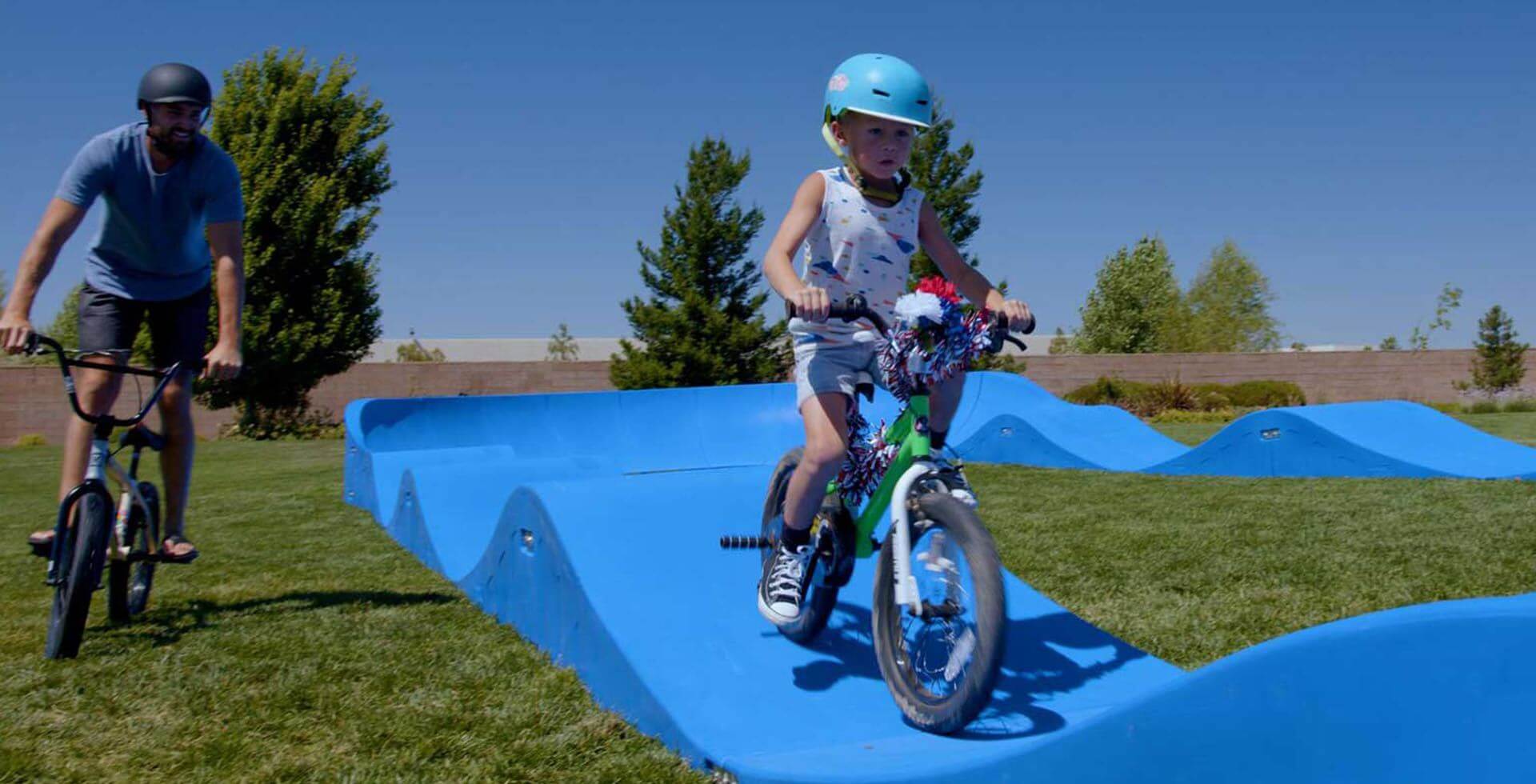
An advanced pump track centers on speed, smooth rhythm, and higher skill. It does not teach the basics. Instead, it gives experienced riders room to push their limits and raise their performance.
Advanced designs often feature larger rollers, quicker sections, tighter turns, and several path choices. These elements demand better timing and stronger body control.
Larger Features Create More Speed
Experienced riders use bigger rollers to build greater speed. These parts need exact timing. Small mistakes in body movement can slow the rider down a lot. Advanced riders focus on keeping speed from start to finish. They work on smooth pumping moves. They also learn to link many sections without losing flow.
A more complex layout rewards practice. Tiny changes in timing can raise or lower speed in clear ways. This keeps skilled riders interested for longer periods.
Technical Berms and Rhythm Sections Increase Challenge
Advanced tracks often mix different elements instead of keeping them separate. One hard section might have large rollers that lead straight into tight turns. Another might include rhythm parts that need precise weight shifts. Some tracks also offer side paths for different riding styles.
This mix keeps experienced riders coming back. The track always offers new ways to improve. Riders can test themselves on each visit and feel real progress.
Multiple Riding Lines Add Long-Term Value
One clear difference between beginner and advanced layouts is the number of path choices. Advanced tracks often let riders pick faster lines. They can choose more technical routes. Some sections focus on jumps. Others serve pure skill practice.
These options raise the value of the track over time. The facility stays interesting for BMX riders and other experienced groups. People return because they can keep finding new challenges.
Beginner vs Advanced Pump Track Layout Comparison
The table below shows how design choices shape the riding feel.
| Design Element | Beginner Pump Track | Advanced Pump Track |
|---|---|---|
| Rollers | Smaller and easier to control | Larger and more technical |
| Turns | Wider berms with gentle transitions | Faster and more challenging corners |
| Riding Speed | Controlled learning pace | Higher speed and performance focused |
| Main Users | Kids, beginners, families | Experienced riders, BMX users |
| Main Purpose | Skill development and confidence | Technical progression and excitement |
Both designs have real worth. The best pump track is not always the hardest one. It is the layout that fits the users, the place, and the expected number of people who will ride it.
How Pump Track Layout Supports Rider Progression
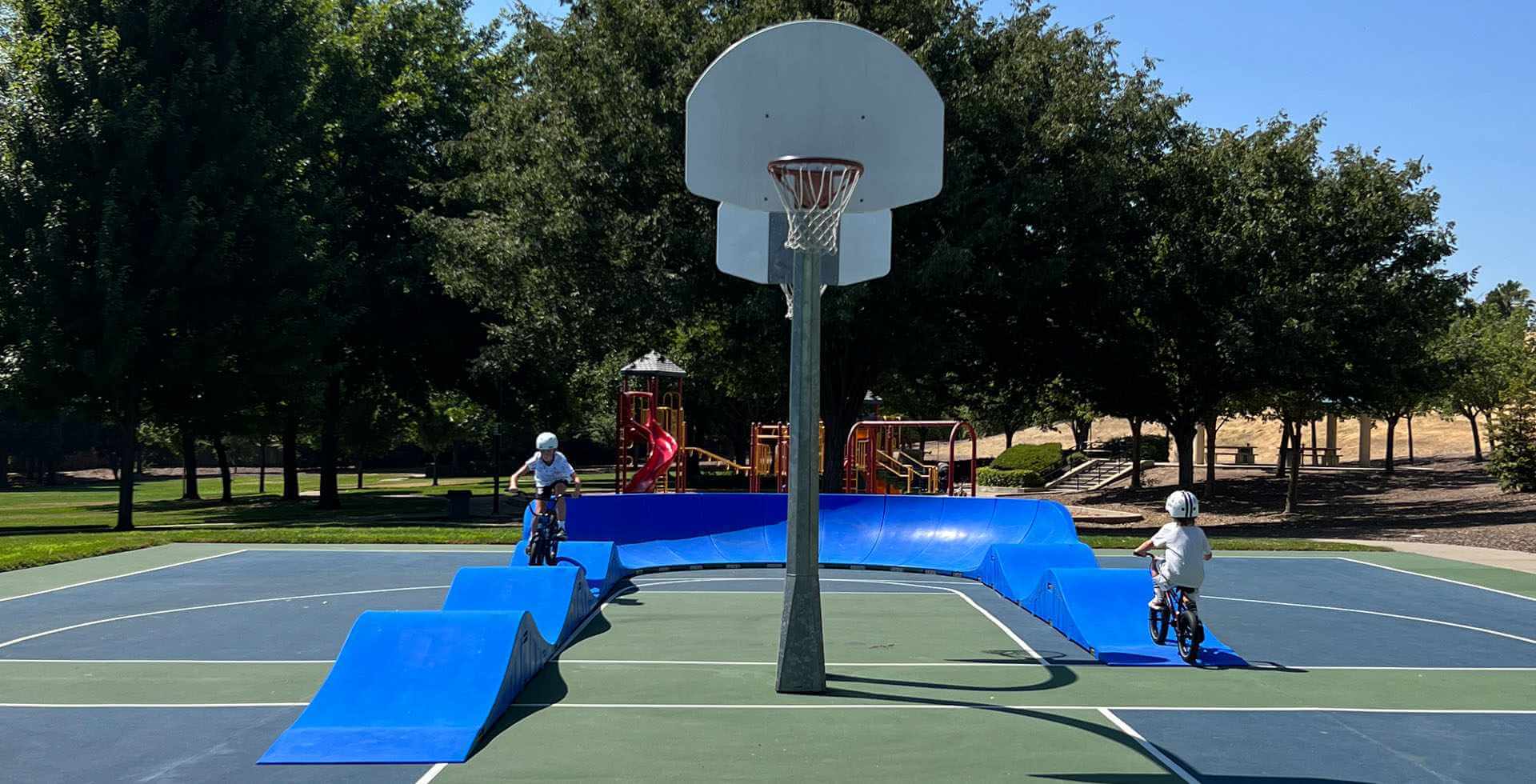
A strong pump track design helps riders grow as their skills rise. A beginner might start by learning simple rollers. After some practice, the same rider can move to faster parts and harder features. This step-by-step path creates a lasting bond between riders and the track.
A well-planned pump track can serve many groups at once. First-time riders learn basic skills. Children improve coordination. BMX riders practice advanced moves. Communities gain active outdoor spaces that bring people together.
For schools and public parks this growth path holds special value. One facility can welcome users of many ability levels. Riders feel welcome at every stage of their journey.
Why Modular Pump Track Design Works for Different Skill Levels
Older pump tracks were often made from dirt. Weather and heavy use could change their shape. They needed frequent care. Modern modular systems offer a more flexible choice. A modular layout can change by adding or removing parts. Designers can adjust the track based on space, budget, and rider needs.
This flexibility suits many places. Schools can start simple. Community parks can grow over time. Bike parks can offer harder lines. Even residential backyards and event spaces can use modular tracks. Unlike fixed builds, modular layouts can change as the users change. A beginner track can later gain extra sections that create more advanced challenges.
Choosing the Right Pump Track Layout for Your Location
The right design depends on who will ride and where the track will sit. Different places need different approaches.
Pump track pour les écoles
Schools usually need beginner-friendly layouts with safe flow. Smaller rollers and simple sections help students learn cycling skills during physical education. Teachers can focus on fun and basic control rather than high speed.
Pump Track for Public Parks
Public parks often need mixed designs. A blend of beginner and intermediate features lets children, families, and more skilled riders share the same space. Clear paths and moderate challenges keep the track useful for a wide group of people.
Pump Track for Bike Parks
Bike parks and dedicated riding spots may need advanced features. More technical layouts can draw experienced riders. They also help build stronger local riding communities that return often.
About ULTRAPUMPTRACK: Modular Pump Track Supplier
ULTRAPUMPTRACK designs and supplies modular pump track systems for many riding settings. The company first gained experience through dirt and asphalt builds. Later it focused on modular solutions that offer more flexibility.
Its modular system works for bicycles, BMX riders, scooters, skateboarders, and other wheeled sports. The system supports many layouts. Customers can adjust the design to fit the available space and the needs of local riders. ULTRAPUMPTRACK offers design help, layout changes, and installation support for different uses. The team works with customers to create tracks based on space and budget. The goal is to build good riding experiences for different ages and wheel types.
The modular track uses a durable composite surface made for outdoor use. It resists weather and offers strong grip. Riders get steady performance in many conditions.
Conclusion
The gap between a beginner pump track and an advanced one goes beyond size or difficulty. The layout shapes how riders meet the track. It affects how fast they build skills. It also decides how long the facility stays interesting.
Beginner tracks build confidence and open access. Advanced tracks offer technical tests and performance chances. With flexible modular design, communities and groups can create spaces that grow along with their riders. The right layout keeps people active, safe, and coming back for more.
FAQ
What is the difference between a beginner and advanced pump track?
A beginner pump track uses smaller rollers, wider turns, and simpler layouts. These help new riders learn safely. An advanced pump track includes larger features, faster sections, and technical mixes. It serves riders who already have experience.
What attributes of a pump track make it beginner-friendly?
Beginner pump tracks generally have small rollers, wide berms, definite riding lines, and smooth transitions, which enable riders to develop their balance and control without getting intimidated.
Can one pump track work for both beginners and advanced riders?
Yes. A modular pump track can mix different sections. It can also expand later. Designers can add or remove modules to match changing user needs over time.
Are modular pump tracks suitable for schools and public parks?
Yes. Modular pump tracks work well for schools, parks, community centers, and other outdoor spaces. They allow flexible setup and support many wheeled sports.
How long does a modular pump track last?
A modular pump track is built for long outdoor use. Under normal conditions the typical life can reach 8 to 10 years. Warranty support is also available for product quality.


