

BMX vs Scooter vs Skateboard: Which Pump Track Works Best?
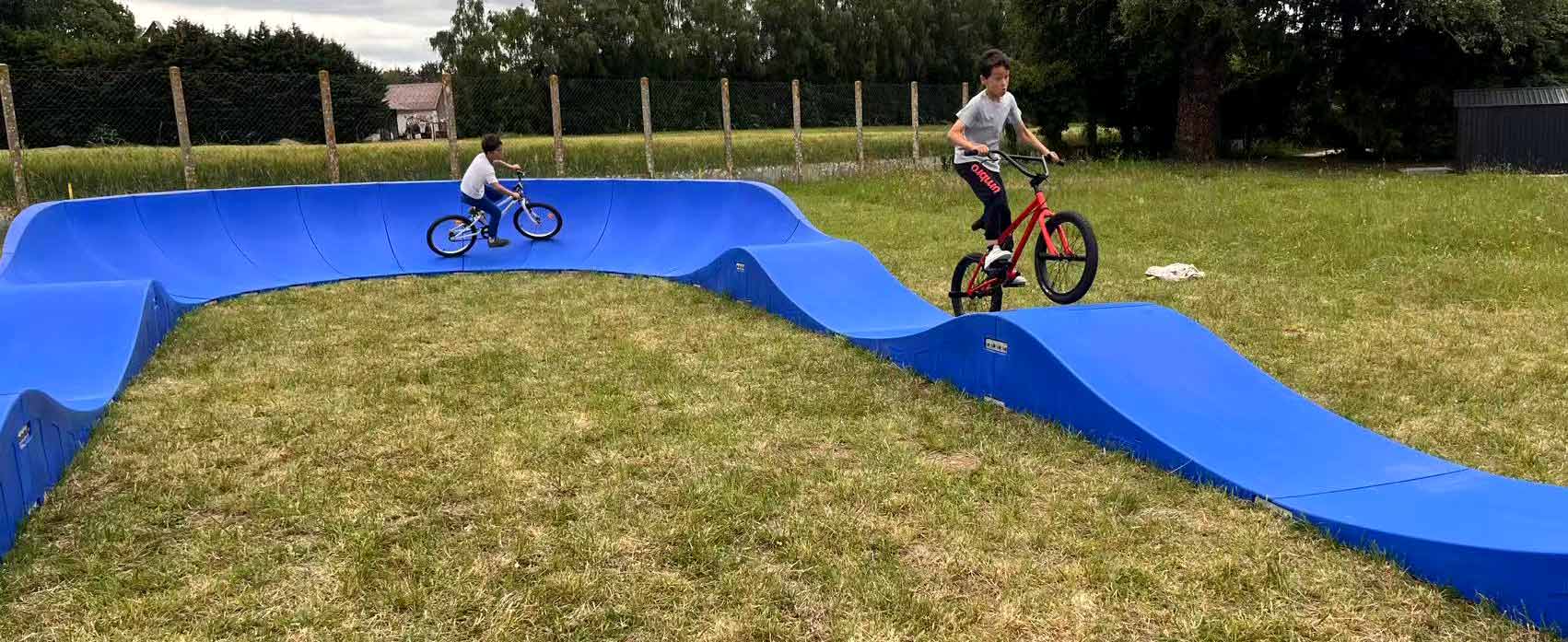
Pumptracks can host BMX bikes, scooters, skateboards, balance bikes, and many other types of wheeled sports activities; however, each person who rides these sports vehicles will have different feelings about the rollers and berms. This becomes important in case a school, park, resort, or sports center wants to build a new pump track facility. The ideal pump track does not depend only on speed; the ideal pump track should be compatible with the target audience and other considerations.
BMX bikers usually seek speed and rhythm. Scooter riders appreciate predictability of transitions. Skateboarders require proper wheel contact and smooth turns as well as a suitable riding surface. A modern modular pump track can accommodate all these needs.
What Makes a Pump Track Work for Different Riders?
Pump tracks are courses designed using rollers, banked turns, and connected transitions. The riders use their body movement to build speed instead of pedaling or pumping continuously. The wheel size, wheelbase, stance, and handling style will differ from one person to another based on the way that they interpret the course.
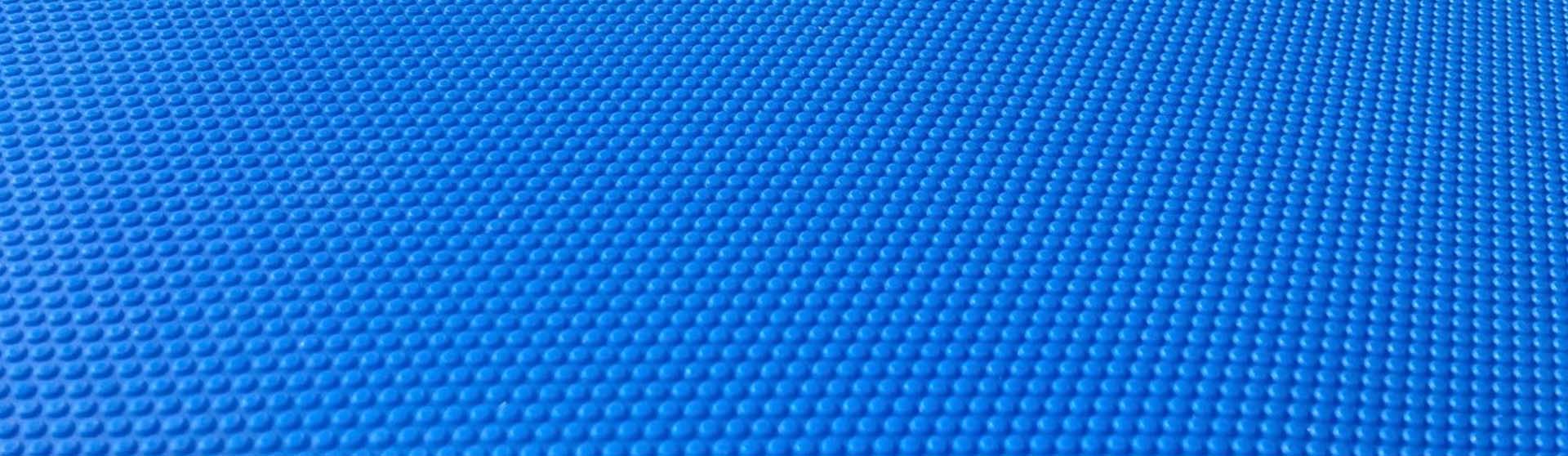
Surface Grip Matters More Than a “Smooth” Finish
The pump track surface should not be referred to as being slippery or smooth. In order to ride bikes, scooters, or skateboards, there must be enough grip. Having a non-slippery surface for the riding experience will ensure controlled grip of the wheels.
Wet leaves, dust, sand, and loose gravel can cause lack of traction even on the non-slippery surface.
Rollers, Berms, and Rhythm Shape the Experience
Roller spacing affects pumping, while turn radius affects how much speed riders carry through a berm. Tight sections reward precision; longer transitions often feel easier for beginners. Pump track design should start with the user mix.
BMX Pump Track: Best for Speed and Skill Progression
BMX remains closely linked with pump track riding. A BMX pump track suits riders who want to build speed, improve cornering, and link rollers without pedaling. Small wheels and direct steering make BMX bikes responsive.
Why BMX Riders Like Technical Layouts
Experienced BMX riders use deeper pumping motions to accelerate over rollers and carry speed through banked turns. They may also use paired rollers as jump lines as skills develop.
A professional BMX pump track often benefits from:
- Multiple rollers with a clear rhythm
- Berms supporting faster entry and exit lines
- Enough straight length to build momentum
- Rollable technical sections for progression
For mixed-skill parks, a rollable layout with room to progress is often more useful than advanced jumps.
Scooter Pump Track: Friendly for Kids and New Riders
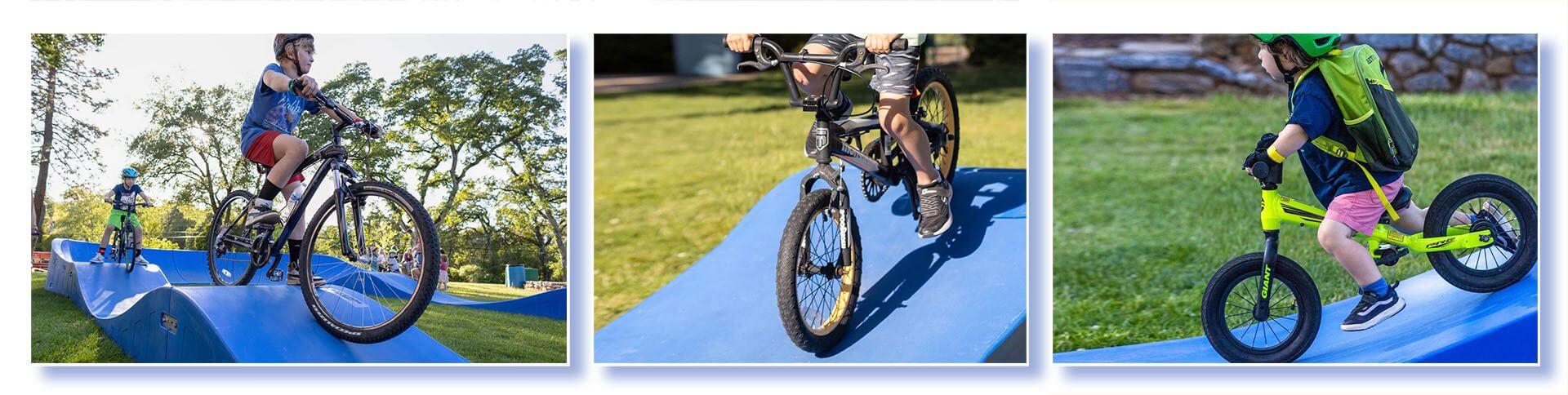
A scooter pump track is a strong fit for schools, family parks, campgrounds, and neighborhood recreation areas. Young riders familiar with kick scooters can learn pumping with a relatively simple entry point.
What Makes a Scooter-Friendly Pump Track?
Due to their small size and wheelbase, scooters have sudden changes. For beginner scooters, clear roller areas, easy entry, and predictable turns create an easier line. The anti-slip pump track surface is important as well since front wheel grip affects steering.
If you build a kid’s scooter pump track, wait areas, sightlines, one-way flow, and room for adults will help to avoid conflicts.
Skateboard Pump Track: Best for Flow and Carving
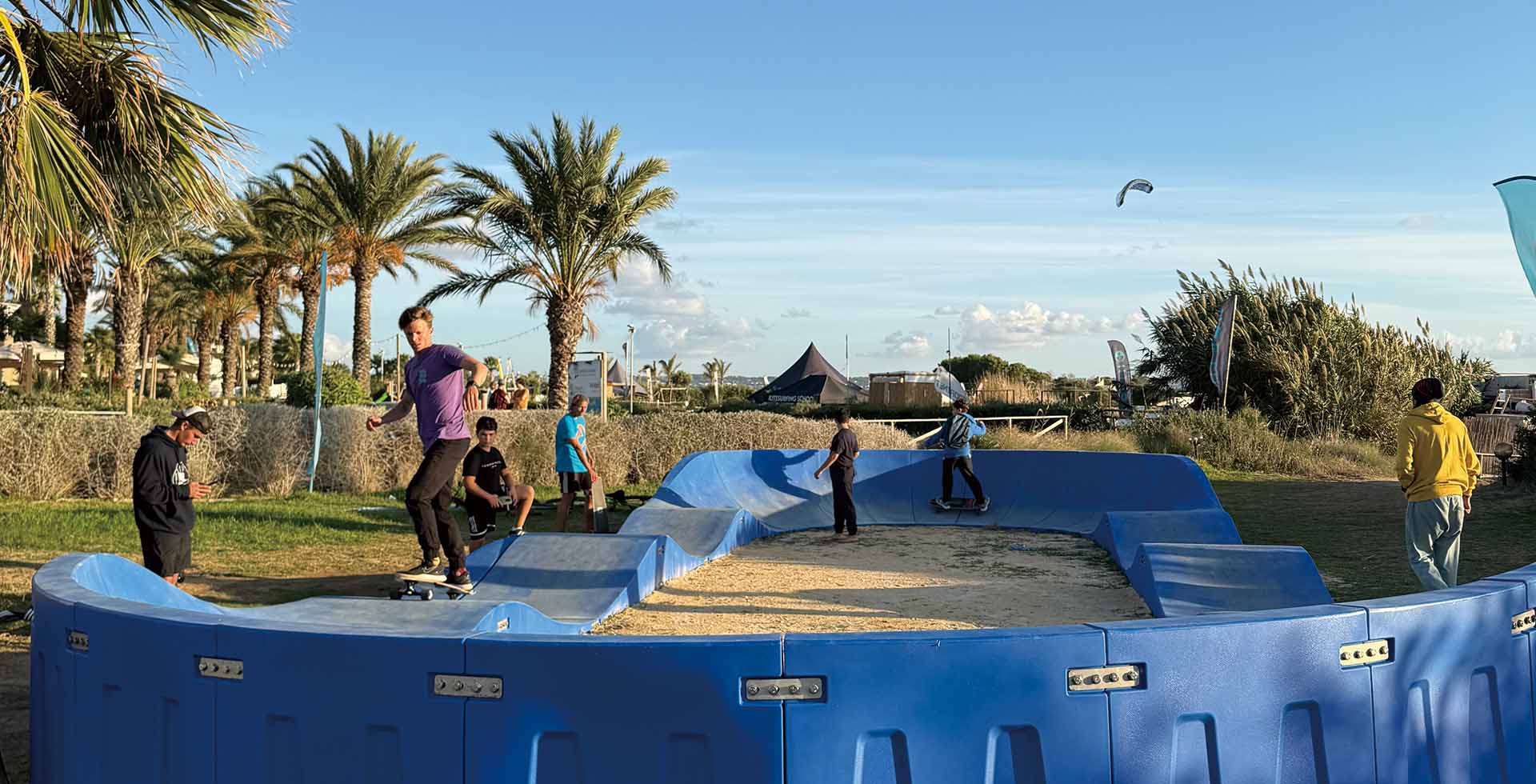
A skateboard pump track creates a different experience. Instead of pushing repeatedly on flat ground, riders use compression and extension to gain speed through transitions. The feeling is closer to continuous carving than street skating.
What Skateboarders Need From the Track
Skateboards have no handlebars, so balance and line choice matter more. A skateboard-friendly pump track should offer reliable traction, readable berms, and transitions that keep all four wheels connected while riders learn.
The goal is not a glossy finish. It is consistent anti-slip grip with enough continuity for wheels to roll cleanly. Beginners may need more time to learn pumping, but the track rewards balance and timing.
BMX vs Scooter vs Skateboard Pump Track Comparison
No single wheel type wins every category. The strongest pump track types serve the intended audience while leaving room for other users.
| Faktor | BMX | Scooter | Skateboard |
| Speed potential | Hoch | Medium | Mittel bis hoch |
| Beginner accessibility | Medium | Hoch | Medium |
| Technical progression | Hoch | Medium | Hoch |
| Turn sensitivity | Medium | Hoch | Hoch |
| Best fit | Training, parks, sport zones | Schools, family parks, youth areas | Mixed parks, skate zones |
Single-sport facilities may favor user-specific geometry. Public parks often gain more value from a multi-user pump track.
Which Pump Track Type Works Best for a Real Project?
The answer depends on site goals. An asphalt pump track can suit permanent projects where extensive ground construction is acceptable. A modular pump track is useful when the owner wants faster installation, a reconfigurable layout, or the option to relocate the system later.
Choose by Site, Not by Sport Alone
A practical pump track installation plan looks at:
- Main rider age group
- Expected mix of BMX, scooters, and skateboards
- Available footprint and safety buffer
- Beginner versus advanced demand
- Permanent or movable installation
- Maintenance capacity
- Future expansion plans
A school may favor a compact beginner pump track. A city park may need a longer mixed-traffic loop. A resort or event venue may prefer a portable pump track.
Modular Pump Track Layouts Worth Considering
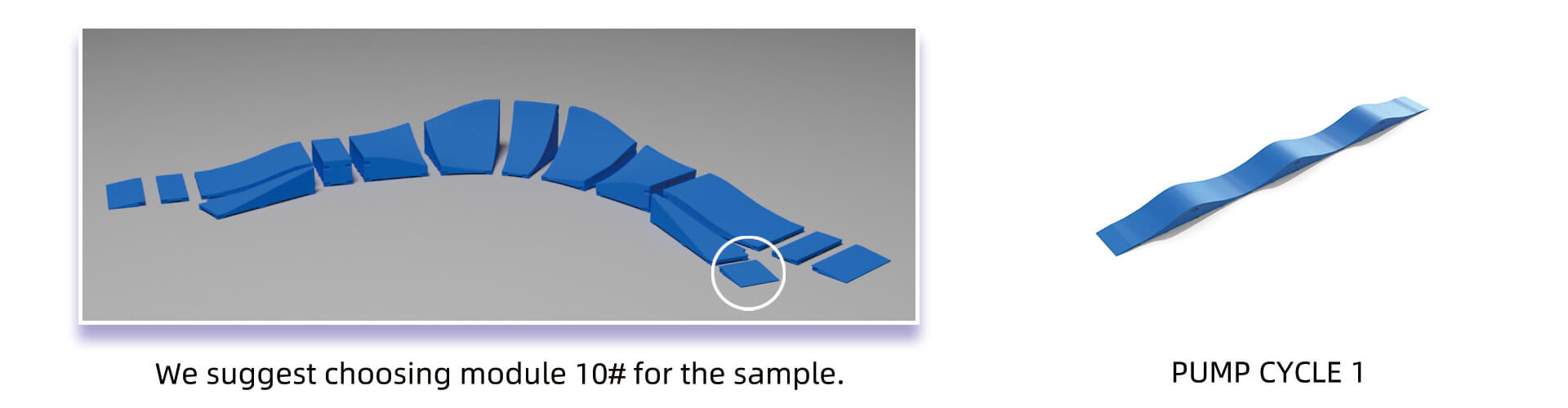
Different layouts solve different site problems. Compact tracks aid entry; larger loops create more rhythm.
| Layout | Best suited to | Key characteristic |
| Pumpzyklus 1 | Beginners, schools, small recreation areas | Straight three-roller format |
| Geschwindigkeitsschleife 2 | Events and mixed-use parks | Classic loop with eight rollers and two turns |
| Speed Dome | Entry-level loop riding | Three-turn design with a tabletop feature |
| Viper | Skilled riders and compact sport zones | Dense layout with multiple turns and rollers |
| Hauptsendezeit | Larger destination sites | Long combination layout with varied turns |
These layouts show why BMX vs scooter vs skateboard is not a simple equipment contest. Scale, turn count, roller rhythm, and user flow shape the result.
Über ULTRAPUMPTRACK
ULTRAPUMPTRACK is a modular pump tracks supplier focused on configurable riding systems for parks, schools, community spaces, backyards, sports facilities, and events. Its modular approach follows experience with dirt and asphalt track construction, with emphasis on easier assembly, layout flexibility, outdoor durability, and multi-wheel use.
The range covers compact beginner formats through larger combination tracks. Modular construction can also support custom pump track layouts based on site dimensions and budget. For planners comparing a custom pump track, portable pump track, or permanent recreational feature, this offers another path beyond fixed earthworks.
Abschluss
So, which pump track type works best? BMX riders get strong speed and technical progression from a well-shaped course. Scooter riders often have the easiest entry point, especially on beginner layouts. Skateboarders gain a flowing, carving-based experience when turns and transitions provide dependable grip.
For most schools, parks, resorts, and community projects, the best pump track design is not restricted to one sport. A modular, anti-slip, multi-user layout can serve BMX bikes, scooters, and skateboards while giving operators flexibility as demand changes.
Häufig gestellte Fragen
Can scooter riders ride a pump track?
Yes. For scooters, a pump track will do good if the rollers are easy to reach, turns are reliable, and the surface of the track has an excellent grip. Cleanliness of the surface becomes a key issue because of small wheels.
Can skateboarders ride a BMX pump track?
Yes, most often. Skaters are able to ride almost all configurations of BMX pump track, if it has rollable transitions and an appropriate traction surface. Too huge and aggressive elements of BMX will not fit novices.
What pump track suits beginners the most?
For a beginner pump track should have simple rollers, easy berms, clearly visible entries and exits without jumps. Modular configurations of the track may fit perfectly for children and novice riders.
Can a modular pump track be used in public parks?
Yes. Modular pump track will be able to accommodate bikes, BMX, scooters, and skateboards and allows modification and relocation of the facility if needed.
Which surface is most suitable for a multi-user pump track?
The surface should be resistant to wear and slip-free rather than slippery. Constant grip helps to ensure that tires or wheels maintain control of the path of movement.


