

Rent vs Buy a Modular Pump Track: Which Investment Pays Off?
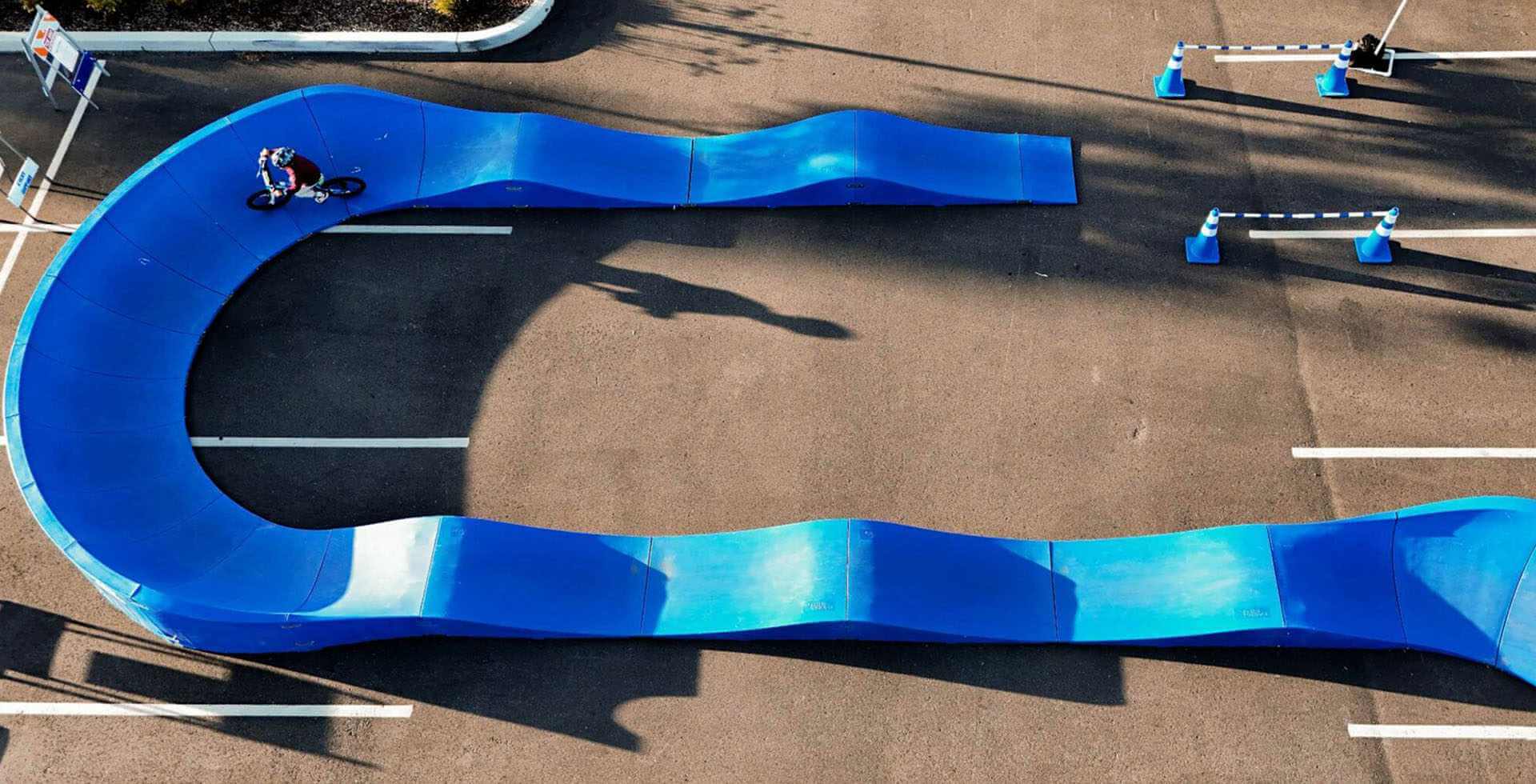
For a school, park operator, resort, event company, or recreation business, the key question is often how to pay for a modular pump track. Rental keeps the first commitment low when demand or schedules are uncertain. Buying turns the equipment into a reusable asset that can stay in one venue or move between sites. The better choice depends on usage time, logistics, space, and long-term value.
What Changes When You Rent Instead of Buy?
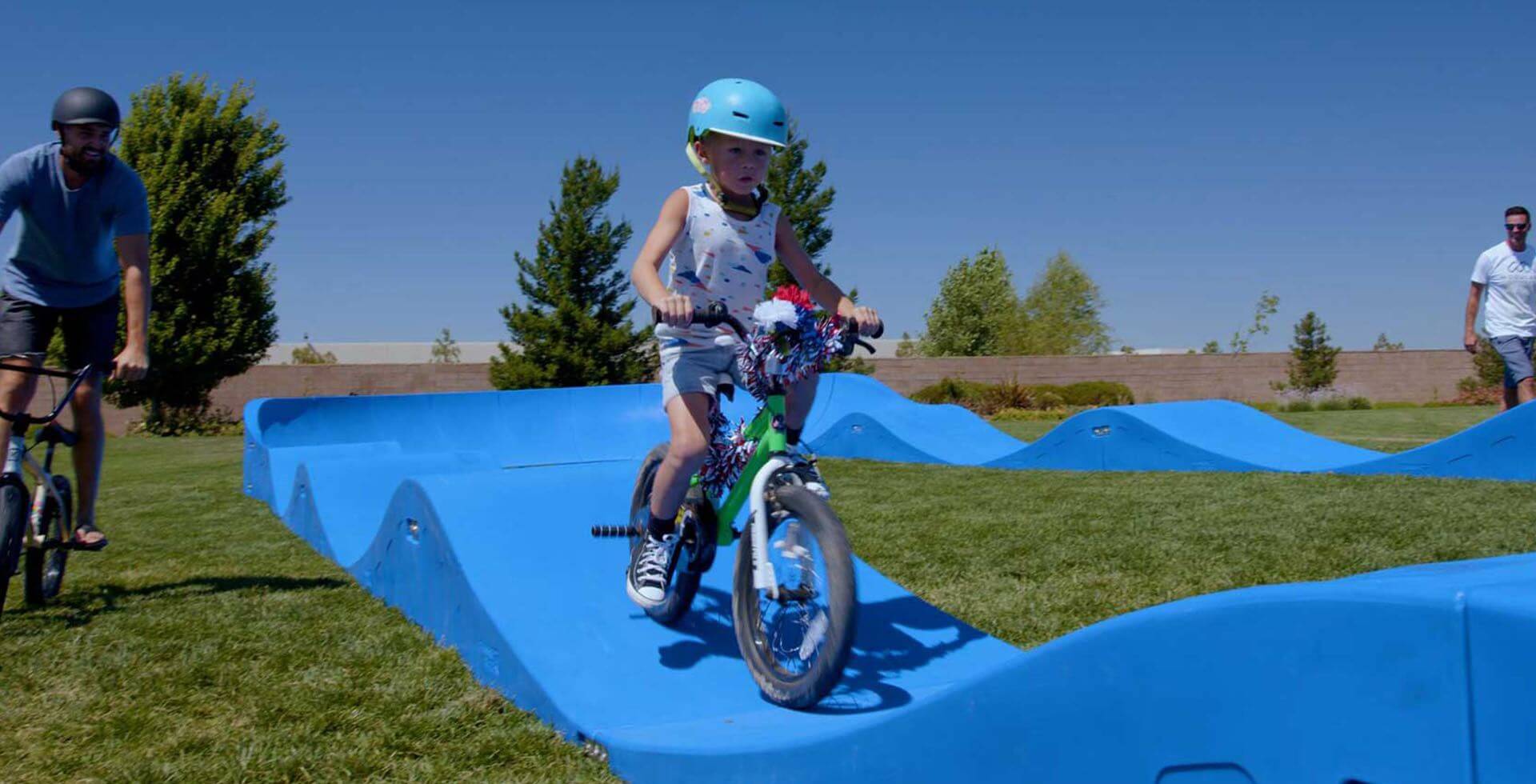
A modular pump track is built from prefabricated sections that form rollers, turns, and riding lines. Unlike a fixed build, a portable pump track can be assembled, dismantled, moved, and reconfigured.
The riding surface matters too. A proper modular pump track surface is textured and anti-slip, not glossy or slick. Grip is important when BMX bikes, scooters, skateboards, balance bikes, and younger riders share the facility.
When Modular Pump Track Rental Fits Best
Renting usually makes more sense when the project has a clear finish date: a three-day city festival, school activity week, summer youth program, product activation, or seasonal campground attraction.
Temporary pump track rental can also test real demand. Rider numbers, peak times, age groups, queues, and repeat use provide practical evidence before a purchase.
Rental is especially practical when:
- the track is needed for days or weeks;
- storage is unavailable;
- demand has not been proven;
- the budget covers an event rather than a capital asset;
- delivery, setup, inspection, and removal are easier to outsource.
The drawback is repetition. Each booking may bring another rental fee, freight charge, setup window, and supplier schedule. For buyers comparing pump track rental for events, that repeated logistics cost matters.
When Buying a Modular Pump Track Fits Best
Buying becomes stronger when use is regular and the site has a longer planning horizon. Buying a commercial modular pump track for a resort, community park, school, bike facility, or RV park turns the project into a longer-term outdoor recreation investment. Commercial pump track installation then becomes part of an operating plan rather than a one-off event.
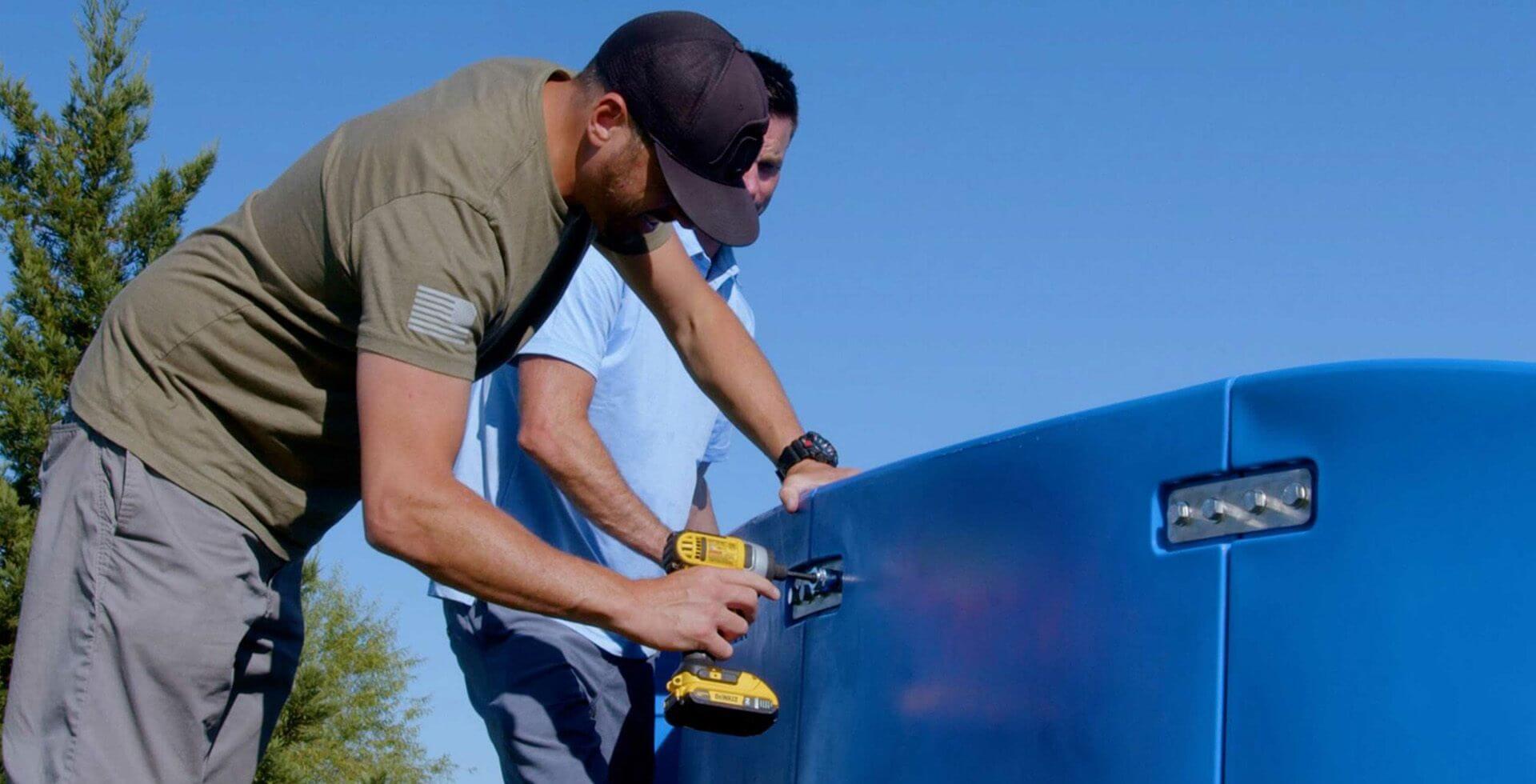
Ownership gives operators more control over opening days, lessons, events, and seasonal programming. A modular pump track system can also be moved and reshaped, so the same mobile pump track may support more than one site.
Rent vs Buy: Compare the Full Pump Track Cost
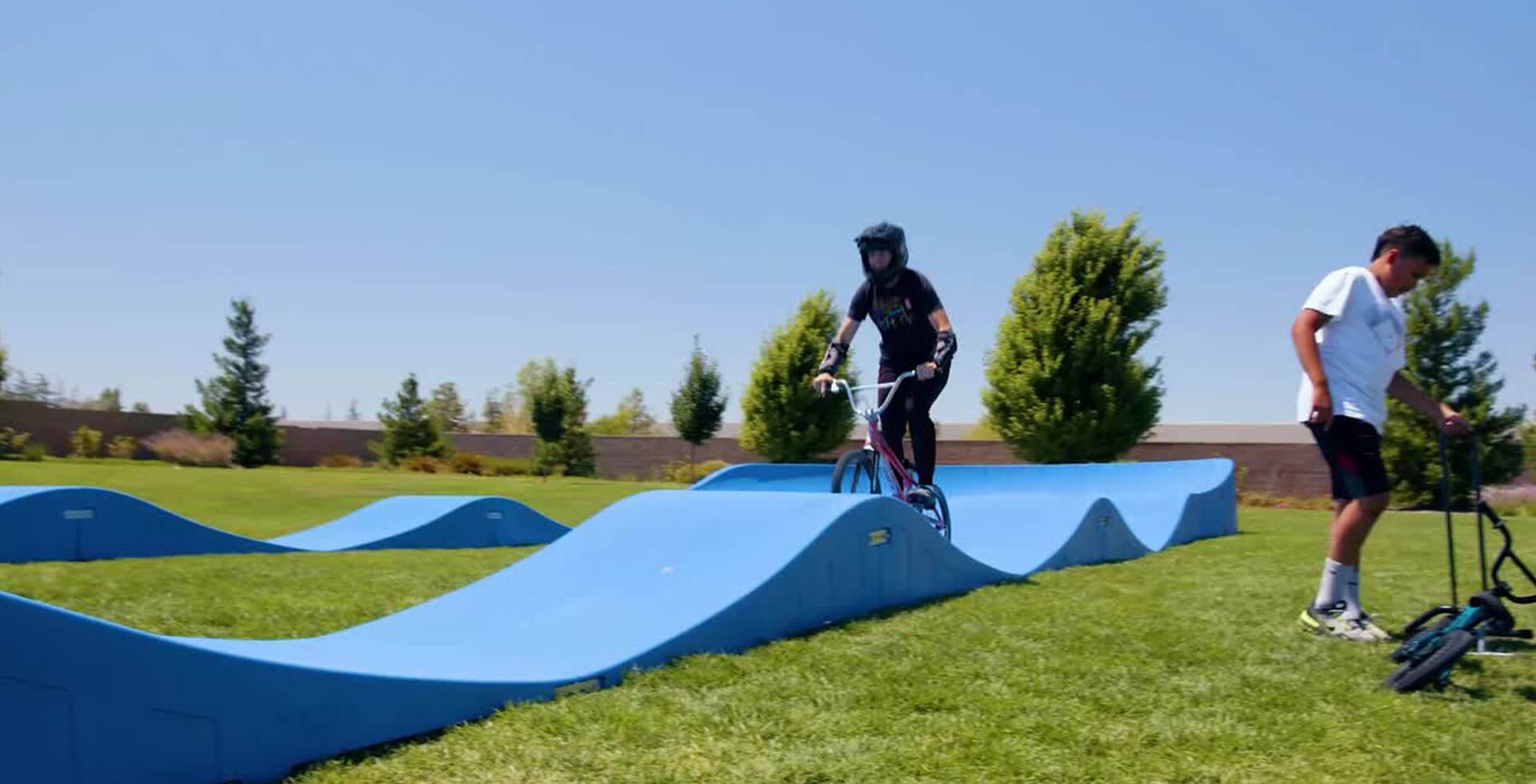
The headline pump track price is only one part of the decision. A useful comparison looks at total operating cost across the period the track will actually be used.
| Decision Factor | Rent a Modular Pump Track | Buy a Modular Pump Track |
| Upfront commitment | Lower | Higher |
| Best time frame | Short-term or seasonal | Repeated or long-term |
| Ownership | No | Yes |
| Storage | Usually not required | Required when off-site |
| Layout control | Depends on rental stock | High |
| Expansion | Limited by rental offer | Modules can be added |
| Long-term ROI | Limited | Stronger with high use |
A pump track investment review should include freight, labor, site preparation, storage, safety equipment, inspections, insurance, and staffing. For rental, compare the full delivered cost, not just the daily rate. For purchase, spread ownership costs across realistic years of use.
Which Choice Gives Better Pump Track ROI?
Pump track ROI is driven mainly by utilization. Equipment sitting in storage creates weak returns. A purchased track serving a busy park every week has a different business case from one used twice a year.
For an event organizer, rental may deliver the better return because the cost is tied to one event. For a resort or recreation venue, purchase can be more attractive because one asset supports repeated guest use, lessons, and events.
Compare cumulative rental cost over the planned period with total ownership cost over the same period. Then add the value of extra operating days, multiple locations, or new paid programs that ownership could make possible.
Which Modular Pump Track Layout Suits the Investment?
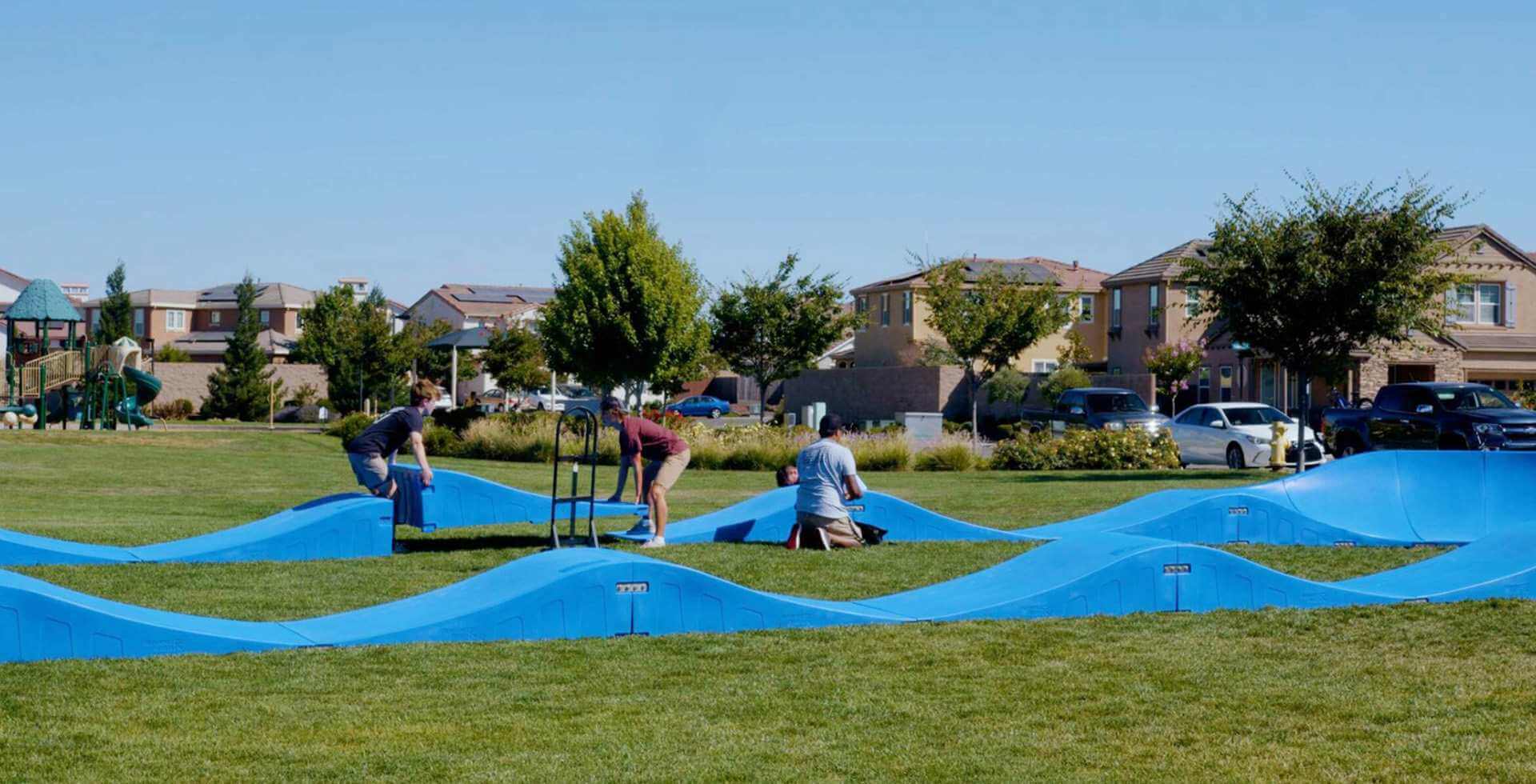
Track size changes both budget and operating model. The best modular pump track for parks is not automatically the largest; a school or narrow venue may need a small modular pump track for limited space. ULTRAPUMPTRACK lists compact and larger modular layouts.
Pump Cycle 1 for Small Spaces
Pump Cycle 1 is a straight three-roller Micro Track measuring 12.5 m by 1.2 m. It uses eight modules and has a listed net weight of 386 kg, making it a practical modular pump track for schools, beginner practice, and narrow sites.
Velocity Loop 1 for a Full Loop
Velocity Loop 1 combines six rollers and two turns in a 38.9 m track. Its listed layout area is 17 m by 8.5 m, using 38 modules. It gives buyers a complete loop while staying aimed at space-limited sites.
Speed Dome for More Variety
Speed Dome has a 44.5 m track length, three turns, two riding directions, and a tabletop feature within a 19.5 m by 7.5 m layout. It suits venues wanting more riding variety without moving into the largest footprints.
Viper for a Larger Activity Zone
Viper extends the experience to a 61 m track with nine rollers and five turns in both directions. Its footprint is 18 m by 13 m, fitting venues where the pump track is intended as a main activity rather than a small add-on.
Questions to Ask Before Signing a Rental or Purchase
A buyer should settle the operating plan before comparing quotes. The most useful questions are practical:
- How many days per year will the track be open?
- Is the project temporary, seasonal, or multi-year?
- Who handles delivery, assembly, daily checks, and storage?
- What usable footprint remains after allowing room for entry, exit, queues, and circulation?
- Are riders mainly beginners, or will skilled BMX and scooter riders use it?
- Could the layout move to another school, park, resort, or event later?
- Is future expansion likely?
These answers narrow the choice quickly. Renting protects flexibility when plans are uncertain. Buying rewards frequent use and gives the owner more freedom to adapt the asset.
About ULTRAPUMPTRACK
ULTRAPUMPTRACK is a modular pump track supplier focused on a plastic modular pump track range and outdoor recreation equipment for wheeled sports. Its background includes dirt and asphalt pump track construction before moving into modular development. The current service range includes 18 base configurations, while custom pump track planning can add or remove modules according to space and budget. That gives buyers a practical route from a base layout to professional pump track design. The company identifies LLDPE with anti-UV and anti-aging additives as its track material.
The range covers compact practice tracks, full loops, and larger layouts. Published examples include RV parks, sports parks, rental and promotional use, and public installations.
Conclusion
Renting and buying solve different problems. If the question is “Should I buy or rent a pump track?”, start with expected operating days. Rent a modular pump track when the need is short, demand is still being tested, or storage and logistics make ownership inefficient. Buy a modular pump track when the facility will operate regularly, the site is stable, or the equipment can create value across several seasons or locations.
Before requesting a quote, define the footprint, rider group, annual operating days, transport plan, and future expansion needs. Those details make pump track cost comparisons more useful.
FAQs
Is renting a pump track worth it?
For a short event or limited program, it can be. The upfront commitment is smaller, and storage is usually avoided. For repeated use, cumulative rental, freight, and setup charges can change the equation.
How much does a modular pump track cost?
Modular pump track cost varies with layout size, module count, customization, freight, site conditions, installation needs, and related equipment. A useful quote should separate the track price from logistics and operating costs.
How long does a modular pump track last?
ULTRAPUMPTRACK states a typical service life of 8 to 10 years depending on usage conditions, with a five-year warranty noted for its modular system. Actual service life still depends on installation, traffic, inspection, care, and site conditions.
Are portable pump tracks profitable?
They can be when utilization is high enough to cover ownership, transport, staffing, storage, insurance, and maintenance. A portable pump track used across several events or venues has a different cost profile from one used only occasionally.
Can a portable pump track be expanded later?
A modular system can be adjusted by adding or removing compatible sections, subject to layout design and site space. ULTRAPUMPTRACK offers customization around available area and budget.


