

Mastering Pump Track Roller Skating
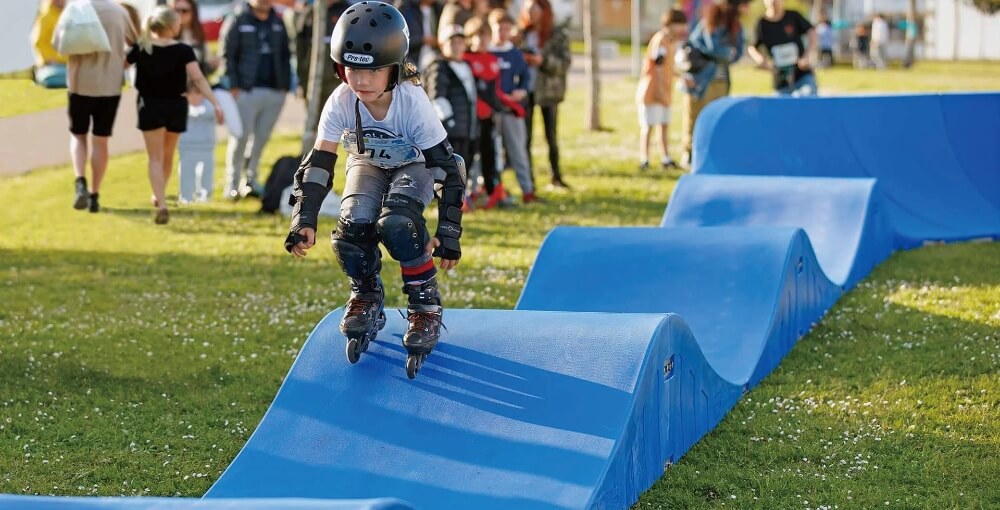
Pump track roller skating has grown into a fun activity. It builds balance well. It improves coordination. It also helps with board control in wheeled sports. A smooth skating surface is different. A pump track uses textured asphalt. This asphalt does not slip easily. It lets riders create momentum. They do this with body movements. They skip pushing off the ground. The track includes continuous rollers. It has banked turns. Rhythm sections are part of it too. These elements make the pump track perfect. It suits beginners. It works for experienced skaters. They practice balance. They gain better speed control.
People learn for roller skating training tips often now. They want practical guides. The guides stress skill building. They avoid just listing gear. This blog meets that demand. It provides a step by step guide. The guide explains how to boost pump track roller skating skills. It covers balance as well. It includes real training examples. Tips come from professional practice.
What Is Pump Track Roller Skating?
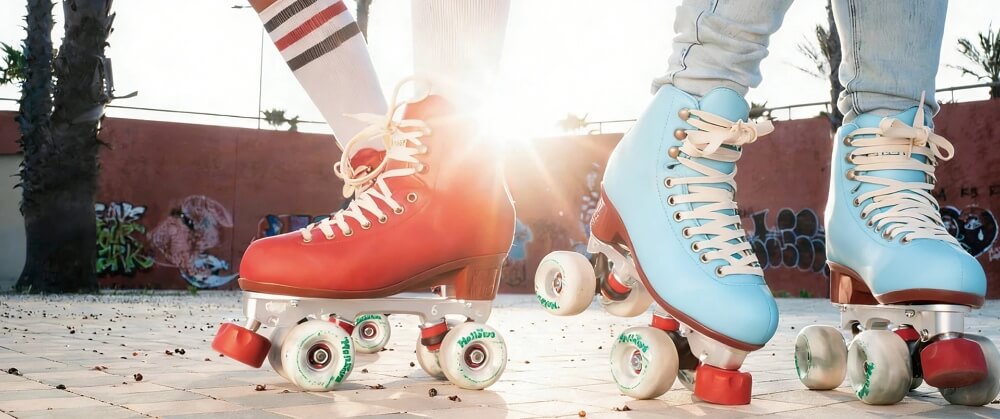
First, it is helpful to know the basics of this sport.
A pump track is a closed loop track. It features rollers and banked corners. The design allows riders to gain speed. They use pumping motions. No ground pushes are needed. For pump track roller skating, the asphalt surface is textured. It has an anti-slip finish. This gives the wheels reliable grip. The grip holds up in various conditions.
This is unlike flat practice areas. It differs from smooth pavement too. The ups and downs teach skaters to shift body weight. They learn good timing. Forceful pushes are not required. The outcome is smoother speed. Balance gets stronger. Coordination becomes better.
Beginners sometimes miss how useful the anti-slip surface is. It does not slow the track. It offers good traction. Skaters feel every roller clearly. They adjust to each rhythm section. Unexpected slides are rare.
Section 1: Core Skills for Pump Track Roller Skating
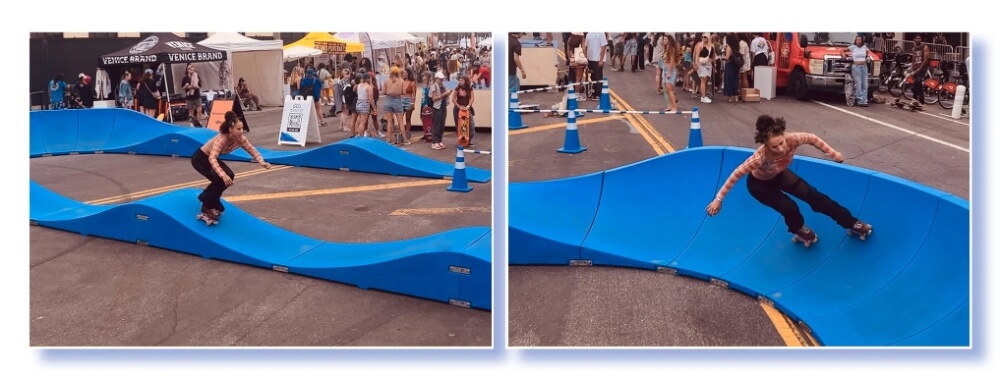
With the basics clear, focus on the main skills next. These form the foundation for good performance.
Building a solid base on a pump track means working on important skills. Better balance and control in these areas let skaters handle sections with ease. Safety improves too.
Balance and Center of Gravity
Pump track skating requires changing balance all the time. Flat surfaces allow steady balance. But pump track shapes need small adjustments often. Skaters stay upright this way. They stay efficient.
Skaters practice smooth weight shifts. They move forward and back. They line up their center of gravity to match each roller shape. This applies to banked turns. Start training on flat ground. Then move to gentle slopes. This develops the right sense.
Leg Drive and Pumping Motion
The pumping motion is a key technique for pump tracks. It involves pressing down into low spots. Then stretching up on high spots. No pushes from the ground.
Leg strength is not the only thing. Good coordination of legs, hips, and upper body is crucial. It decides the momentum level. In early sessions, flow through rollers with little push. Watch how weight changes affect speed.
Turn Entry and Exit Control
Banked corners may seem tough. Speed when approaching counts. Entry angle matters. Weight placement on wheels affects the exit.
Mistakes happen when speed is too high on entry. Leaning back too much is common. This lowers grip on the anti-slip surface. Practice controlled entries many times. Vary the speeds. Confidence grows with repetition.
Section 2: A Structured Pump Track Roller Skating Progression Plan
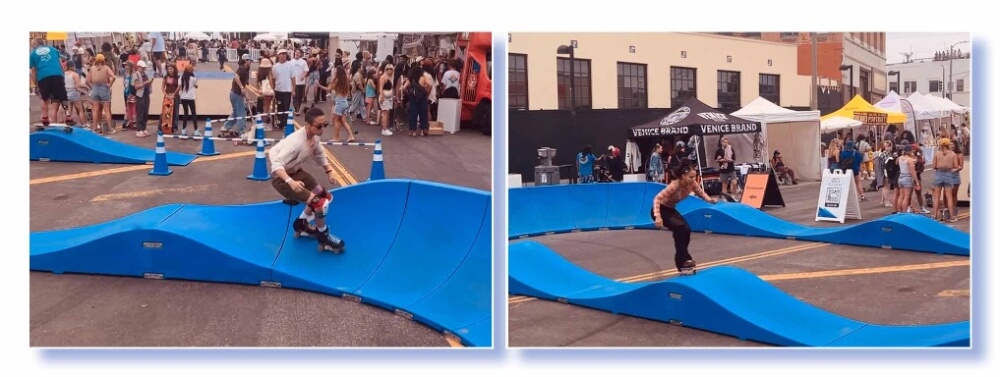
Core skills are ready. A clear plan can help track progress over time.
A good progression plan lets skaters see clear gains. Look at the table below. It gives an example for four weeks of training.
Training Progression Plan
| Week | Focus | Key Drills | Expected Outcome |
|---|---|---|---|
| 1 | Balance foundation | Static balance holds, gentle pump drills | Steadier stance and controlled motion |
| 2 | Pumping mechanics | Progressive roller runs, rhythm focus | Improved glide through rollers |
| 3 | Corner technique | Banked turn repetition, speed control | Cleaner entries and exits |
| 4 | Rhythm and flow | Continuous lap drills, tempo changes | Consistent momentum and balance |
Begin with basic balance exercises. This creates confidence. Then tackle harder track parts. Drills for rhythm are useful. They teach how to read the ground ahead. Smoother rides come after one month.
Section 3: Real-World Scenarios for Skill Application
Isolated practice is not enough. Apply the skills in actual situations. This strengthens learning. Improvement happens faster.
Scenario: Approaching a Series of Rollers
Think about entering a rhythm area. It has three rollers close together. Anticipate each one early. Do not react when wheels hit. Better skaters see the shape from afar. They start weight shifts soon. Energy flows without stops. Braking is less needed.
Scenario: Maintaining Speed Through Turns
Speed can fall in banked corners. Some skaters stiffen to stay balanced. Good skaters stay relaxed at the hips. They trust the anti-slip surface. Knees bend a bit. They lean with the curve. Force from turning balances the grip. No fighting against it.
Scenario: Adapting to Changing Track Conditions
Outside pump tracks change often. Weather affects them. Heavy use does too. Grip varies with heat or cold. Wear plays a role. Notice small friction changes. Decide when to go easy. Or push weight ahead. Coaches advise skating at various hours. This builds flexible skills.
Section 4: Safety and Injury Prevention in Pump Track Roller Skating
Good skills need safe habits. This ensures long term success without problems.
Safety rules get ignored sometimes. They are vital for ongoing skill growth.
Protective Gear
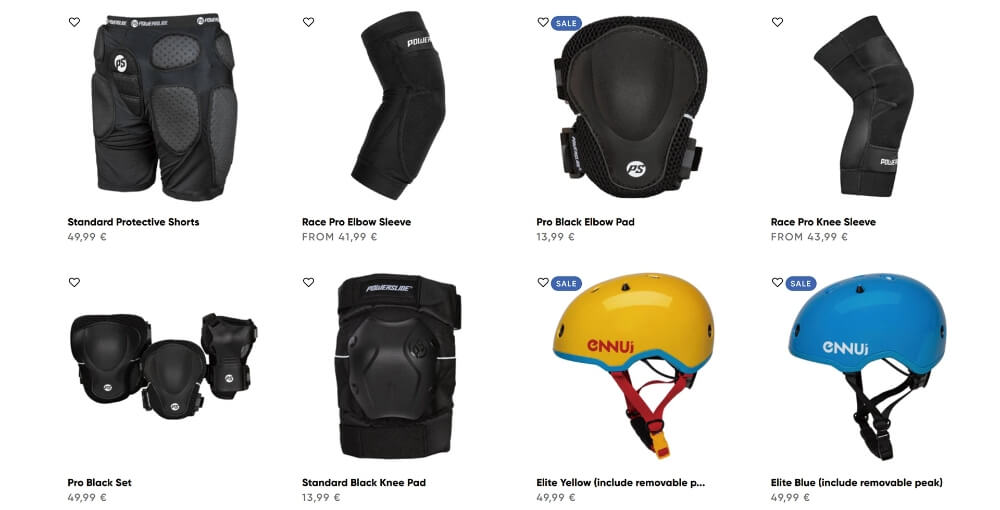
Wear a helmet always. Add knee pads. Wrist guards protect hands. Padded shorts cushion falls. Pump track falls come fast. Gear cuts down on hurt.
Warm-Up and Cool-Down
Stretch in a moving way before starting. This readies joints. Muscles get prepared. Pay attention to ankles and hips. After the session, stretch still. It helps recovery. Flexibility stays high.
Listening to the Body
Too much training causes fatigue. Balance suffers then. Injury risk rises. Include rest days in your plan. Skills improve steadily. Burnout stays away.
About ULTRAPUMPTRACK: A Partner in Pump Track Development
With safety in mind, good facilities make a big difference. ULTRAPUMPTRACK can help here.
ULTRAPUMPTRACK is a worldwide pump track supplier. They focus on design and construction. They create high quality anti-slip surfaces. These suit communities. Skate parks use them. Training spots do too. Their tracks fit all ages. All skill levels benefit. The environment challenges balance safely. Skill growth is encouraged.
They have much experience in custom solutions. Communities get durable tracks. Maintenance is low. Outdoor fun increases. Skills develop in skating and biking. Other rolling sports too. Quality focus and happy riders make them reliable. Facilities expand activities. They draw varied crowds.
Conclusion
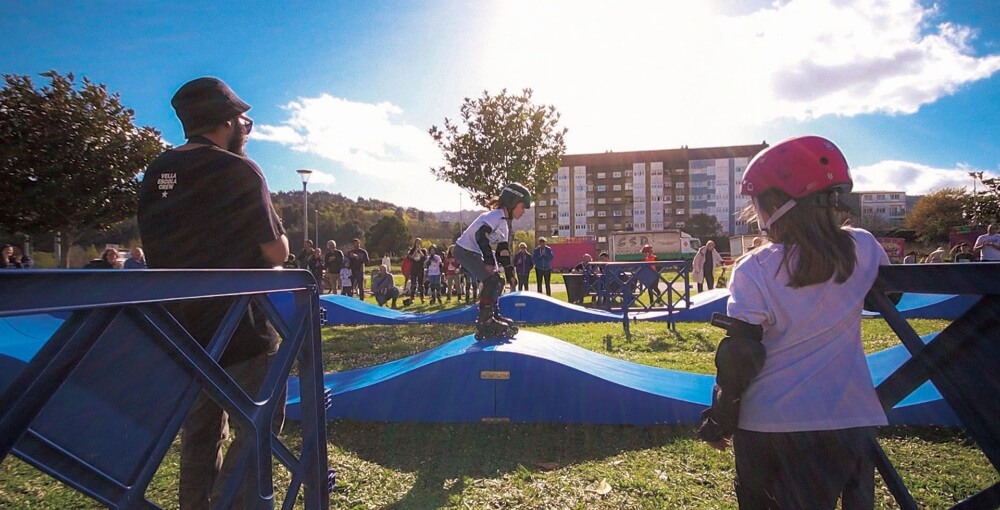
Pump track roller skating training goes beyond simple rides. It builds careful balance. Control becomes exact. Motion turns fluid. Work on weight placement. Master pumping. Control turns well. New performance levels open up.
Use a progression plan. Practice in real settings. Stick to safety. Improvement is steady. Train for better fitness. Prepare for events. Or enjoy the ride. Pump track techniques grow your skills. They boost confidence.
Communities can support the sport. Partner with experts like ULTRAPUMPTRACK. This builds inclusive areas. They last long. Training becomes accessible for everyone.
Frequently Asked Questions (FAQs)
Here are answers to some common questions. They help clear doubts about starting out.
What is the best way to begin pump track roller skating balance training?
Begin with simple holds for balance. Add slow runs on easy rollers. A firm stance first makes next steps easier.
How does the anti‑slip surface of a pump track affect roller skating techniques?
The rough surface gives steady hold. You push into rollers without worry. Turns feel secure. No sudden slips. Control and rhythm get better.
Can beginners learn pump track roller skating without prior skating experience?
Yes it is possible. Drills teach balance step by step. Pumping comes next. Progress is steady. Less frustration overall.
How often should roller skaters practice on a pump track to see noticeable improvement?
Two or three times a week works well. Keep drills focused. Changes show in four to six weeks.
Are there specific fitness benefits linked to pump track roller skating training?
It strengthens the core. Power in legs grows. Heart and lungs get fitter. Body awareness improves. Athletic balance and quick moves benefit overall.


