

How Long Does It Take to Install a Modular Pump Track? Timeline, Site Prep and Planning
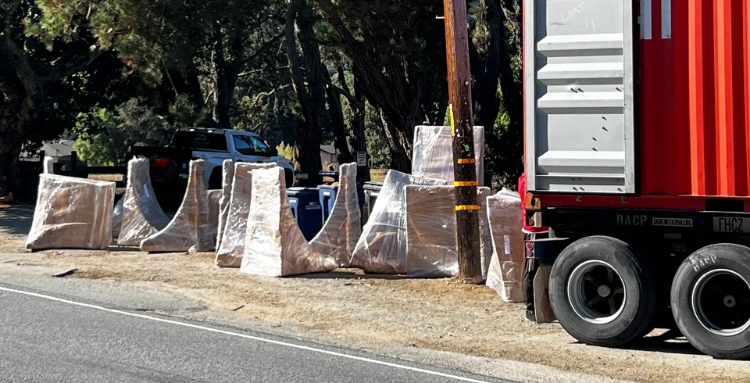
How long does it take to install a modular pump track? Assembly can take hours to two days, depending on the layout and crew size. The complete project takes longer because production, sea freight, site preparation, customs and final delivery all need time.
This guide breaks down each stage and the freight ranges by destination. It also covers the site checks buyers can complete before delivery. Confirm current dates with your supplier and freight forwarder when setting an opening date.
Chenxing’s track development began with a downhill club in 2012, followed by dirt and asphalt tracks from 2014. Plastic modules were introduced in 2015. ULTRA PUMP TRACK is its third generation. The system includes six basic modules and 18 base layouts, and the set can be shipped, moved and re-laid without a foundation crew.
The Four Stages That Set the Calendar
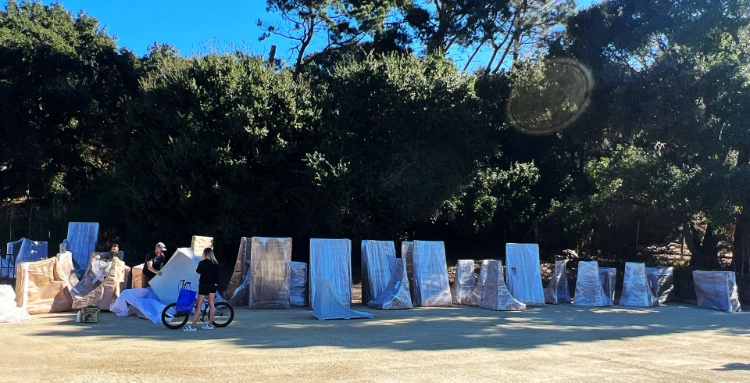
Factory Production: 7 to 10 Days After Deposit
Nothing starts until the money lands. Standard terms are 50% with the order and 50% before shipping. The clock runs from payment. Not from the day you approve a drawing.
Two things hold production. A colour picked late. A layout changed after moulding starts. Standard blue ships without a premium. Custom colours are quoted separately and add time. Decide with the order.
Sea Freight: The Longest Fixed Block
Nobody compresses an ocean. A container takes 45 to 55 days port to port to the US east coast. Europe sits at 55 to 60. Australia at 20 to 25. Holidays and port congestion move those numbers, not your emails.
Two delivery options. Port to nearest port, cheaper, and you collect. Door to door. Dearer, but the last mile becomes somebody else’s problem. Choose before you sign. A container parked at a port bills you by the day. Sea freight is priced by volume, and a full track fills one container.
Assembly: The Part Everyone Overestimates
Connections are mechanical. The tool kit is basic. Sequence matters more than strength. Mark the outline on the ground first. Start joining before the outline is set and you will rebuild a section. Two people handle a core layout.
What “Ready to Install” Actually Means
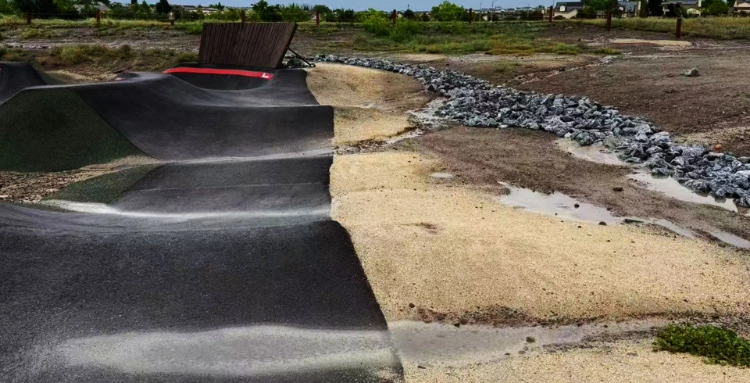
Read the installation guide when the deposit goes out. Not when the container arrives.
Flat, Compact and Free-Draining
Modules join above the surface. The footprint has to be flat. Dirt and asphalt follow a slope. A modular system cannot. Two degrees of fall means grading first. Check the level with a straight edge, not by eye. Compacted aggregate works. Concrete works. Firm grass works. Soft turf over clay does not.
Access for a Truck and a Pallet
A full track ships flat. Modules move by hand or on a pallet truck. Check gate width. Check the turning circle. Measure the walk from the drop point to the footprint. Photograph the route for your forwarder. A hundred metres of gravel? Two-hour build becomes a two-day carry.
Drainage and Standing Water
Water under the modules is the expensive failure. Set the finished level so runoff leaves the footprint. Then watch where it goes. Check in winter, not in July. A track in a hollow collects water every spring. Fix the level before the modules arrive. Base selection is design work, not landscaping.
Where Projects Slip, and What It Costs
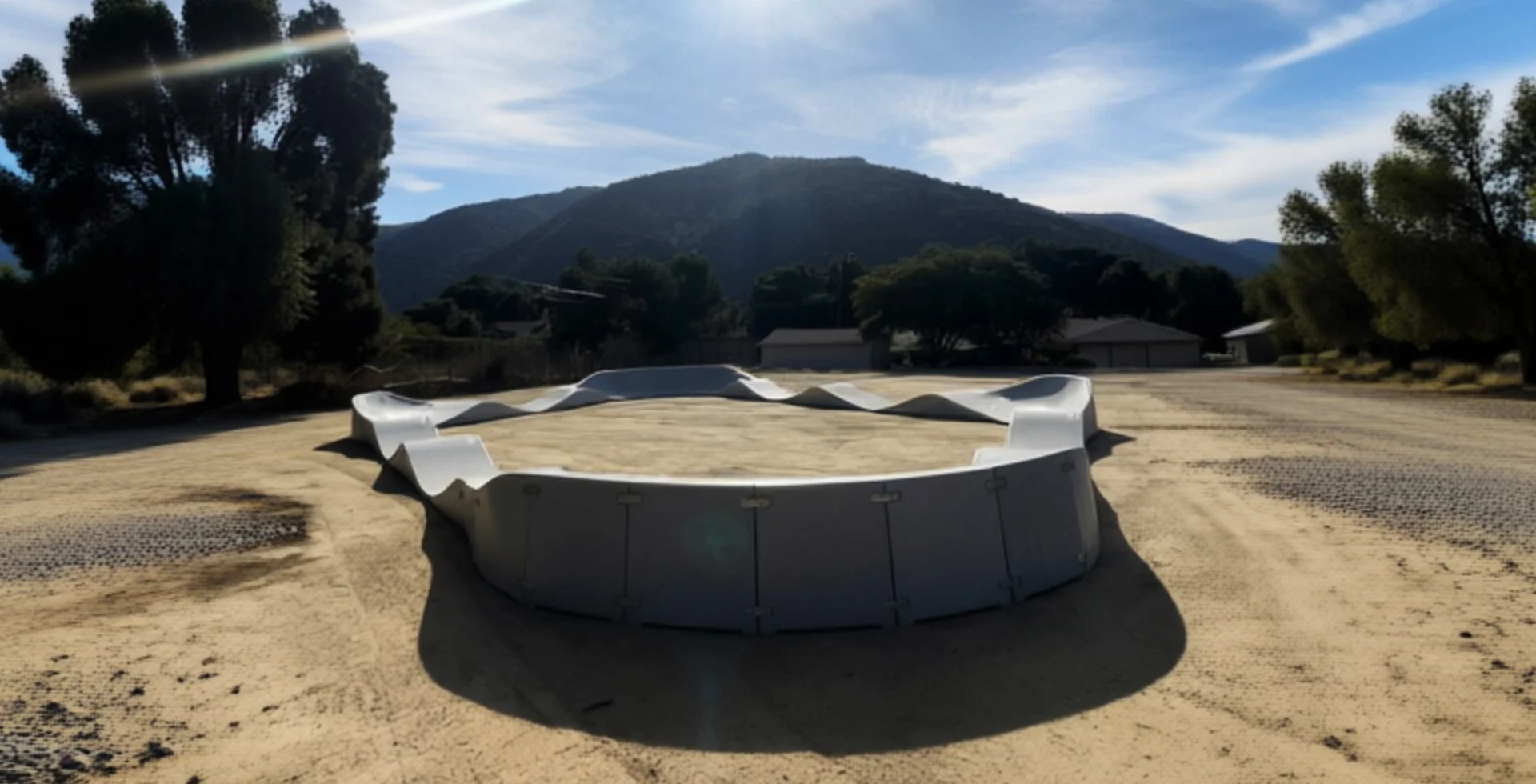
The Base Is Not Finished When the Container Lands
The common delay, and the easiest to avoid. Groundworks look small until a paid-for container is waiting. Run the base work beside production and freight. Finish it a week before the ship date. That is not a supplier problem. It is a sequencing problem.
Nobody Agreed Who Assembles It
A council crew. A landscape contractor. A volunteer group. All three have built these tracks. What breaks is the handover. Who receives the modules. Who signs for them. Who brings tools on the day. Name that person in the purchase order. One name, one phone number.
Customs, Last Mile and Site Access
Duty, port fees, delivery windows. Days disappear here. None of them show up in a quoted lead time. Ask your forwarder for a door date. Not a port date. A week of slippage is normal. Two weeks is worth chasing.
| Stage | Duration | Who owns it | Usual risk |
| Deposit to production start | 1–3 days | Buyer | Payment delay |
| Production | 7–10 days | Factory | Late colour or layout change |
| Sea freight | 20–60 days by destination | Forwarder | Port congestion, holidays |
| Port to site | 2–7 days | Buyer or forwarder | Customs, access, appointment |
| Base preparation | 3–10 days | Buyer | Weather, drainage design |
| Assembly | Hours to 2 days | Buyer or crew | Missing tools, unmarked layout |
A Schedule You Can Put in a Funding Bid
A committee wants a delivery date. A supplier’s lead time is not a delivery date. Work backwards.
Pick the opening day. Take off a week for snagging. Take off a week for base sign-off. Take off assembly. Take off freight. Top of the range for your destination. Take off production. What remains is the day your deposit has to clear.
The same arithmetic sells a phased build. A core layout opens the site. Phase two adds modules when the budget allows. Riders arrive a year before a concrete build would have finished. On many sites a modular track skips the planning application entirely. Weeks to months, gone. Often, not always. Get that answer in writing from your local authority. Committees remember a late opening. They forget the reason.
Building a schedule? Send the site location and the layout you are weighing through the contact page. You will get dates for a committee. Layouts and footprints sit on the pump track page.
FAQ
How Many People Are Needed to Assemble a Modular Pump Track?
Two people can handle the modules. A third helps on larger layouts. Mostly to position sections before joining. No crane. No plant hire. Plan for a day, not a week.
Can the Track Be Installed on Grass?
Yes, if the grass sits on firm, level, free-draining ground. Soft or uneven turf needs a compacted base first. Have the site engineer check it before delivery.
Does a Modular Pump Track Need Planning Permission?
Usually not. It is not a permanent structure and it can be relocated. Rules differ by country and by site. Get the answer in writing before you order.

