

Modular Pump Track Maintenance: A Complete Checklist and Cost Guide
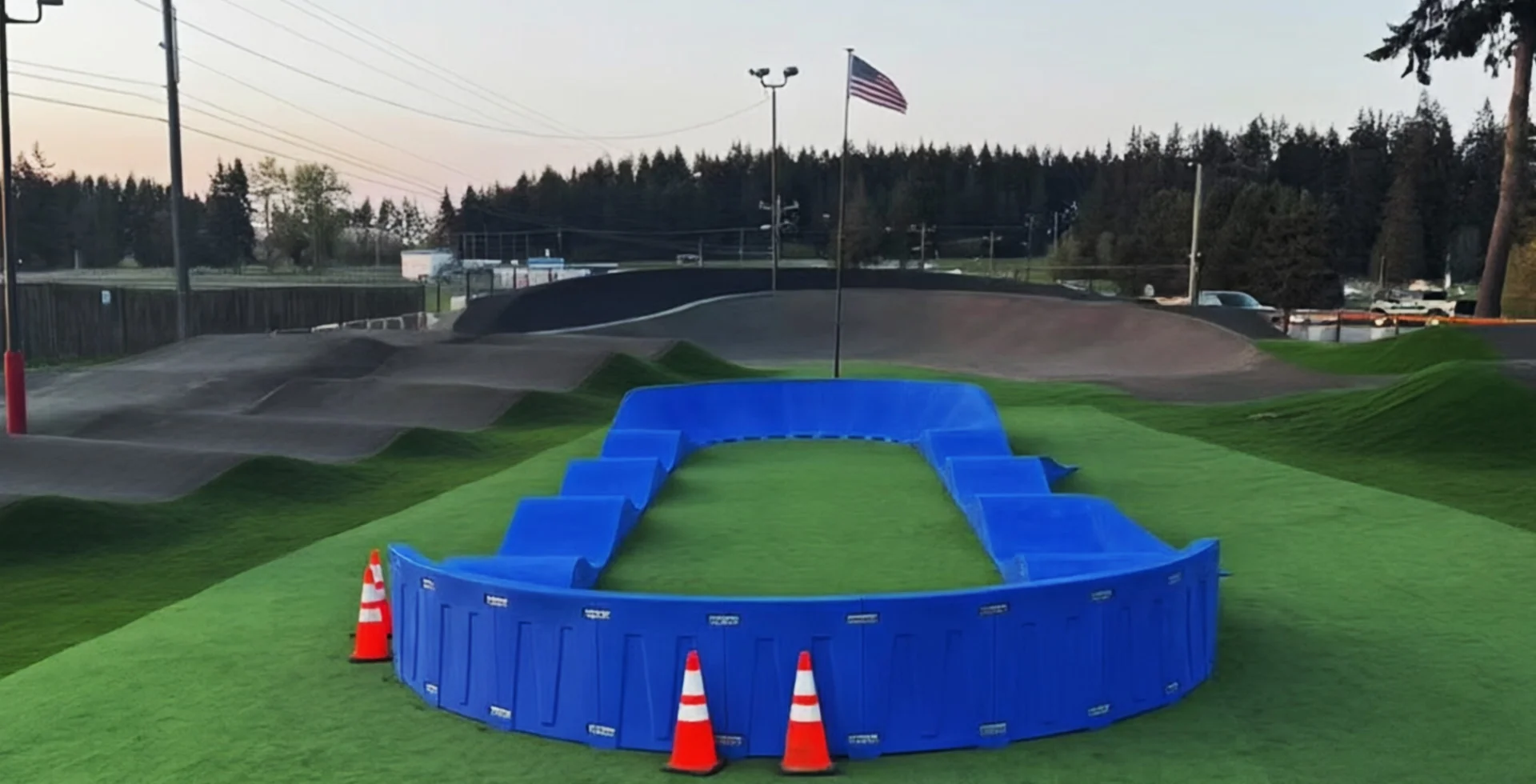
Labour, not parts, is where pump track upkeep money actually goes. Plastic modular tracks skip the big-ticket items entirely — no resurfacing programme, no crack-sealing crew, nothing. Base level, fasteners tight, surface clean. And a warranty file that somebody actually opens once in a while — that’s the whole job.
Nail those four and the yearly bill stays small. Miss one and it bites back within the season. That’s all the theory there is; the rest comes down to dates and routine.
The industry has already run that comparison. Dirt came first. Then asphalt, poured and sealed. The plastic route arrived in 2015, when the first-generation modular plastic system was launched. The third generation — ULTRA PUMP TRACK — entered production in 2022. Durability starts at the mould. The resin is LLDPE — chosen for outdoor work — and UV stabiliser plus anti-ageing additive sit right in the compound. In practice that means 8 to 10 years before replacement enters the conversation. The warranty behind it runs five years, though it’s limited to quality defects.
What a Modular Pump Track Actually Asks of Its Owner

One Walk-Around a Week, Ten Minutes Long
See the line the way a rider sees it. Joints come first: an open joint clicks under a front wheel, and the invoice follows a few weeks later. Then scan the surface — sand, gravel, leaves, oil. Every one of them cuts grip on a wet morning.
Bring a broom. That is the tool kit. No contractor needed. Your own staff can do this in daylight.
The Monthly Checks After Bad Weather
The first real storm of the season is the cue to head outside. Water pooling under a module? Soil washed out along an edge? Both need a look. Base pads deserve one too — soft ground swallows them in a single wet season.
The perimeter matters just as much. A leaning fence post, glass by the entry, a branch across the exit line — the track itself can be fine while the site around it isn’t.
What the Warranty File Has to Contain
Cover runs five years, and quality defects are all it covers. What’s out? Normal wear, minor chips, hairline cracks, that white powdering called efflorescence. Coastal sites inside 500 yards (457 m) of salt water get two and a half years instead — the salt air there is treated as normal exposure. And the warranty doesn’t transfer if the site changes hands.
Filing a claim takes proof of purchase; photos or video of the fault make it stronger. Purchase date, delivery note, dated photo log — one folder, all three. Ten minutes a season decides whether the claim gets paid or argued.
What Maintenance Costs Are Made Of
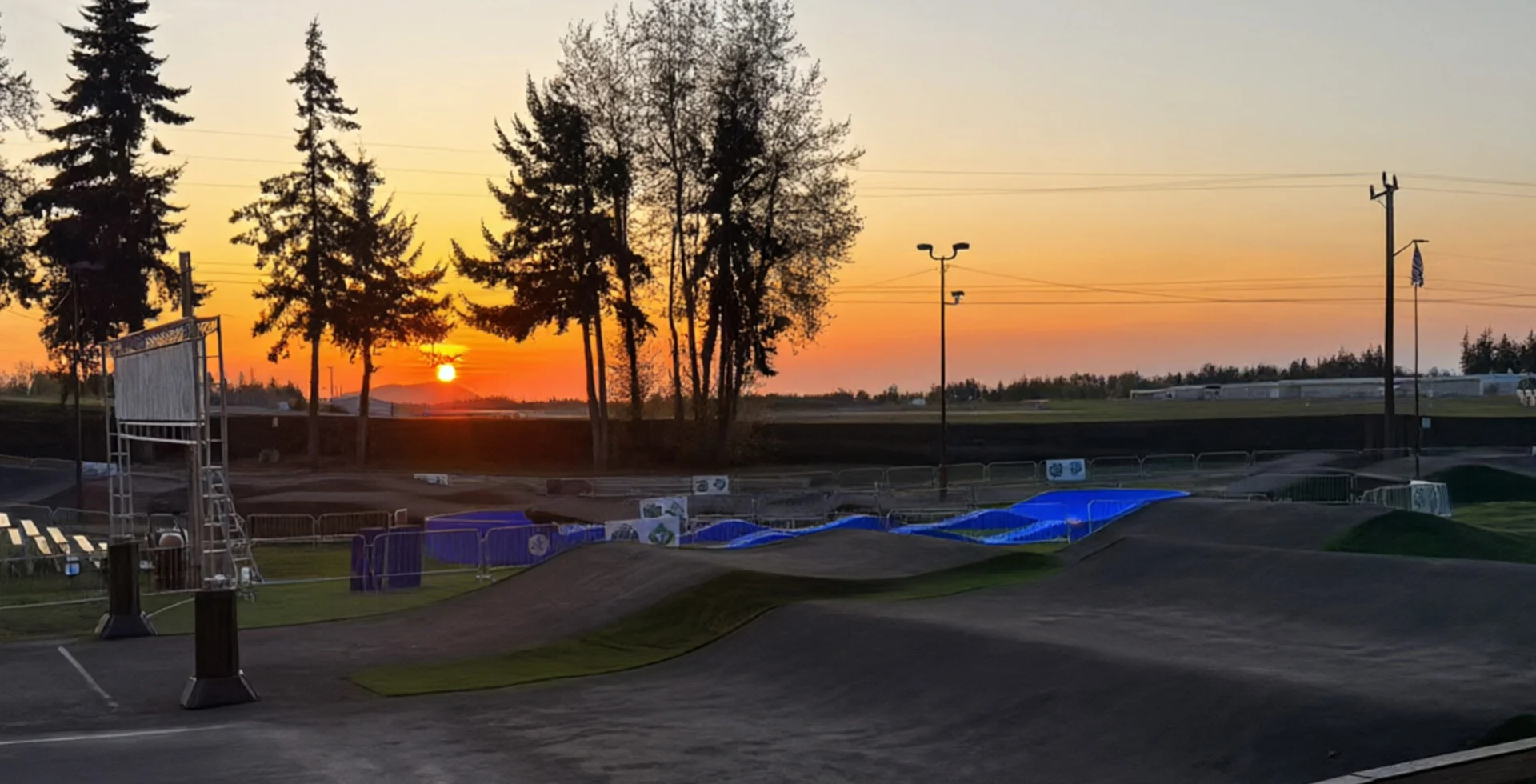
Labour Hours, Not Spare Parts
Ask an operator where the budget goes. The answer is time. Someone to walk the line. Someone to sweep it. Someone to write it down. Parts stay cheap. A dead module is replaced alone. The rest of the track never moves.
Dutch builders publish annual budgets for a 500–800 m² asphalt track. Low thousands of euros. Most of that is inspection and surface repair. On a plastic system the inspection work is the same. The surface repair line mostly vanishes.
The Line Items a Plastic Track Removes
Ten years of that and the original quote stops looking anything like cheap.
When a Two-Minute Fix Becomes Half a Day
One loose fastener. Two minutes to fix. Ignore it for a season and the joint opens. Grit gets in. Grit grinds the base and the module edge. That’s two repairs now, plus half a day lost.
Every surface tells the same story. Skip the weekly walk and no warranty clause will save you.
| Track type | What routine work involves | What a typical repair looks like | Equipment | Closure length |
| Dirt | Watering and compacting, then re-shaping once rain has been through | Rebuild of rollers and berms | Water plus hand tools | Days |
| Asphalt or concrete | Routine inspection, then crack sealing and patching as needed | Surface patch, edge repair | Contractor crew | A few days, sometimes weeks |
| Timber modules | Panel checks and re-sealing, with inspection thrown in | Panel or frame replacement | Hand tools | Hours |
| LLDPE modular | Sweeping, fastener checks and routine inspection | Single module replacement | Hand tools | Under an hour |
Failure Modes That Show Up on Site
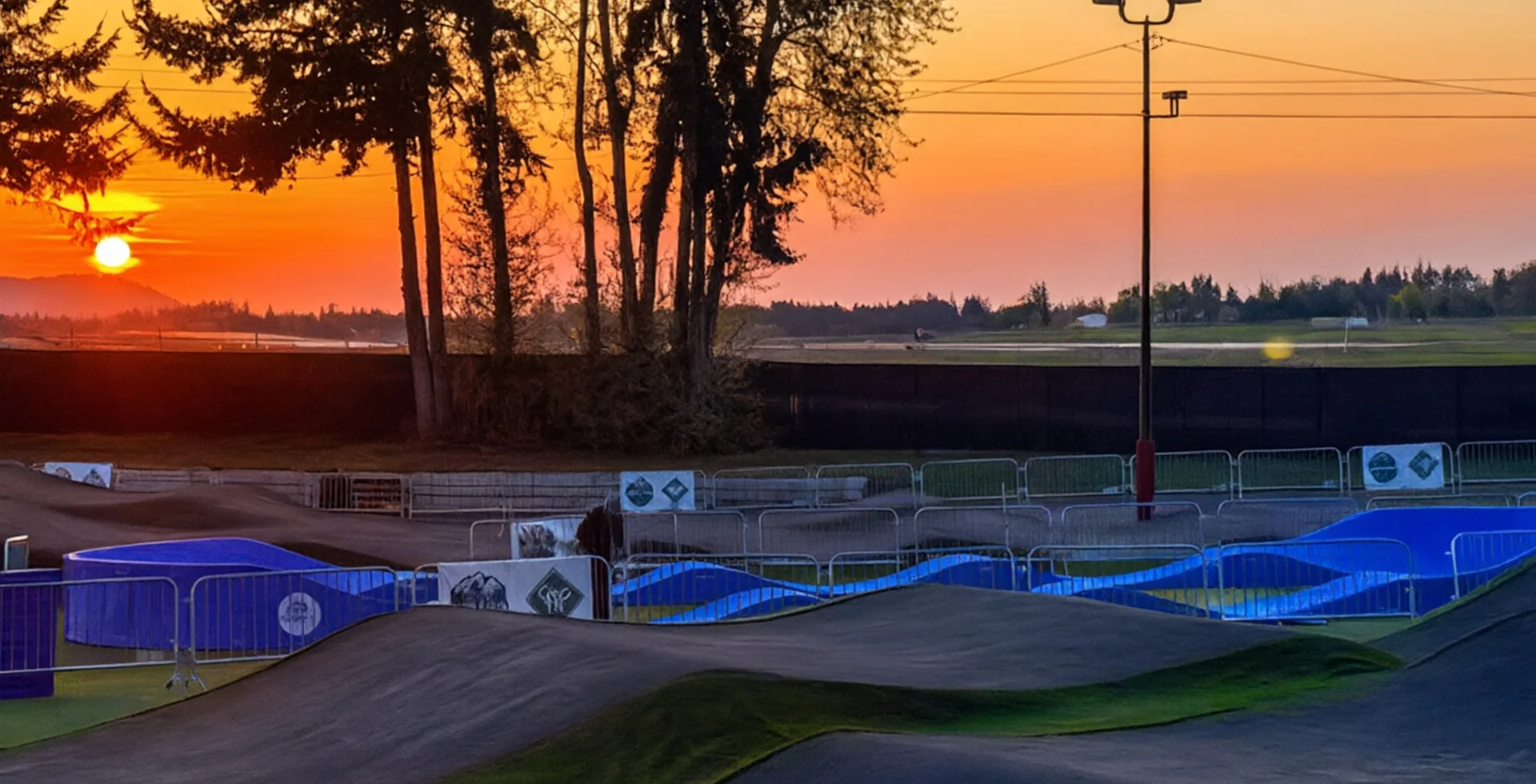
Standing Water Under the Modules
Water is patient. Leave a module in a shallow puddle all winter and the damage shows — base plate first, edge second. A new module changes nothing there. It’s the ground that needs work: regrade the spot, put in drainage, or lift the line onto compacted, free-draining base.
Nine times out of ten the culprit is grass. Free ground cover, yes — until it starts acting like a sponge. Getting the base right done up front costs far less; correcting it two winters later doesn’t.
Grit and Debris on the Riding Surface
Where does grip come from? Texture. Grit fills that texture in, quietly. So sweep. After the broom, a soft brush and a non-abrasive cleaner finish the job. Two things to avoid, though. Solvents on the surface. Pressure washers near the joints.
Loose Connections, Settling Bases
Start every season with a connection check. Repeat it after anything that shifted the track — a relocation, a big event, whatever. Rocking means lost support underneath, and each wobble wears the joint a bit further. Sort the base out before anyone rides that joint again.
A Maintenance Schedule the Site Manager Can Actually Use

| Frequency | Task | Who | Record |
| Daily | Visual check, remove litter and glass | Duty staff | Logbook entry |
| Weekly | Sweep surface, walk joints, check entry and exit | Maintenance | Signed sheet |
| Monthly | Fastener and connection check, drainage inspection, perimeter walk | Maintenance | Dated photos |
| Seasonal | Deep clean, base level check, full photo record | Site manager | Warranty file |
| After events | Re-check connections and alignment if the track was moved | Assembly crew | Handover note |
Of all the dates in that table, two stand out. Clear the drainage in late autumn, and photograph every joint while you’re at it. Come spring, the frost damage is visible — that’s when you see what shifted.
Put both in the operating plan before the track arrives. Easy to keep. Easy to forget. A printout of the table on the maintenance shed wall does that job.
Test every supplier on this. What does the warranty expect you to record? How does a claim actually get filed? No written answer to either? It tells you plenty about the next five years.
Costing a site? Send the layout and the daily use you expect through the contact page. You get the inspection points that matter there.
FAQ
Is an Annual Inspection Necessary for a Modular Pump Track?
Put the record with the purchase documents, in the same file.
How Many Years Do the Modules Last?
8 to 10 years typical. Heavy use, coastal salt and a soft base shorten that. Single modules come out without dismantling the track. That is the point of the system.
What About Moving the Track Rather Than Maintaining It in Place?
Most of the time, yes. A portable set travels well between venues, and the connections get checked at every move. Moving isn’t maintenance, though — a travelling track needs a joint check every time it lands.

