

Analyzing Pump Track Size and Layout Parameters in Professional Applications

Planning a pump track calls for careful space management. Here, shapes, timing, and rider movement come together to build a safe and exciting ride. The links between rollers, berms, and shifts control how well riders keep up speed without pedaling. This works for a small backyard build or a top-level race setup. The proper design and pump track size matter a lot. They help strike a good balance among usefulness, safety, and the space you have.
Understanding Pump Track Design Principles
To move from foundational concepts to real-world application, it’s essential to see how these core design elements adapt to spatial constraints and user needs.
Core Elements of Pump Track Design
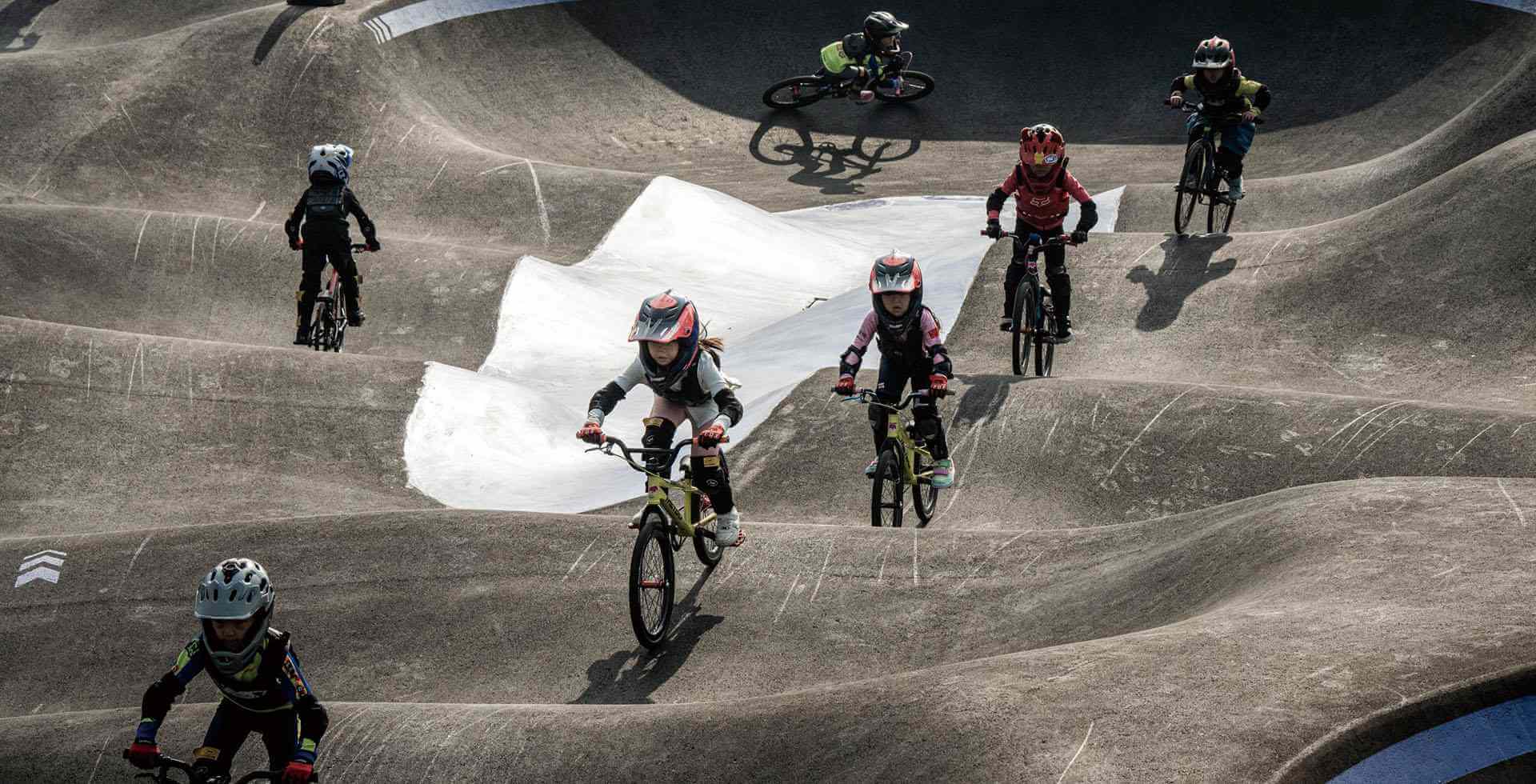
The heart of pump track design rests on matching its main parts—rollers, berms, and shifts. Rollers form the steady base that lets riders hold speed with simple pumping moves instead of pedaling. Berms in the turns guide speed in a smooth way. Meanwhile, shifts between parts avoid sudden height changes. These could break the flow or hurt safety. Shape matters just as much. Even gaps and bends make sure movements stay steady. This supports both new riders and skilled ones.
The kind of surface and building materials affect how well it works too. Asphalt holds up well and needs little care for public spots or races. Dirt tracks change easily but demand regular fixes. Blended materials sit in between. They resist weather and allow custom shapes.
Balancing Functionality and Available Space
When working with tight space limits, flexibility takes center stage. City spots might need small setups fitted into current parks or play areas. On the other hand, home or wild areas can handle longer paths with different height shifts. You get the most out of it with flexible design ideas. For example, use shared paths or common berms to add route choices without growing the total area.
The skill of riders also sets the level of detail. New riders do best with soft slopes and broader berm curves for steady rides. Skilled riders, however, look for sharp turns and steeper rollers. These test their handling and skills.
Determining the Ideal Pump Track Size
Moving from design ideas to space planning means grasping how user groups, land features, and group aims shape the measures.
Factors Influencing Pump Track Dimensions
The people who will ride shape every choice about size. Tracks for kids or basic users focus on safety first. They use lower heights and slower paths. By contrast, fans of BMX or MTB need longer flat parts and taller berms. These keep speed going through tough spots.
The land’s features, like slope angle, soil water flow, and ease of reach, set what sizes work. Natural hills can help with speed boosts from gravity. But you must grade them right to stop soil loss.
Group goals matter in a big way. Fun tracks stress openness and options for all ages. Race-level places follow world rules. They focus on exact shapes and even surface quality.
Space Requirements for Different Track Types
Compact Backyard Pump Tracks
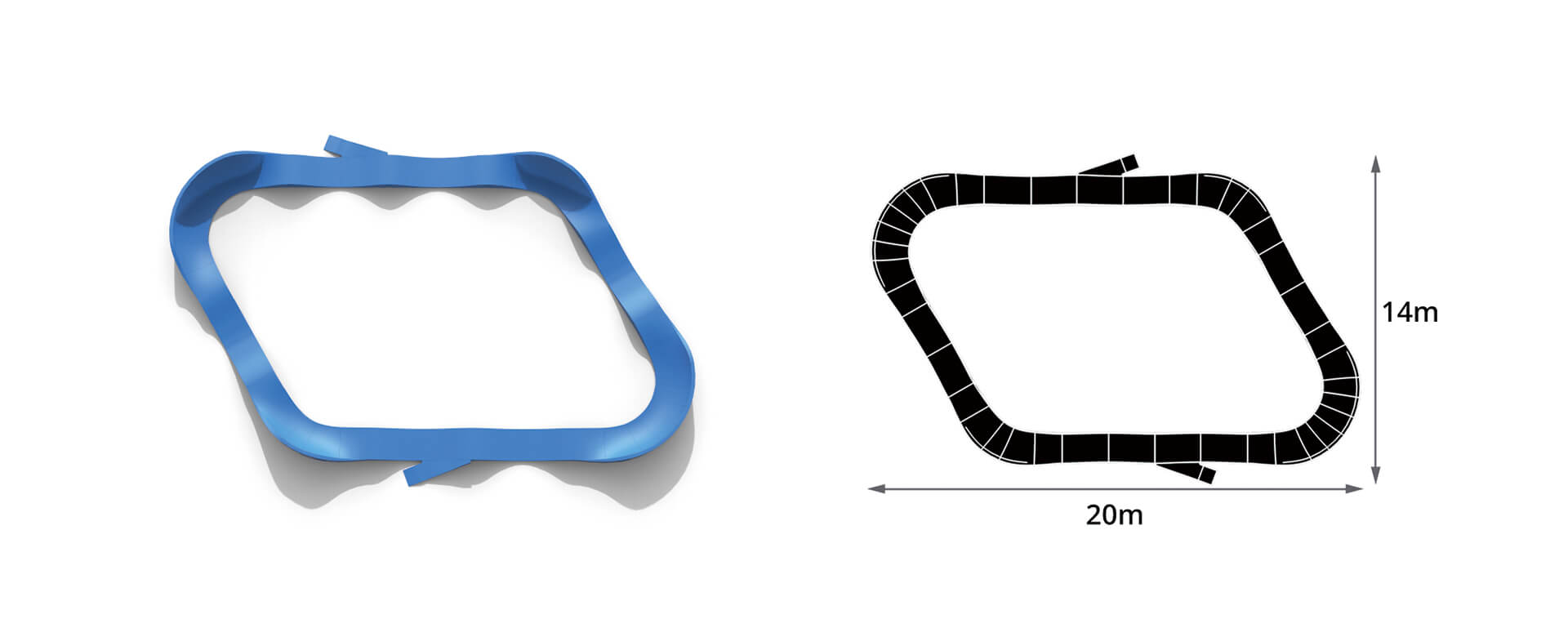 For home setups under 300 m², round or egg-shaped paths are usual. They make good use of the area. Builders often add brief flat sections with close berms. This keeps steady motion in small spots. Dirt stays a top pick here. It costs less and reshapes simply when trying fresh setups.
Medium-Sized Community Pump Tracks
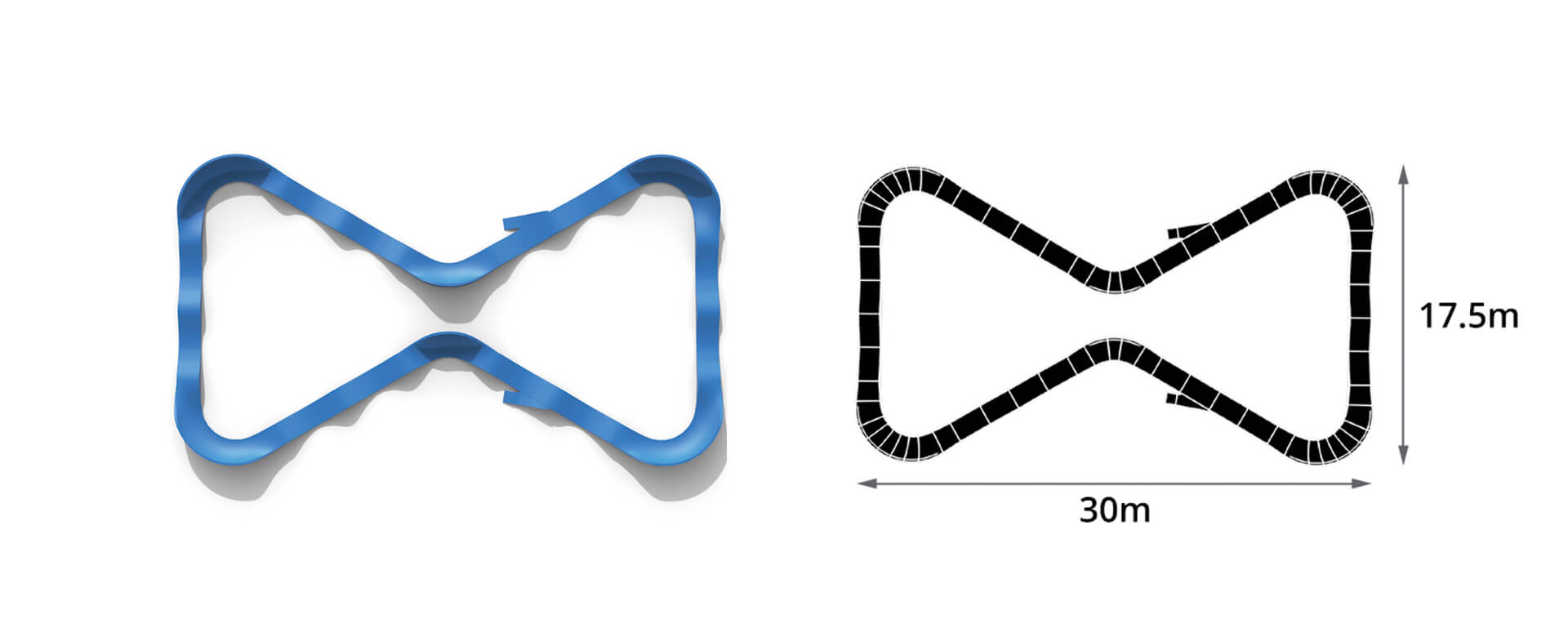
Tracks for neighborhoods cover 500–1000 m² areas as a rule. These often use eight-shape patterns or middle-center plans. They let you mix paths from one main zone. Fitting into park setups boosts reach. It also keeps clear views for watching safety. Asphalt works best here. It stands up to lots of use from bikes, skateboards, scooters, and more.
Large Professional Pump Tracks
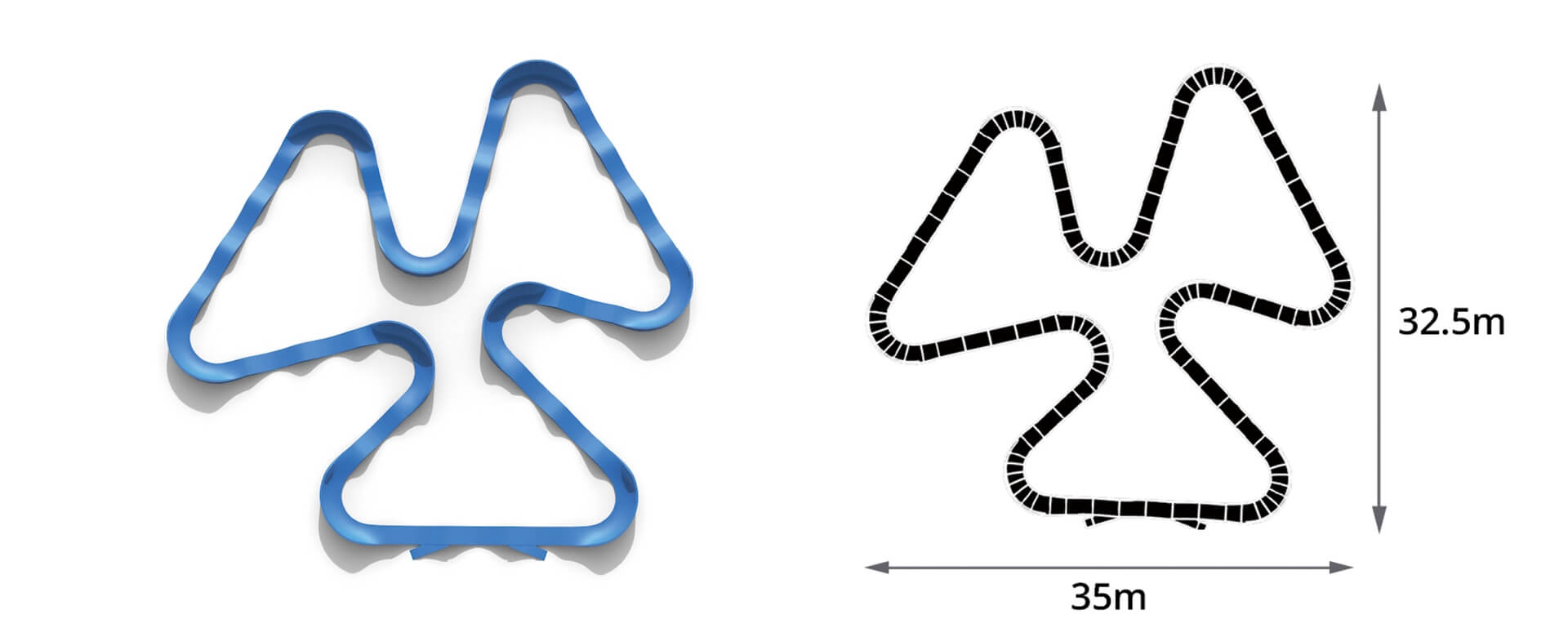 Top facilities over 1500 m² fit several paths for riders at different levels at once. Tricky direction choices add fun. They cut down on crowds at events. Sticking to world race rules makes sure even roller gaps, berm height matches, and safe areas. This matters for official races or practice times.
Evaluating Layout Efficiency in Pump Track Design
Checking how well a layout works connects basic shapes to actual ride results.
Flow Optimization Through Layout Geometry
The best roller gaps tie right into steady timing. Wrong spaces can slow riders down. Then they must pedal more. In the same way, berm curve size affects turn ease. Bigger curves help keep speed. Tighter ones check rider quickness. Height shifts ought to sit in smart spots. They build natural speed areas that keep energy going the whole way around.
Integrating Safety into Efficient Layouts
Adding safety starts with smart start and end spots. Place them away from fast crossing points to avoid crashes. Keeping open views over paths with many directions ensures riders see each other at varied speeds. Fast parts gain from guard areas or fences. These hold stray rides without blocking the open look needed for watchers.
Practical Considerations for Site Planning and Construction
Before starting any pump track build, full land checks make sure it lasts and works well through the year.
Terrain Assessment and Preparation
Testing soil makeup spots how well it packs under steady weight. This stops sinking from repeated use. Good water drain setups cut flood risks. They guide extra water away from ride areas via sloped paths or hidden pipes. Moving earth should follow the land’s natural lines when you can. This keeps the natural look while cutting harm to the surroundings.
Material Selection and Maintenance Efficiency
Surface Options and Their Implications
Asphalt sets the bar for lasting strength. It lets you ride all year with low care costs. But it needs more money up front. Dirt gives a natural feel great for basic projects. Yet it calls for regular fixes after rain or hard use. Blended surfaces mix bendability with easy care. They fit places with big temperature swings.
Long-Term Sustainability Strategies
Ideas for lasting use cover picking reused bits in asphalt blends or green holders in dirt mixes. Do this without losing grip quality. Flexible setups let you grow later. For instance, link extra paths as more people join. This makes it fit for years, not just months.
Realistic Layout Examples by Space Allocation Category
To show size-based design plans in various settings:
Example Configurations for Limited Spaces (Under 300 m²)
Small paths stress close timing between rollers and berms in a tiny area. Brief flats with back-to-back turns keep smooth flow. This holds even when the full path stays short.
Example Configurations for Mid-Sized Areas (500–1000 m²)
Eight-shape setups allow rides in both ways. This boosts interest without using twice the land. Middle hub plans give start points that lead to different loops. It’s a smart fix for park spots with mixed crowds and busy times.
Example Configurations for Large Sites (Over 1500 m²)
Broad multi-path systems handle training at the same time across skill levels. These go from easy lines with mild rollers to pro paths with sharp drops and tough timing parts. Step-by-step splits let riders move smoothly from practice spots to race prep in one full site.
ULTRAPUMPTRACK: A Reliable Partner in Pump Track Development
ULTRAPUMPTRACK shines as a solid provider of modular pump track options fit for many land types around the world. ULTRAPUMPTRACK supports clients through every stage of pump track development, from initial concept to final installation. With experience in modular pump track systems, the company provides practical solutions for parks, schools, and recreational spaces of different sizes. Its approach focuses on adaptable layouts, efficient installation, and long-term usability across various ground conditions. Each project is guided by real site needs, whether the goal is a permanent public facility or a flexible community setup. By combining design insight with field experience, ULTRAPUMPTRACK helps create pump tracks that are safe, durable, and ready for consistent daily use.
Conclusion
Finding the right pump track size comes from matching shape rules with what riders want, real land facts, and upkeep plans for the future. Be it a close backyard circle or a wide pro spot over 1500 m², the key to success is blending style with purpose. This way, every rider gets smooth flow in safe bounds. Strong materials match the local weather too.
FAQs
What is the minimum space required for a functional backyard pump track?
A small backyard pump track usually needs about 100–300 m² based on the design type. Round styles make the most of the space in these bounds.
How often should dirt pump tracks be maintained?
Dirt areas often require fixing every couple of weeks in busy times. This handles wear from weather or tire paths that change roller shapes.
Can asphalt pump tracks accommodate multiple riding disciplines?
Yes, asphalt gives even paths perfect for BMX and also skateboards, scooters, and roller skates. It fits shared spots for different riders looking for group fun.


