

Modular Pump Track vs Skatepark Evaluating Shifts in Urban Design
Urban recreation has changed a great deal in recent years. Cities are getting more crowded. Public areas are busier than ever. As a result, city planners are rethinking how fun activities, sports, and social gatherings can fit together in a smart way. This shift moves away from fixed setups like old skateparks. It heads toward adjustable systems such as modular pump tracks. These changes show new ideas in planning and what communities value most.
Shifting Priorities in Urban Design
City planning today focuses on being flexible and useful for many purposes. Experts aim to build areas that help different groups all day long. These spots can switch quickly for various tasks and occasions. Small, adjustable designs match green goals. They cut down on land needs and material use. Plus, people now want open spaces that everyone can reach, no matter their age or skills. Safety must stay top-notch too. Such growing needs push local governments to try fresh types of fun setups. These blend changeability with care for the planet.
Historical Context of Skateparks in Urban Spaces
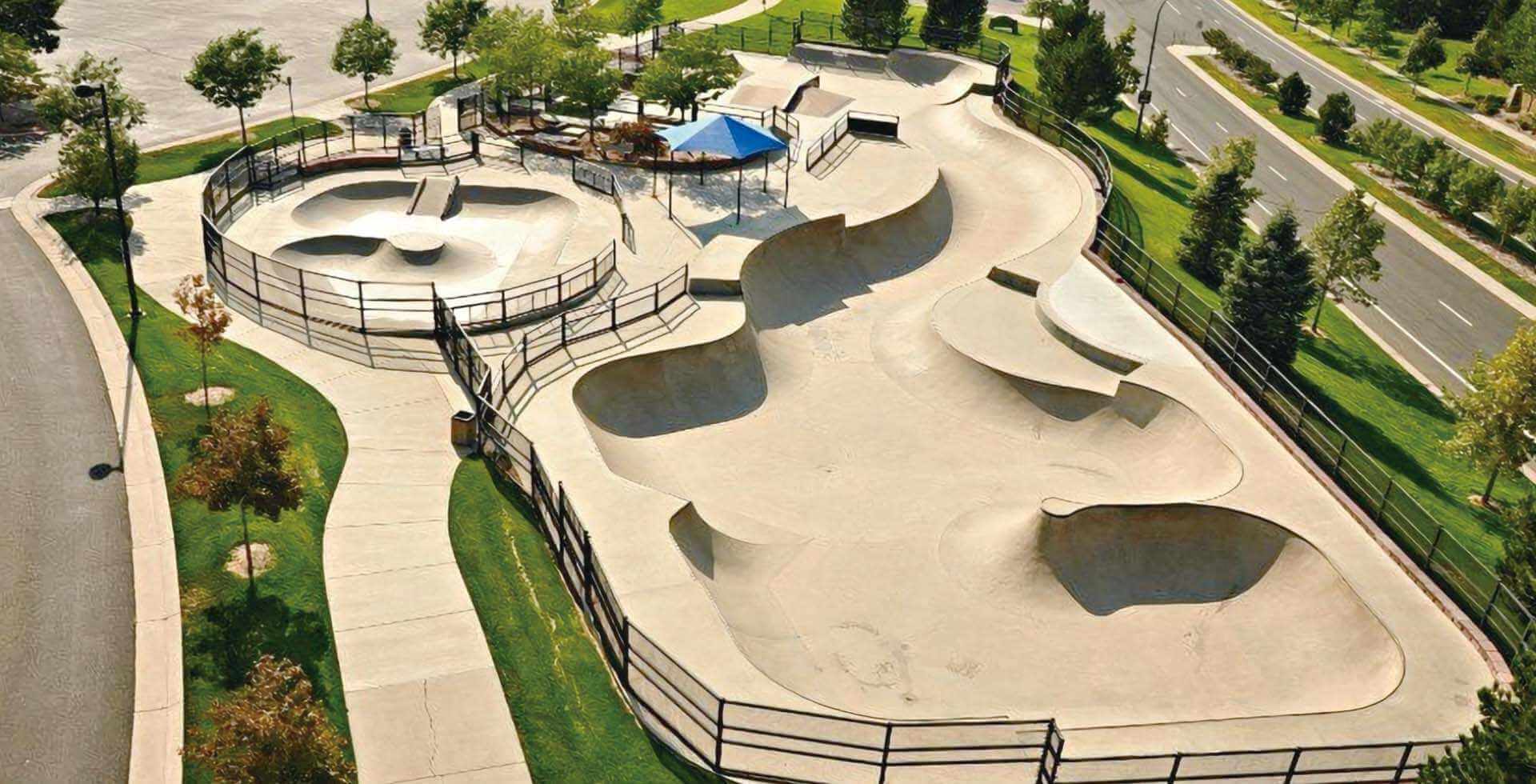 Skateparks first appeared as spots for young folks. They let kids express themselves through skateboarding and bike tricks. Early versions used big concrete builds. These took lots of money and locked up space forever. Sure, they gave teens a sense of belonging. But upkeep costs added up. Weather wore them down. Safety worries grew. So, they struggled to last in busy city centers. As urban spots got tighter and budgets shrank, folks saw the value in bendier options.
Understanding Modular Pump Tracks in Modern Context
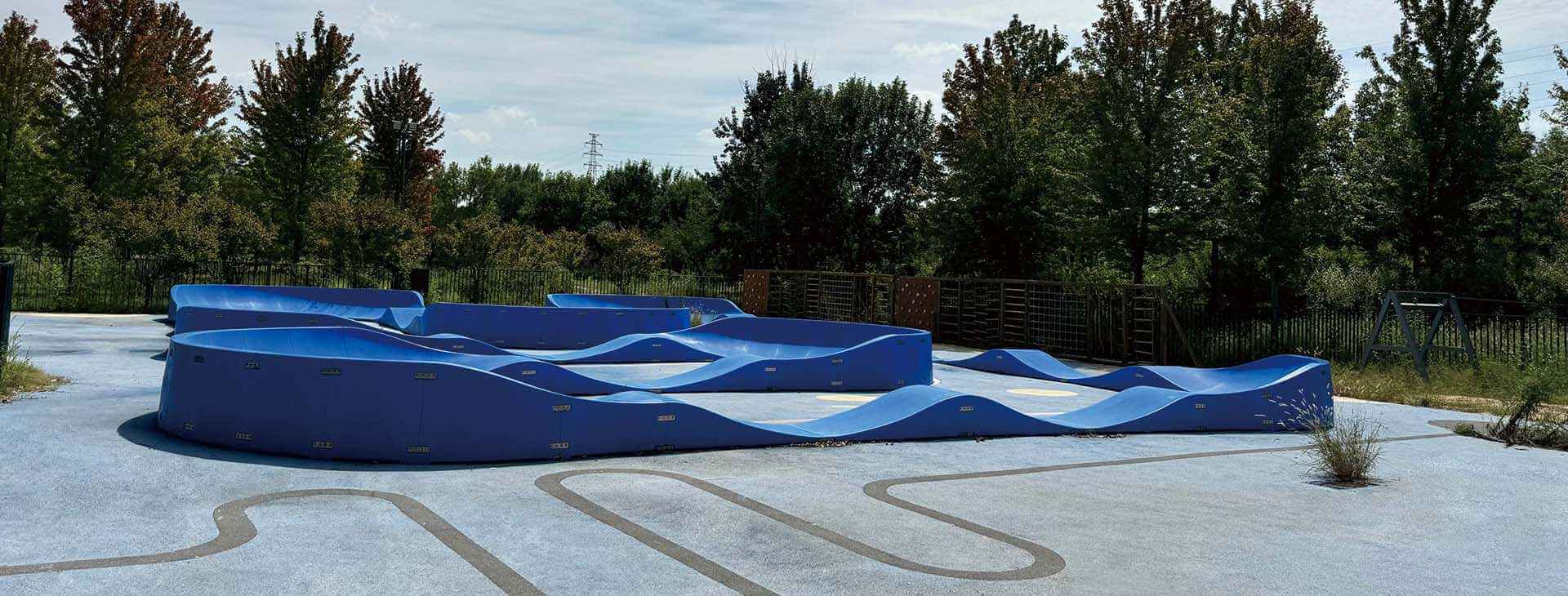 Many towns now pick modular pump tracks to fill needs for easy access, green practices, and fun involvement. This choice helps close the divide in active play options.
Defining Modular Pump Tracks and Their Core Features
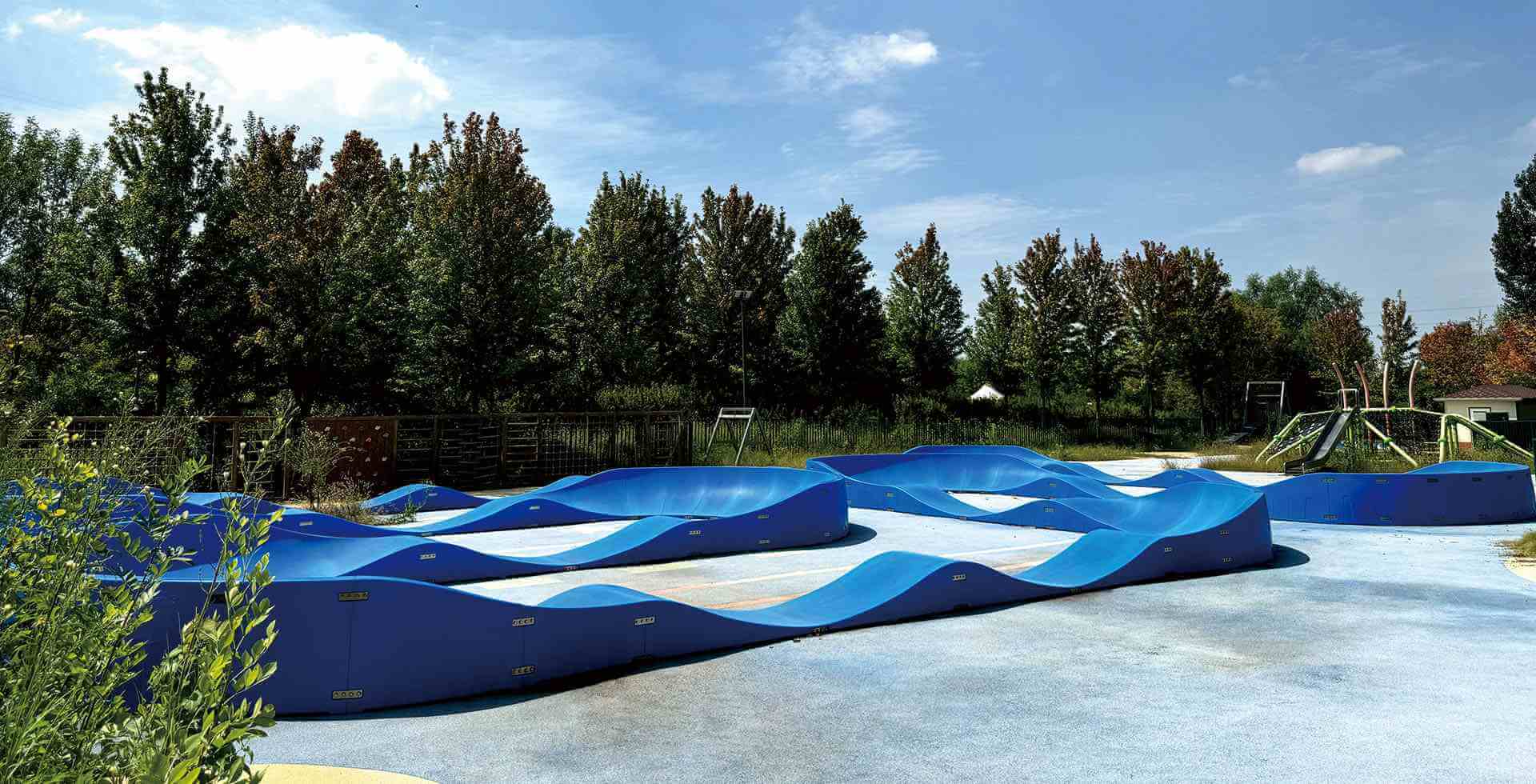
Modular pump tracks are ready-made bike loops. They use linking pieces that adjust to fit different ground types. Fixed skateparks differ a lot. These tracks welcome many riders, like bike users, skateboarders, scooter fans, and rollerbladers. They suit all levels of skill. Setup options let them work for short events or long-term park spots. This bendiness turns empty city zones into lively places.
Material Innovation and Engineering Design Principles
New ideas in materials have boosted how well modular pump tracks work. Tough composite stuff holds up to hard wear and rough weather. It gives even surfaces with good hold. The pieces link fast. No big digging or machines are needed. Builders think about smooth paths. This keeps riders moving by pushing up and down, not pedaling. It makes the ride better and less tiring. So, cities can set up fun areas quickly. They do this with little harm to nature.
Comparative Analysis: Modular Pump Track vs Skatepark
City experts weigh fun investments carefully. When they look at modular pump track vs skatepark choices, clear contrasts show up in space use, money plans, and who can join in.
Spatial Efficiency and Site Adaptability
Modular pump tracks need far less room than classic skateparks. Their tight shapes and adjustable setups make this possible. You can scale them to match the spot. This lets them fit into current parks or unused patches without huge builds. So, they grow bit by bit as groups change or cash flows in. On the other hand, concrete skateparks claim set land. Once done, you can’t shift or reuse them easily.
Cost Structure and Maintenance Considerations
Money-wise, modular pump tracks save a bundle. Setup fees stay low since little ground prep is required. Unlike poured concrete spots, upkeep gets easier with strong composites. If one part breaks, swap it out alone. The whole place doesn’t shut down. But skateparks often hit high fix bills. Cracks in the surface or damage from mischief can sideline big sections. Repairs take time and close everything off.
Inclusivity and User Demographics
The biggest draw of modular pump tracks is how they pull in all kinds of people. They draw skateboard fans, sure. But families with little ones on balance bikes come too. Grown-ups looking for easy workouts join in. Soft slopes help users of any skill. This fits rules for designs that work for everyone. In the end, these spots build stronger ties among neighbors of all ages.
Environmental and Sustainability Perspectives
Green factors make a strong case for why modular pump tracks take over from old skateparks in city plans. They offer clear wins for the earth.
Resource Efficiency in Construction and Lifecycle Management
Making parts ahead cuts trash in factories. Workers use exact amounts under close watch. Reuse is key too. If a place changes, move the pieces elsewhere. Don’t tear them down. Less digging keeps city nature spots intact. Traditional parks often mean big digs and concrete floods, which hurt more.
Energy Consumption and Carbon Footprint Comparison
On energy use, modular setups score better. Light parts mean less gas for hauling them around. Pack them tight for trips, and emissions drop further. But concrete skateparks lean on cement making. That process pumps out tons of carbon. So, over time, they harm the air more.
Social Dynamics and Community Engagement Outcomes
Green numbers matter, but how these setups affect people counts just as much. Their role in city life decides if they thrive.
Enhancing Public Space Utilization Through Flexibility
Modular tracks wake up quiet or empty lots fast. They turn them into buzzing hubs. Being temporary helps test ideas before going all-in. This fits well with plans for events, like fairs or quick parks. More folks around doing active things boosts safety. It chases away bad vibes through steady crowds.
Promoting Active Mobility Culture Among Citizens
These tracks build bike know-how from kid years to grown-up times. They support health rules that push for easy exercise. Plus, they link into bigger paths for walking and biking. This views them as everyday travel ways, not just play spots.
Strategic Implications for Urban Planners and Designers
 Towns want tough fixes that save money and help folks. Smart blending of these ideas is key to success.
Policy Integration and Funding Opportunities
Modular options match aid programs that value green steps, open access, and quick starts. Their light touch on the earth speeds up okay from rules. Those rules check impacts closely. Also, team-ups between public and private groups bring flexible cash. This lets rollouts happen in many areas at once.
Future Directions in Recreational Space Design
New paths lead to mixed setups. They pair real pieces with tech fun, like sensors for ride stats or virtual add-ons. This pulls users in deeper. Info from how people use them shapes better versions later. Tailor them to what locals like. Add eco bits too, such as water catchers or sun-powered lights. This creates spots that do many jobs in landscapes.
ULTRAPUMPTRACK: A Reliable Partner in Modular Pump Track Development
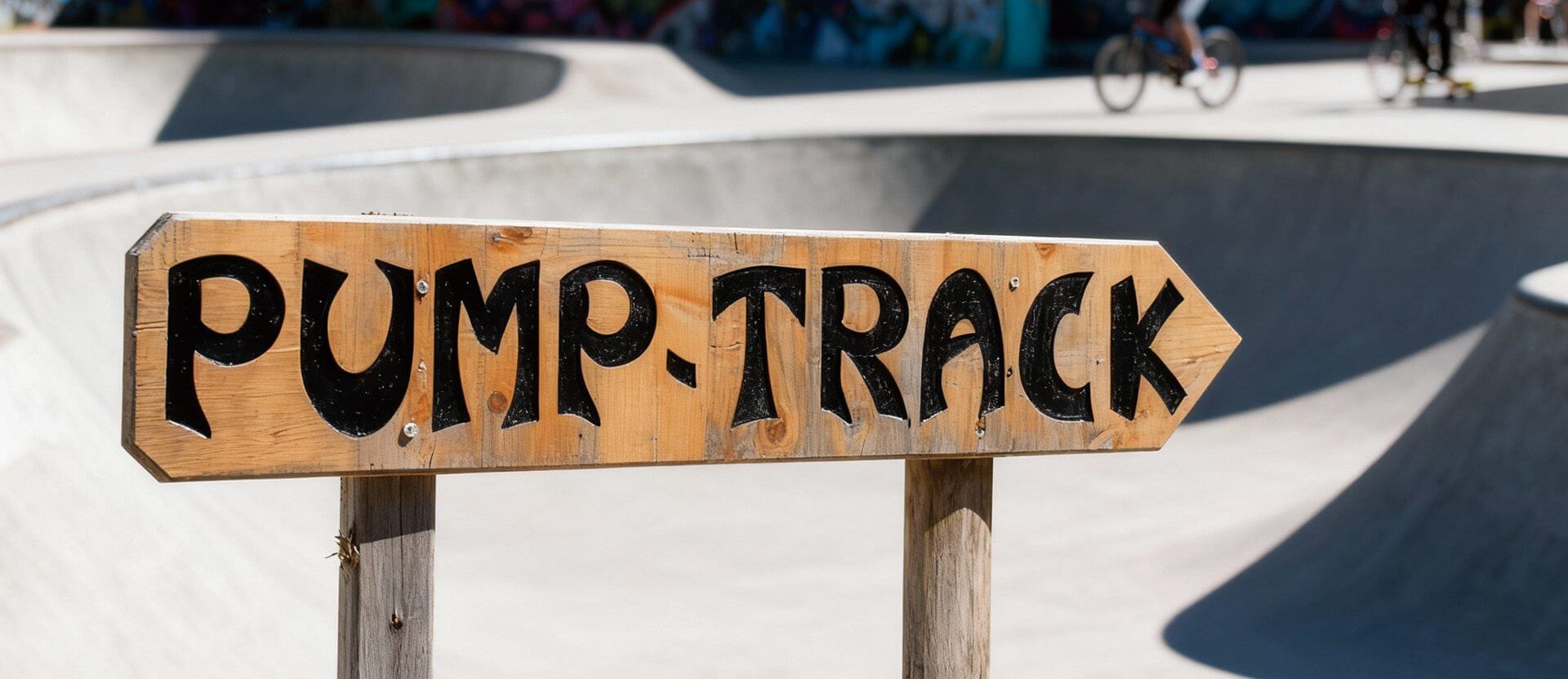
ULTRAPUMPTRACK stands out as a solid provider. It focuses on top-notch modular pump track gear for cities around the globe. The items use carefully made composite materials. They last through tough daily action. Looks blend well with city views. From planning talks to setup help, ULTRAPUMPTRACK offers full-service packages. This lets experts bring strong fun features to life without hassle.
Conclusion
Moving from standard skateparks to modular pump tracks marks a big change. It points to flexible fun setups that tackle today’s city issues head-on. These bring smart space use, planet care, and open doors for all groups. In short, they show forward-thinking ways to refresh shared areas. This happens in green manners while building fitter neighborhoods.
FAQs
What distinguishes a modular pump track from a traditional skatepark?
A modular pump track uses pre-made parts. You can put them together or adjust them simply on many ground types. No lasting build work is needed. A skatepark, though, means set concrete builds. They take big space and lots of supplies.
How do modular pump tracks contribute to sustainability goals?
Making them ahead cuts waste in the process. You can move them for reuse when spots shift. No need to knock them down. This lowers air pollution and trash piles. It’s better than old-style builds.
Are modular pump tracks suitable for all age groups?
Yes. Their open setup helps newbies learn balance. Pros get tricky flows too. So, they make great shared spots. They encourage active habits for life, across all ages.


