

Questions School Leaders Should Ask Before Buying a Pump Track
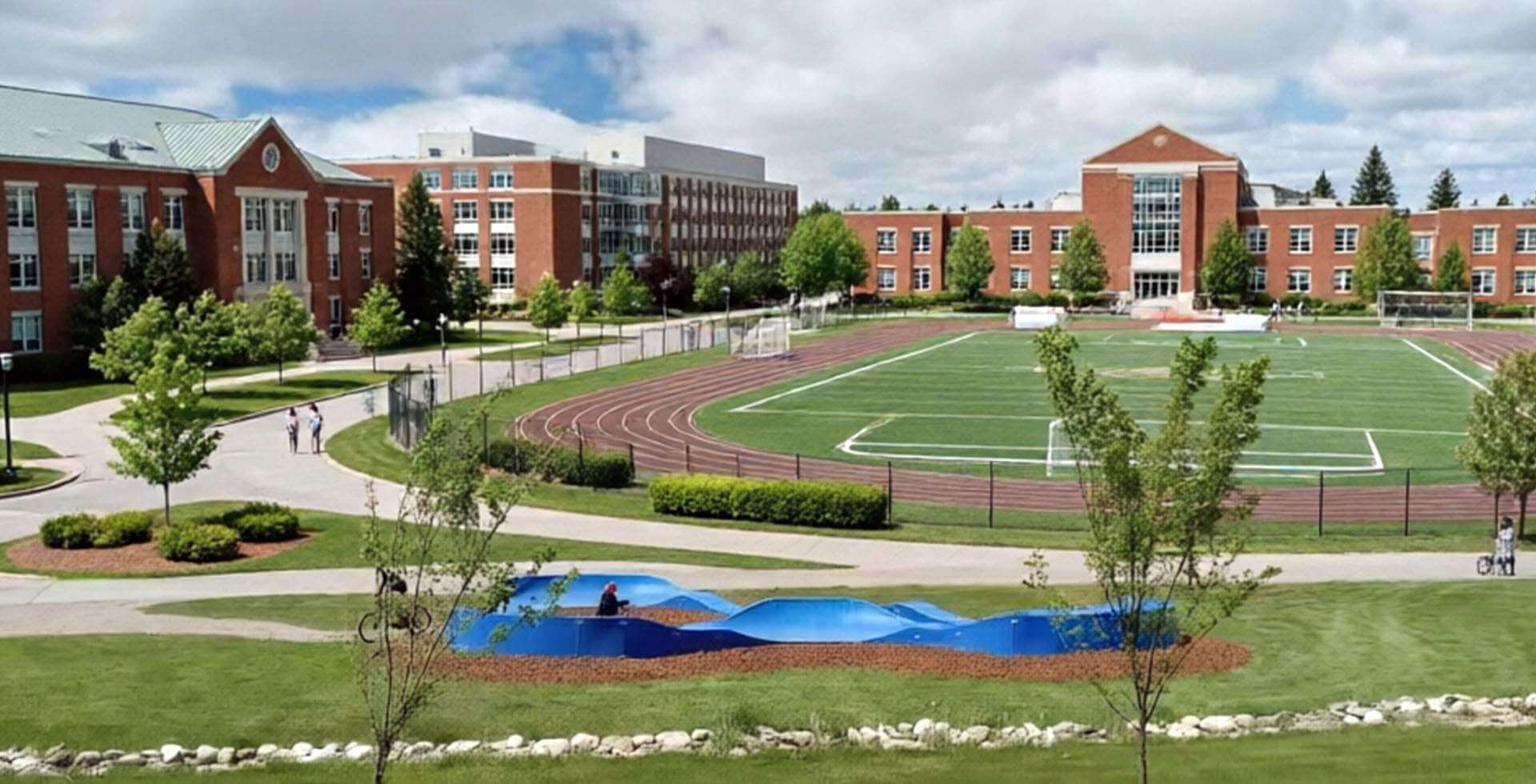
Before buying a school pump track, leaders should test the educational purpose, user numbers, site condition, supervision plan, total project cost and long-term ownership. The questions in this guide turn a broad idea into a brief that teachers, estates staff, governors and suppliers can assess on the same basis.
Start With the Educational Purpose
School leaders should first state what the facility must do during a normal term. A pump track may support physical education, lunchtime activity, cycling confidence or supervised clubs. Each purpose changes the layout, timetable and staffing. A vague aim such as “more outdoor activity” is hard to measure and leaves suppliers guessing.
Record the age range, expected class size, wheel types and whether the track will be used during lessons, breaks or after school. A primary school serving beginners needs a different speed profile from a secondary campus with an established cycling club.
For related planning details, see modular pump track systems.
Who Will Use the Pump Track and When?
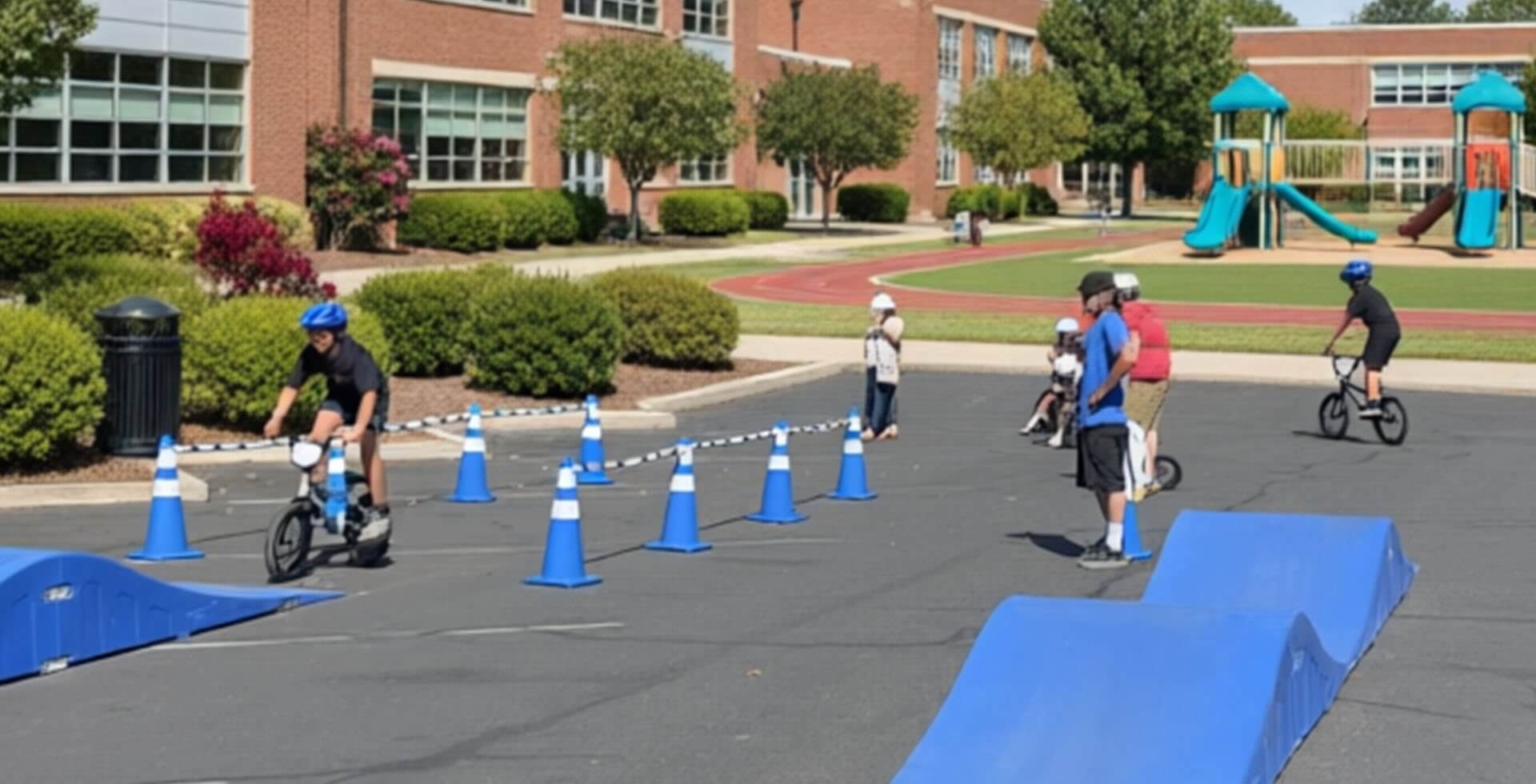
Map a typical day in 30-minute blocks. Arrival and dismissal periods may rule out parts of the site. A class of 24 pupils also needs a waiting area where riders can stand without crossing the riding line. Staff must be able to see entries, exits and any point where a pupil may stop.
Consider access for pupils with different confidence levels. A clear progression area, rest point and alternative activity help a teacher keep the whole class engaged. The plan should also state whether scooters, balance bikes or skateboards are permitted.
For related planning details, see pump track design and installation.
Is the Proposed Site Ready?
Confirm the usable boundary after drainage routes, utilities, trees, fire access and safeguarding lines are removed. Check how equipment reaches the site during installation. A narrow gate can change unloading and assembly plans even when the finished track fits.
Water is a common source of disruption. The site survey should identify low points, surface falls and where runoff can discharge. Shade, leaf drop and nearby soil also affect cleaning. These details belong in the brief before a final price is requested.
For related planning details, see pump track project planning.
How Will Safety and Supervision Work?
Ask who completes the opening check, who can close the track and where faults are recorded. School rules should cover helmets, direction of travel, rider spacing, wet-weather closure and what happens after a fall. Local requirements and the school risk process still apply.
Good sightlines reduce supervision pressure. Avoid placing storage, planting or seating where they block a teacher’s view. An emergency route must remain usable while the track is occupied.
What Is Included in the Purchase Price?
Compare like with like. The equipment price may exclude base preparation, drainage, delivery, unloading, assembly, fencing, signs or staff training. Request a scope table showing who supplies each item and what must be ready before installation.
Ask for maintenance instructions, inspection frequency, warranty conditions, spare parts information and handover records. A lower quotation can become expensive if essential site work appears after approval.
Can the Facility Grow With the School?
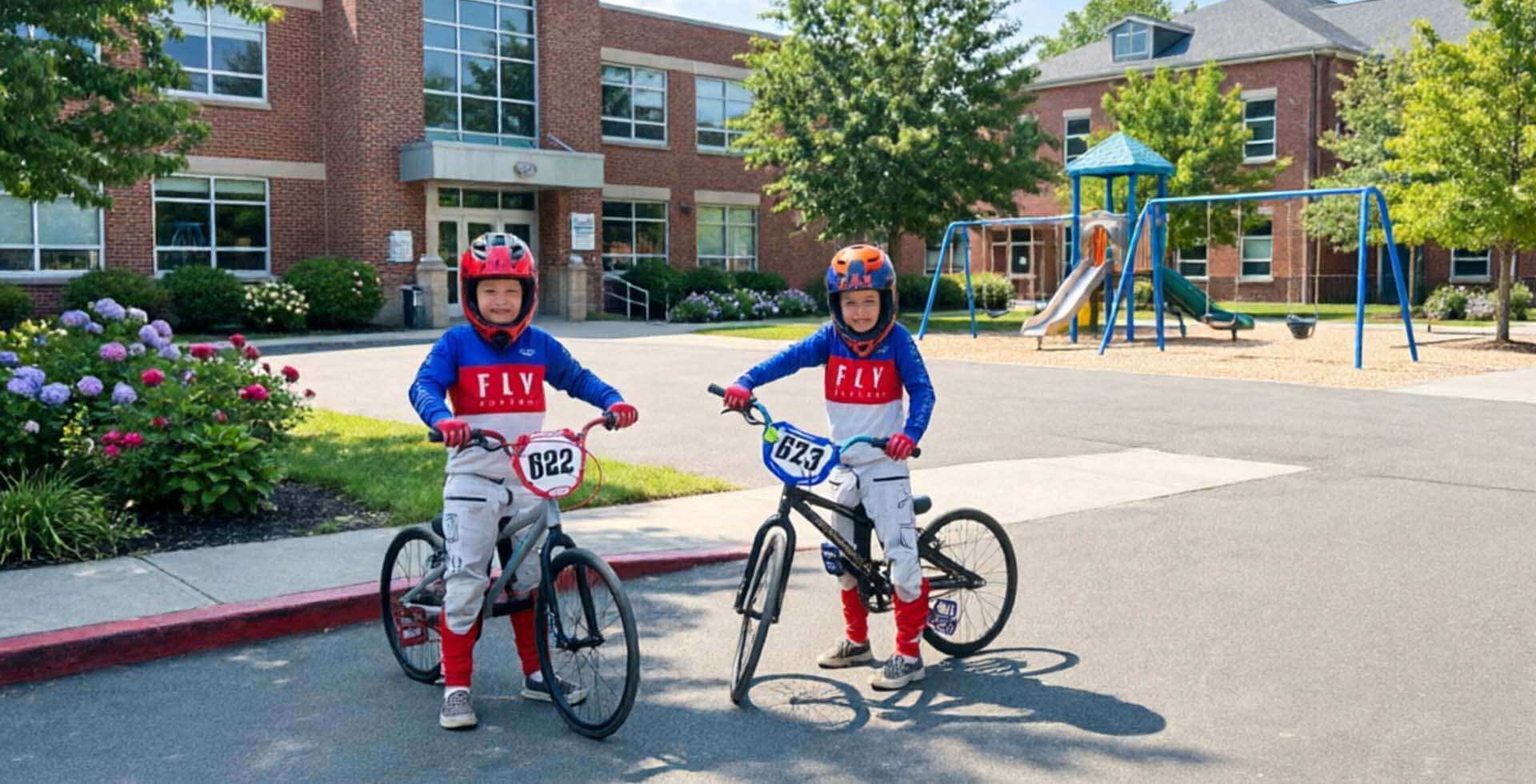
A modular pump track may support later changes, but expansion requires reserved space and compatible connections. Ask the supplier to mark possible future sections on the first drawing. This helps the school avoid planting, paths or utilities in the only practical expansion zone.
Also test the timetable beyond the first year. A facility that works for one enthusiastic teacher should still be manageable after staff changes.
How Should Proposals Be Compared?
Give every bidder the same measured plan, intended users and scope schedule. Then score responses against stated criteria such as layout fit, technical documentation, site assumptions, installation method, training, warranty and support. A polished drawing should not outweigh an unclear foundation requirement or an unpriced delivery task.
Ask suppliers to identify departures from the brief in one place. This simple step exposes different assumptions about ground works, unloading, fixings and completion checks. It also gives governors a cleaner audit trail when they review the recommendation.
What Will Happen During Installation?
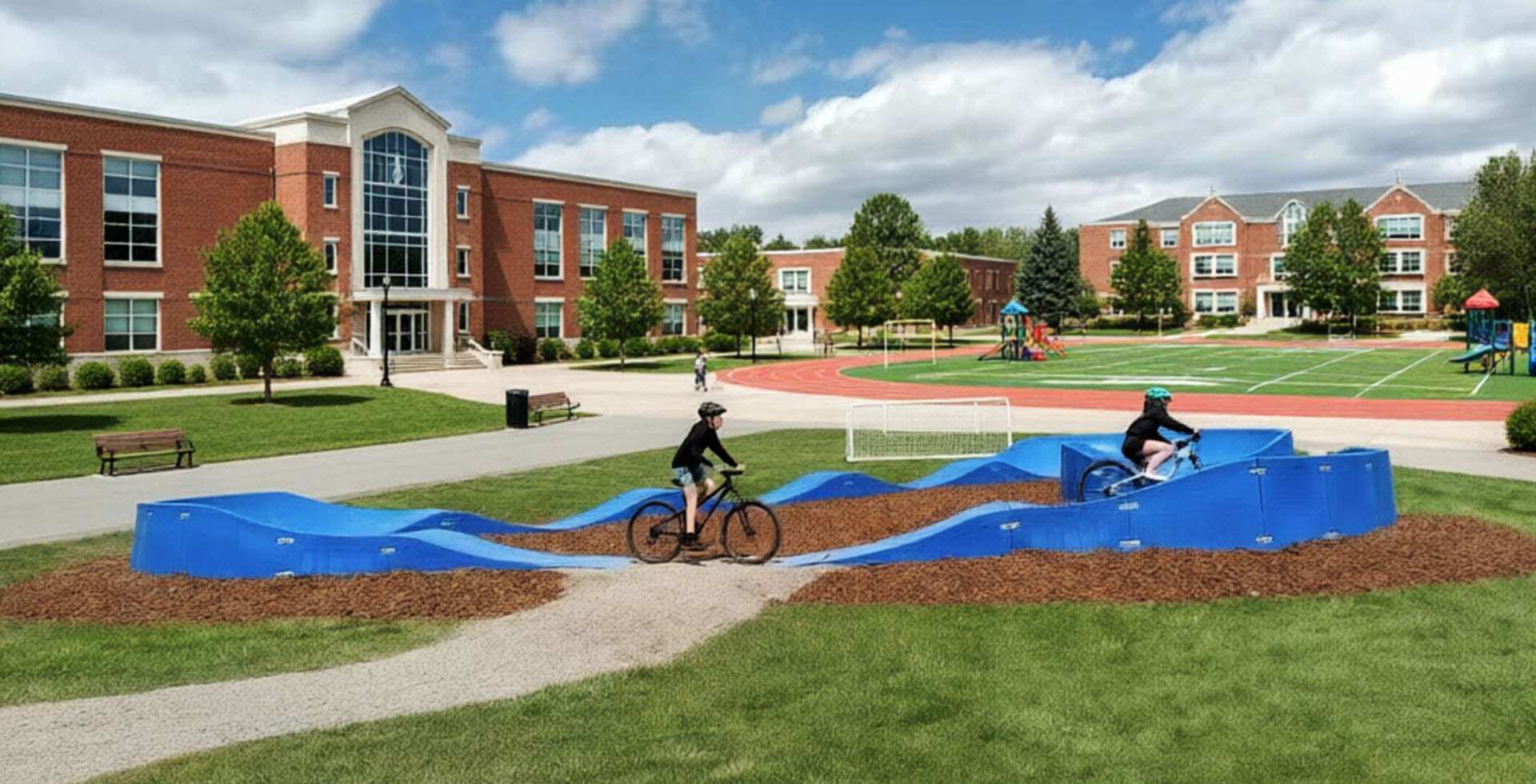
Set out working hours, contractor access, storage, safeguarding barriers and the route used by delivery vehicles. Installation may overlap with teaching days, examinations or holiday maintenance. The programme should name who accepts deliveries, who checks quantities and who signs off the prepared base before modules are assembled.
Before opening, collect the final layout, component list, inspection record, warranty information and maintenance instructions. Staff training should use the actual track and include closure decisions, fault reporting and safe reopening. Keep these records where future estates staff can find them.
How Will the School Review Results?
Choose a small set of measures linked to the original purpose. A school focused on curriculum use might record booked lessons, participating year groups and cancellations. A school focused on active breaktimes may track supervised sessions, queues and repeated behaviour issues. Numbers need context; one wet term can distort a simple attendance comparison.
Schedule a review after the first full term and again after one year. Include teachers, estates staff and pupil representatives. The review should identify timetable changes, minor site adjustments and maintenance needs rather than trying to prove broad educational outcomes from one facility.
Does the Layout Work for a Full Class?
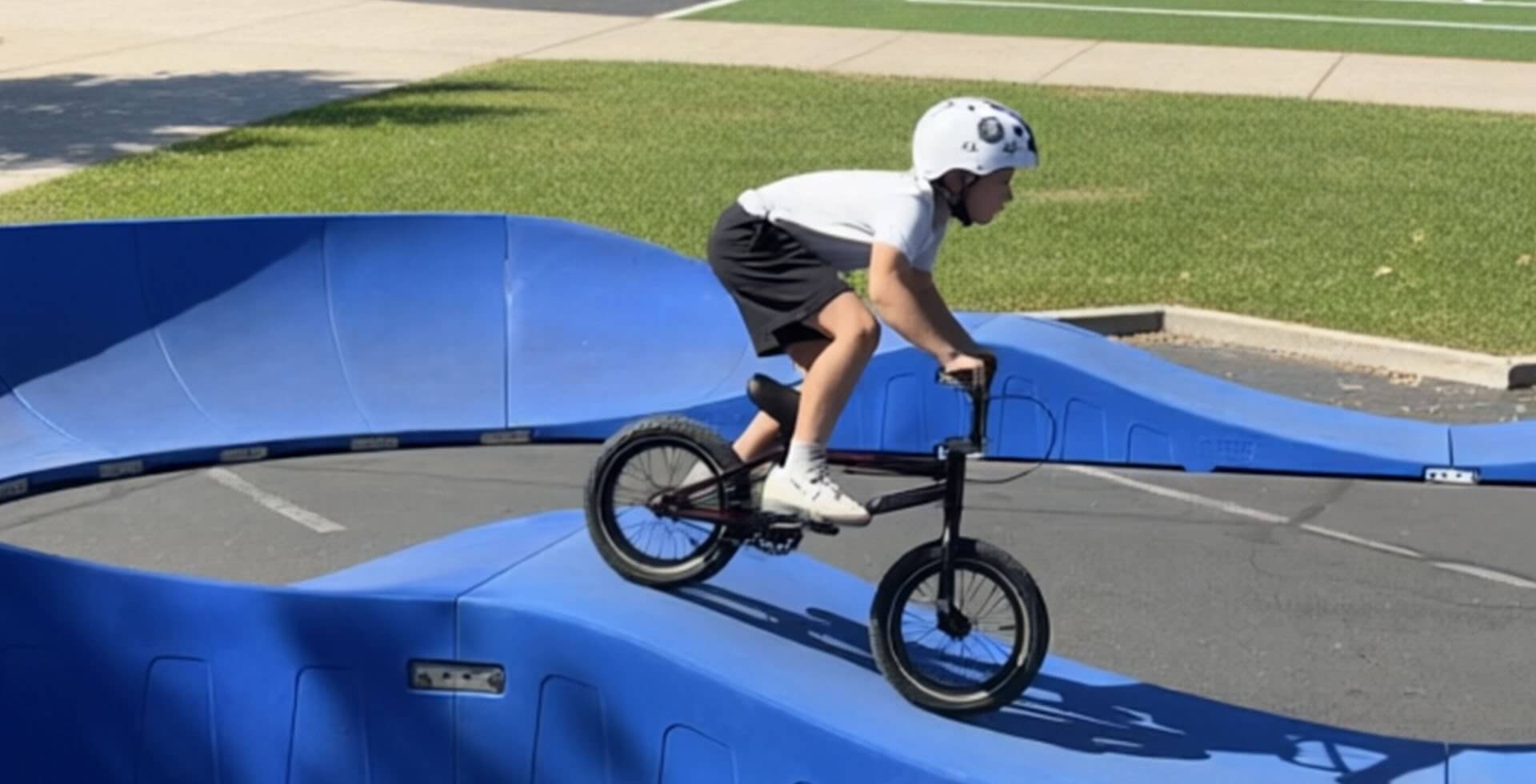
Test the drawing as a lesson, not as an aerial image. Mark where pupils collect equipment, wait, enter, ride, leave and receive instruction. If those movements cross, the teacher will spend time managing traffic instead of teaching. A short demonstration area beside the main loop can be more useful than another feature.
Ask for dimensions at the narrowest points and around the outside of berms. Check whether a wheelchair, maintenance trolley or emergency response team can reach the riding area without entering the normal flow. These details are difficult to add after the base is complete.
What Contract Records Should the School Keep?
Keep the approved plan, quotation, assumptions, delivery list, base sign-off, installation record and opening inspection together. Photograph the finished site before public use. These records help staff distinguish wear from damage and give a supplier enough detail to assess a later service question.
Write down the route for reporting a fault. Teachers should know whom to contact and estates staff should know which defects require closure. The contract should explain response channels without promising that every mark or loose item falls under warranty.
| Decision area | Evidence to request | Common oversight |
| Users | Age, class size, wheel types | Only planning for confident riders |
| Site | Survey, levels, drainage route | Using the gross site area |
| Операции | Timetable and supervision plan | No waiting area |
| Commercial | Itemised scope and warranty | Comparing headline price only |
Questions to Confirm Before Approval
- What learning or activity goal will the pump track support?
- How many pupils will ride and wait during one session?
- Who will inspect, supervise and close the facility?
- Which site works are included in the quotation?
- What documents and training are provided at handover?
- Can the layout be expanded without replacing the first phase?
О компании ULTRAPUMPTRACK
ULTRAPUMPTRACK supplies modular pump track systems for schools and other managed sites. Its project scope can include layout planning, component selection, delivery coordination and installation support. Schools should judge any supplier by its drawings, material information, site assumptions, inspection guidance, warranty terms and ability to explain the handover process.
Project teams can contact ULTRAPUMPTRACK once the site brief and decision criteria are ready.
Заключение
A pump track purchase should follow a clear operating purpose, a checked site and a realistic plan for supervision, inspection and future use. Written answers to the questions above make proposals easier to compare and reduce late changes. The strongest decision is one that the owner can explain, fund and manage after opening day.
Часто задаваемые вопросы
Сколько места требуется для школьной трассы для велоспорта?
Space depends on rider numbers, layout, safety clearances, access and drainage. Use a measured site plan rather than a generic area figure.
Can beginners use a modular pump track?
Yes, when the geometry, entry points and supervision plan suit beginners. Progression should be clear and speeds should remain manageable.
What should a school pump track quotation include?
It should identify equipment, base assumptions, drainage, delivery, installation, signs, training, warranty and handover documents.
Who should inspect a school pump track?
The school should name trained staff for routine checks and follow supplier guidance for technical inspections and repairs.


