

Modular Pump Track Procurement: From Design to Handover

A modular pump track procurement list gives a project team one place to check every decision before money is committed. It covers the riding brief, site data, technical specifications, supplier scope, delivery, installation, inspection and handover. The result is a facility that can be priced fairly, installed with fewer surprises and handed to an operator with clear records.
What Should Be Included in a Modular Pump Track Procurement List?
A modular pump track procurement list should include eight parts: project goals, intended users, site and drainage information, layout and material specifications, quote inclusions, supplier and warranty requirements, installation records, and final acceptance documents. Treat the list as a working file. Each line should have an owner, evidence and status, rather than a vague promise that an item is “included.”
Stage 1: Define the Project Before Requesting Quotes
Begin with a short written brief. It gives every supplier the same starting point and makes later quote comparisons fair.
Write the project brief
Start with the people who will ride. A school may need a compact beginner loop for balance bikes and scooters. A public park may need separate progression lines so a first-time rider is not placed directly in the path of a faster BMX rider. A resort or event operator may need a layout that can be dismantled and stored. These are different briefs, even when the footprint is similar.
- Name the site owner and day-to-day operator.
- List expected users: BMX, bicycles, scooters, skateboards and inline skates.
- State whether the track is permanent, seasonal, movable or designed for later expansion.
- Set a target opening date, approval stage and budget range without presenting the range as a supplier price.
Before sending a request, review the supplier’s pump track design and layout service so the brief asks for the drawings and revisions the project actually needs.
Stage 2: Collect Site and Access Information
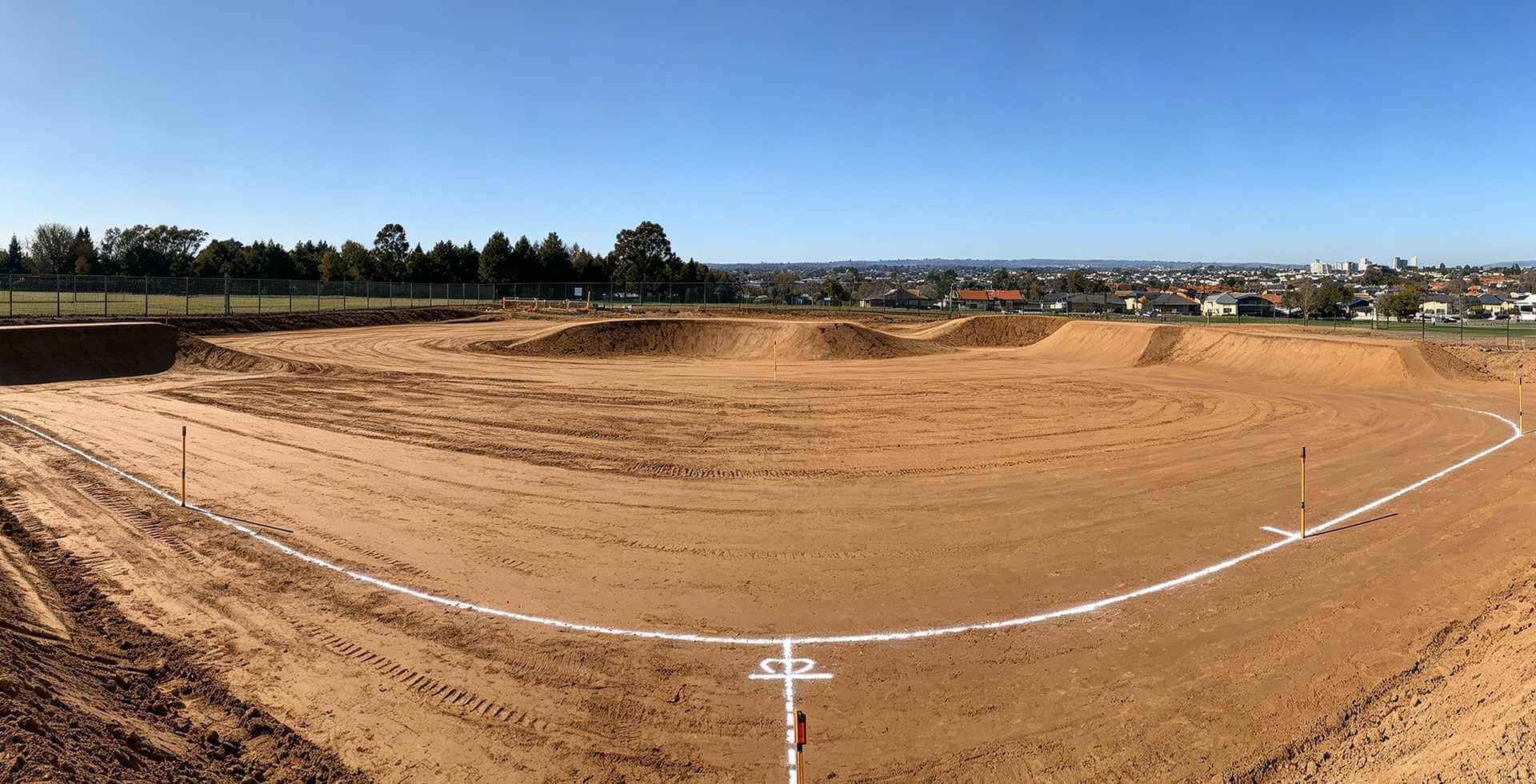
Before selecting a layout, collect the physical facts that affect fit, access and long-term operation.
Site survey and drainage
A supplier cannot size a layout from a single length and width. Record the usable boundary, narrow points, slope, fixed objects, surface type, drainage direction and points where water sits after rain. Add photographs from each corner and a simple access sketch. A level surface is normally easier to assemble, while a site with uneven support points may need preparation before modules arrive.
Delivery access belongs in the same file. Note the truck route, gate width, turning space, unloading area, temporary storage and distance from the drop point to the installation zone. A track can be technically suitable and still lose time when a packed module cannot reach the work area.
Stage 3: Request Clear Modular Pump Track Specifications
Ask every bidder to answer the same fields. This makes a lower headline price easier to compare with a quote that includes more work.
| Procurement field | Evidence to request |
| Layout | Dimensioned plan, module count, entry/exit, riding lines and safety clearance |
| Material | Material description, weather information, surface construction and colour options |
| Connections | Connector and fastener details, joint treatment, replaceable parts and tools |
| Riding surface | Anti-slip description, cleaning instructions and wet-weather restrictions |
| Compatibility | Guidance for BMX, bicycles, scooters, skateboards and inline skates |
| Expansion | Which modules can be added, rearranged, removed or relocated |
| Safety and records | Signage suggestions, inspection method, manuals and applicable standards |
The phrase “LLDPE modular pump track” should be backed by a material specification, not used as a quality shortcut. Ask what the material does in the proposed environment and what maintenance the surface needs.
Stage 4: Compare Quotes on a Like-for-Like Basis

The most useful comparison is a complete project scope, not the lowest number on the first page of a quote.
Separate product price from project cost
A quote may cover modules only, while another includes design, packaging, freight, unloading, installation and handover. Put each scope line into a comparison sheet. Include site preparation, drainage work, safety signs, taxes, local labour and a sensible contingency where the site is not fully surveyed.
| Cost line | Question for the supplier |
| Design | How many layout revisions and what drawings are included? |
| Delivery | Are packing, freight, insurance, unloading and tracking included? |
| Instalação | Who supplies tools, labour, access equipment and site protection? |
| Schedule | Does the lead time begin at deposit, drawing approval or production release? |
| Aftercare | Are manuals, operator training, spare parts and support contacts included? |
Avoid a universal “pump track cost.” Layout size, module count, ground work, shipping lane and installation conditions change the total. A project quote is more useful than a generic number copied from another country.
Stage 5: Check Supplier Capability and Contract Terms
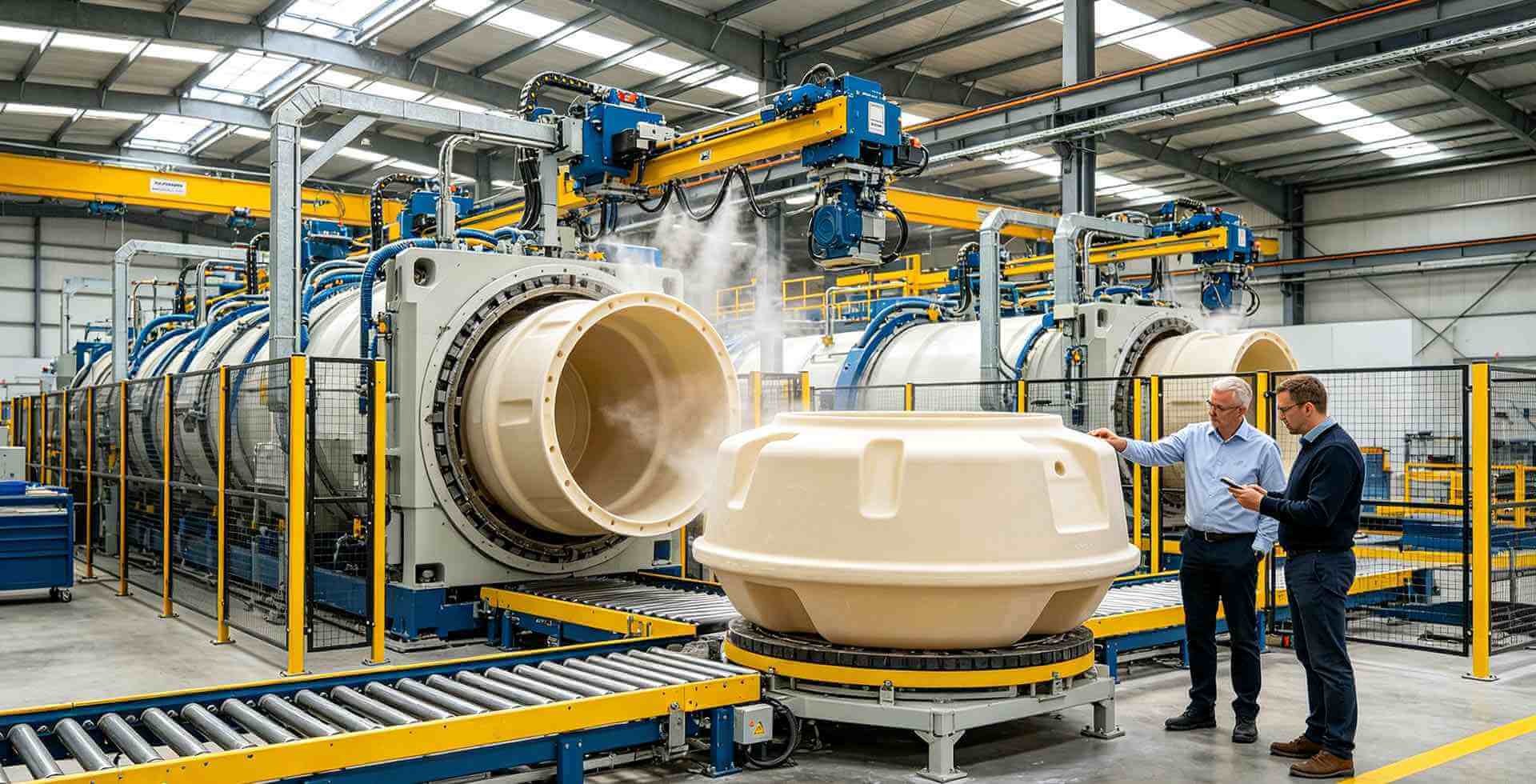
Once the scope is clear, check whether the supplier can support the facility beyond delivery day.
Supplier evidence and warranty
The supplier requirements should ask for product specifications, quality-control records, relevant project references, installation responsibility and a clear defect process. The contract should state what happens when a delivery is damaged, a connector is missing or a surface issue appears during acceptance.
For ULTRAPUMPTRACK, the company background describes a focus on modular plastic pump tracks and project support. The service page can be linked in the procurement file for installation and after-sales questions. General warranty information should be written with its conditions: the standard warranty is 5 years, while projects within 500 yards of the coast have a 2.5-year warranty. Maintenance records may be required for a claim.
Stage 6: Prepare for Delivery and Installation
The installation requirements should be agreed before production. Confirm the prepared surface, drainage, site clearance, delivery access, unloading plan, tools, weather window and safety barrier. Keep a dated record of module labels, packaging condition, layout version, field changes and the person who approved each change.
- Photograph the unloading condition before moving packages.
- Match module labels to the approved layout drawing.
- Keep connectors and fasteners in labelled containers.
- Record any change to the approved layout before final tightening.
- Keep pedestrians away from the work zone until the surface and surrounding area are checked.
Stage 7: Complete Inspection and Final Handover
A final handover is more than a quick ride. It is the point where the owner receives evidence that the installed facility matches the approved scope and can be operated safely.
- Match delivered modules and accessories to the approved list.
- Check dimensions, alignment, connections and visible gaps.
- Inspect the anti-slip surface, edges, signs and surrounding clearance.
- Confirm drainage and remove packaging or installation debris.
- Run a controlled test ride and record defects or adjustments.
- Collect manuals, warranty terms, maintenance schedule, spare-parts list and as-built drawings.
- Obtain signed final acceptance and name the operating owner.
The contact page should be included in the handover pack with the responsible project contact, not left in an old email thread.
Stage 8: Plan Maintenance, Expansion and Future Changes
The handover checklist should point to daily visual checks, periodic tightening and surface cleaning, plus a clear escalation path for damage. A low-maintenance surface still needs records. Log standing water, loose hardware, impact damage, repairs and periods when the track was closed.
Modular systems may be expanded or relocated later, but the new arrangement needs a layout review, compatible connectors, a suitable surface and a fresh inspection. Product life is commonly stated as 8–10 years for this project context; actual service depends on use, environment and care.
Printable Procurement Checklist
| Item | Owner | Evidence / status |
| Project brief and user groups | ||
| Site dimensions, slope and photos | ||
| Drainage and ground condition review | ||
| Delivery route and unloading plan | ||
| Approved layout drawing / CAD render | ||
| Material and surface specifications | ||
| Connector and spare-parts list | ||
| Quote scope comparison | ||
| Warranty and maintenance terms | ||
| Installation and inspection records | ||
| Manuals, training and as-built record | ||
| Signed final acceptance |
A supplier profile belongs here because procurement decisions also depend on communication, documentation and after-sales support.
ULTRPUMPTRACK como fornecedor de pistas de pump track modulares
ULTRAPUMPTRACK supplies LLDPE modular pump track systems for public spaces, schools, resorts, events and private projects. Its offer is built around configurable modules, layout support, installation guidance and after-sales service rather than a single fixed track shape. For a buyer, the practical value is the ability to discuss the site, compare a defined scope and retain a documented handover pack. Project details, environmental conditions and warranty limits should still be confirmed in writing before an order is placed.
Conclusão
A strong modular pump track procurement list protects the project before the first module is shipped. It gives suppliers the same brief, exposes hidden scope in quotes and turns final acceptance into a recorded process. When design, site, delivery, inspection and maintenance are linked from the start, the owner gets a facility that is easier to open, operate and plan for in the years ahead.
Perguntas frequentes
The questions below address the points that most often slow down a quote, approval or handover.
What should be included in a modular pump track procurement list?
Include the project brief, users, site and drainage data, modular pump track specifications, quote scope, supplier requirements, delivery and installation requirements, inspection items, warranty terms and the pump track handover checklist.
What specifications should be requested from a pump track supplier?
Request a dimensioned layout, module count, materials, anti-slip surface details, connectors, compatible riding disciplines, safety clearance, expansion options, maintenance manual and applicable test or standard information.
How much does a modular pump track cost to install?
There is no reliable single price. Modular pump track cost factors include the layout, number of modules, ground preparation, drainage, freight, unloading, installation, signs, taxes and local labour. Ask for an itemised project quote.
How long does a modular pump track project take?
The schedule depends on design approval, site readiness, production, shipping and installation. A standard production lead time may be 7–10 days, but that is not the total project duration and must be confirmed for the specific order.
Can a modular pump track be expanded or relocated later?
Often, yes. The supplier must confirm module compatibility, the new site surface, delivery access, revised rider flow and a new inspection before the expanded or relocated track reopens.


