

Flow Pump Track vs Technical Pump Track Speed Rhythm Endurance and Challenge
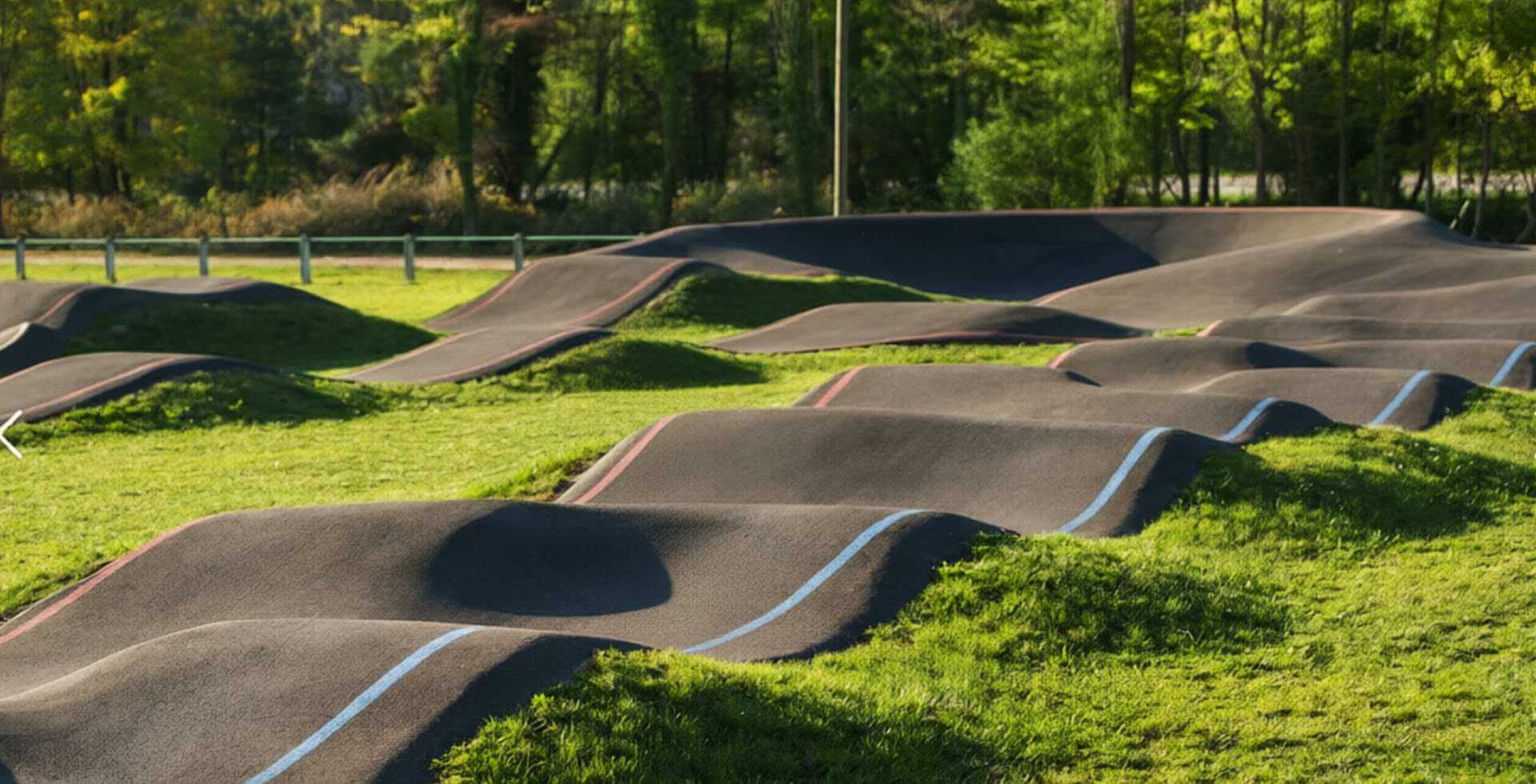
Flow and Technical pump tracks create different riding experiences. Flow connects rollers and berms into rhythm; Technical layouts add precision and line choice. The right mix depends on riders, site and operations.
Quick Answer
Flow layouts connect rollers and berms into smooth rhythm and repeated movement. Technical layouts add tighter choices, precision features and more demanding line control. Flow often suits broad mixed-use riding; Technical sections suit progression and advanced practice.
These are planning descriptions, not universal engineering standards.
Flow Riding Character
Flow comes from linked transitions and a readable line. Riders can carry momentum and repeat a rhythm, while feature size and spacing still determine difficulty.
A clear Flow line is useful for community sessions when riders have different confidence levels.
Technical Riding Character
Technical layouts ask riders to manage more variables: tighter turns, optional lines, transfers or sharper transitions. The challenge is often precision rather than simply going faster.
Technical zones should include a visible skill path so beginners are not forced into the hardest section.
Speed Rhythm and Endurance
Flow can feel fast because momentum continues through connected features. Technical riding may feel harder at a lower measured speed because riders brake, change line and reset body position. Do not promise fixed speeds without testing.
Flow often supports longer repeated laps. Technical sections may create shorter focused efforts with more stopping and coaching.
Users Site and Cost
Families and mixed users usually need a readable line. Clubs and advanced riders may value technical options. Schools may need both. Site width, drainage, clearances, delivery and installation affect cost more than the label alone.
Compare proposals with the same footprint and scope, including base work, inspection and future changes.
Operations Matter as Much as Geometry
A coach can use a Flow section to teach pumping, looking ahead, corner entry and safe spacing. A Technical section can then turn one skill into a controlled challenge, such as carrying pressure through a tighter turn or choosing between two lines. Schools and community programmes may need a simple route that stays readable when several riders are present. Clubs can use scheduled access to the more demanding zone without making it the only route through the facility.
Flow and Technical Layouts in Coaching
Two layouts can contain similar rollers yet feel completely different because of the distance between them. Short spacing encourages a quick sequence of pressure changes. Longer spacing gives the rider time to recover, choose a line or prepare for a turn. The supplier brief should describe the desired riding rhythm in plain language and show which sections are intended for beginners, regular users or advanced practice. Avoid selecting a style from a name alone.
Feature Spacing Changes the Experience
Technical riding asks a rider to read the feature before committing. A tighter berm may require earlier braking. A transfer may offer a shorter route but demand accurate timing. A broken rhythm section can punish a late pressure change even when the feature is not physically large. These challenges are useful for clubs and progression programmes because a coach can isolate one decision and repeat it, but the plan needs space for riders to reset without blocking the next line.
Technical Riding Adds Decisions
Flow riding depends on keeping the body active through linked features. Riders lower their centre of gravity before a roller, extend through the useful part of the transition and use the berm to change direction without losing balance. The sensation can be quick even when the measured speed is moderate because the rider makes fewer full stops. This is why a well-connected Flow line often works for repeated community laps and introductory coaching.
Combining Both Styles
A project can use a Flow loop with a separate Technical zone, or offer an easier main line and optional challenges. Provide visible entries, safe separation and return routes.
Reserve land, connections and drainage if a later Technical extension is possible.
Rider flow can be discussed without promising a fixed speed. Watch where riders enter, where they reduce speed, where they stop and where a faster rider catches a slower one. Those observations are more useful for design than a single headline number.
A Flow line can be arranged for a family group, but it still needs an appropriate entry speed and recovery area. A Technical section can be used by advanced riders, but it should not make the easiest route into the facility unnecessarily difficult.
For coaches, a Technical feature is valuable when it creates a repeatable problem: late braking, pressure through a berm or a choice between two lines. The coach can then observe one action and give clear feedback.
For endurance sessions, a Flow circuit offers a natural lap structure. Riders can work on smooth pumping and body position without stopping after every feature. The operator still needs to control entry spacing during organised use.
The same site can feel different at different times. A quiet weekday may support open mixed riding, while a club night may need a booking system, a marshal and a defined warm-up area. Design the operating plan with both situations in mind.
Drainage and base work should be compared before choosing the riding style. A more technical geometry is not a substitute for a sound foundation, and a smooth Flow line will not solve standing water or poor access.
If future expansion is likely, leave a clear connection point and protect the route from trees, utilities and permanent furniture. A modular project is easier to change when the first phase records exact component positions and inspection notes.
The final specification should describe intended riding character in plain terms: readable main line, optional challenge, stopping areas, viewing points and separation from pedestrians. This gives the installer and operator the same reference after the drawing is approved.
| Faktor | Flow | Technical |
| Speed feel | Momentum | Control and choices |
| Rhythm | Smooth | Varied |
| Endurance | Repeated laps | Focused efforts |
| Challenge | Readable progression | Precision and timing |
| Optimale Nutzung | Mixed public riding | Coaching and progression |
Planning Checklist
- Define ages, wheels, confidence and sessions.
- Show easy and challenge lines.
- Review stopping, overtaking and queues.
- Allow space for coaches and spectators.
- Price the same project scope.
- Reserve future expansion space.
How to Compare Supplier Drawings
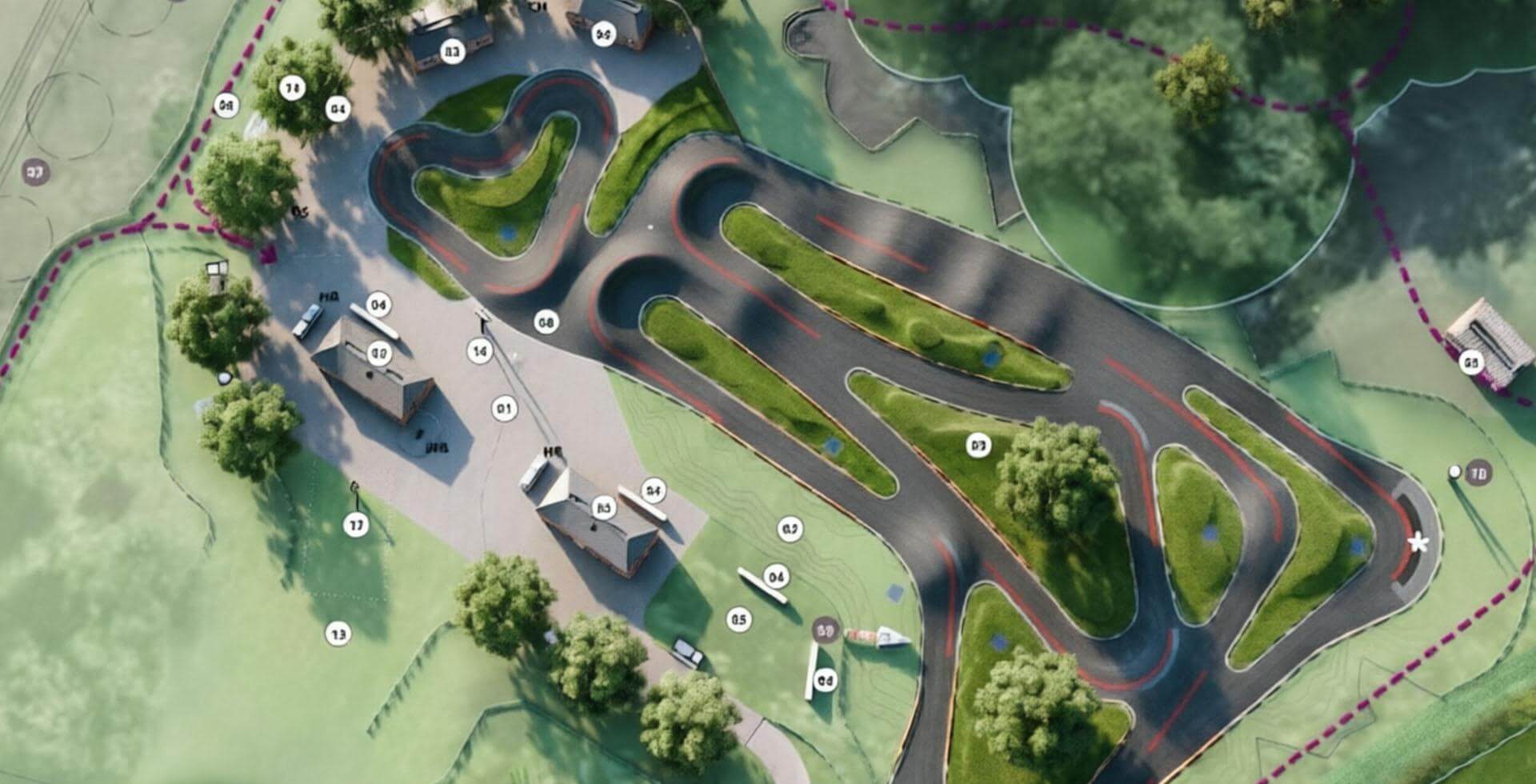
A Technical area may require more explanation at the entrance because riders need to know which features are optional and where stopping is allowed. A Flow loop may need clearer entry spacing because riders can build a rhythm over several laps. In both cases, the operator should decide how beginners, faster riders and spectators share the space. A short rule board, visible direction arrows and a place to wait outside the active line solve practical problems that geometry alone cannot solve.
Über ULTRAPUMPTRACK
ULTRAPUMPTRACK supplies LLDPE modular pump track systems for parks, schools, holiday parks, events and private sites. A project can combine readable Flow sections with Technical features where the footprint, safety clearances and operating plan support it. Buyers should confirm geometry, site assumptions, installation scope, inspection guidance and warranty terms.
Ask each supplier to mark the riding line, beginner route, challenge route, entry, exit, waiting area, spectator zone, emergency access and possible future connection. Compare the same footprint and the same base, drainage, delivery and installation assumptions. Request a written explanation of the intended speed feel and progression, not just a rendered image. The best proposal is the one the owner can operate, inspect and explain to users after the project is handed over.
Abschluss
Choose Flow for readable community movement and repeated laps. Choose Technical for progression, precision and line choice. A modular project can combine both when each zone has a clear purpose.
Häufig gestellte Fragen
Which suits advanced riders?
Technical layouts generally offer more line choice, precision and challenge.
Can both styles share one project?
Yes, when zones have clear purposes, safe separation and suitable progression.
Does Technical cost more?
Not automatically. Geometry, site work, delivery and installation determine cost.


