

Pump Tracks: Sweeping Across America
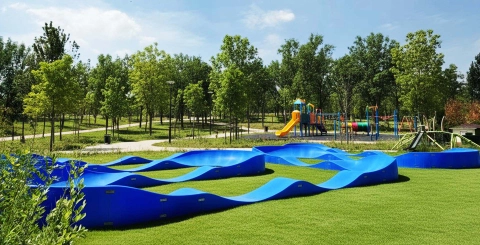
Pump tracks are popping up everywhere in America these days. From bustling city parks to quiet suburban backyards, these looping paths of bumps and turns draw crowds of kids on bikes, teens on skateboards, and even adults looking to relive their glory days. It’s no wonder they’re so popular. They offer a fresh way to get moving without the hassle of pedaling nonstop. In this post, we’ll dive into why pump tracks are taking America by storm, how they’re changing the game for outdoor fun, and what makes them a smart pick for communities and families alike. Whether you’re a parent scouting play options or a park planner hunting for the next big draw, stick around—you might just find your next favorite spot.
The Allure of Pump Tracks: Simple Thrills, Big Impact
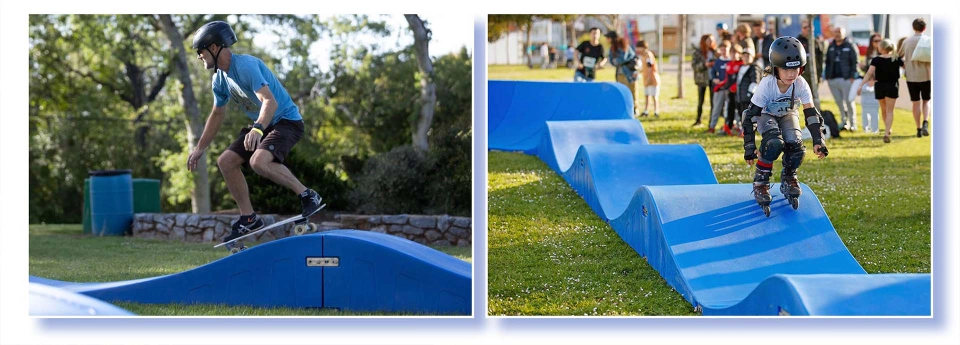
At their core, pump tracks strip away the extras and focus on pure motion. Riders shift their weight, lean into berms, and “pump” over rollers to keep speed going. No flat pedals needed. Just body smarts and a bit of practice. This setup hooks people fast. Kids pick it up in minutes, laughing as they loop around. Grown-ups? They often surprise themselves, rediscovering that rush from simpler times.
What started as rough dirt loops for BMX pros has evolved into something for everyone. Back in the day, these tracks were hand-shaped from soil, fun but fleeting—one good rain and they’d wash out. Now, with smarter builds, they’re holding strong. America’s love affair with them makes sense. We’re a nation hooked on bikes, boards, and anything that gets hearts pumping outdoors. Cities from coast to coast are adding them, turning empty lots into buzzing hubs. It’s not just play; it’s a quiet revolution in how we move and connect.
A Quick History: From Backwoods Trails to Backyard Must-Haves
Pump tracks trace roots to mountain bike races in the ’70s and ’80s. Riders carved natural paths through forests, learning to flow without brakes. Fast-forward to today, and they’re everywhere. In the U.S., the first dedicated ones hit parks around 2000. By the 2010s, demand exploded. Why? Social media clips of endless laps went viral. Families saw safe, skill-building fun. Planners spotted low-cost ways to boost park use.
Take Denver or Austin—spots where pop-up tracks draw lines around the block. Or think smaller: a California dad installs one in his yard, and suddenly the street fills with neighborhood kids. It’s grassroots growth. No fancy gear required. Just wheels and willingness. As more towns catch on, pump tracks aren’t a trend. They’re becoming as standard as swing sets.
Why They’re So Addictive: The Science of the Pump
Ever wonder what makes that glide feel magical? It’s physics in action. When you crest a roller and drop into a berm, gravity and momentum team up. Your body becomes the engine—compress low, explode up. Studies from sports groups like USA Cycling show it builds core strength and balance better than straight-line rides. Short bursts of effort spike endorphins, too. No wonder riders stick around for hours.
For beginners, the loop design forgives mistakes. Crash? You’re back up quick, no big downhill to fear. Pros love the flow challenges—linking jumps or hitting speed records. Across America, this mix pulls in diverse crowds. It’s inclusive. Quiet for some, electric for others. And in a screen-heavy world, that’s gold.
Pump Tracks in America: Hotspots and Heartwarming Stories
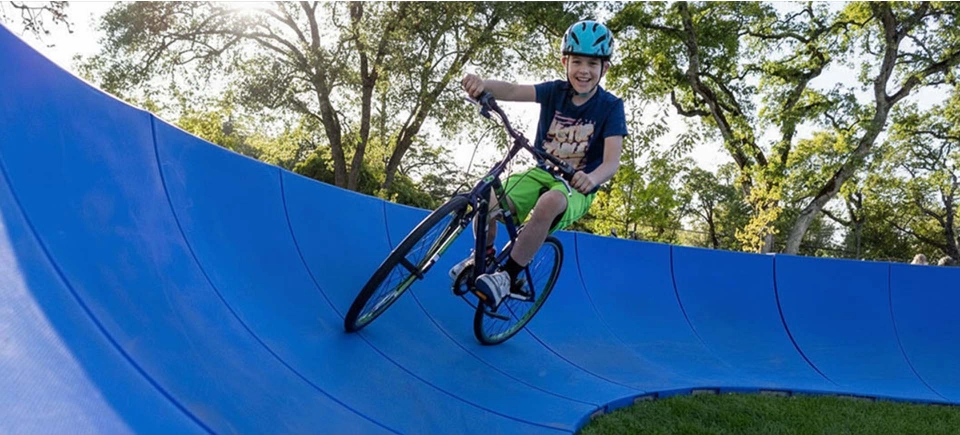
America’s vast landscapes mean pump tracks fit anywhere. Urban concrete jungles? Got ’em. Rolling Midwest fields? Check. Coastal retreats? Absolutely. Their rise ties into our outdoor ethos—think national parks meets neighborhood BBQs. Numbers back it: Park visits jumped 20% in spots with tracks, per recent recreation reports. They’re not just fun; they knit communities tighter.
From East Coast skate scenes to West Coast bike trails, adoption’s swift. California leads with over 200 installs. Texas follows, blending them into ranch-style parks. Even chilly Minnesota boasts year-round versions, proving they’re tough cookies.
Urban Revamps: Turning Cities into Playgrounds
Big cities crave green escapes. Pump tracks deliver. In places like New York or Chicago, they’re squeezed into plazas, drawing office workers at lunch and families after dark. One Chicago spot transformed a forgotten lot into a daily hotspot. Riders of all stripes show up—skateboarders grinding edges, scooter kids zipping lines. Local leaders rave about the vibe shift. Crime dips. Foot traffic soars. It’s proof: a simple loop can spark real change.
These urban gems often start small. A community grant funds the basics. Word spreads. Soon, sponsors jump in for events. Picture a summer series: races by day, glow-stick nights by dusk. It’s alive, electric. And for city kids short on space, it’s a game-changer. No car needed. Just hop on and go.
Backyard Builds: Personal Wins in Private Spaces
Not every track needs a park permit. Home setups are booming. Parents dig the safety—no cars, no strangers. A basic kit fits most yards, turning chores into cheers. One story sticks: a Texas family added one post-pandemic. Their shy son blossomed, inviting friends over. Now it’s weekly races, complete with homemade trophies.
These private tracks build skills at your pace. Start simple, add twists later. They’re forgiving on gear, too—boards and bikes last longer without rough terrain. And resale? High demand means easy flips if life shifts. For families, it’s more than play. It’s bonding. Laughter echoes long after sunset.
Real-Life Wins: Stories from the Ground
Nothing sells like stories. Across America, folks share triumphs. In a British Columbia RV spot—wait, that’s north of the border, but echoes U.S. vibes—a track became the star draw. Campers lingered longer, kids begged for extra nights. Stateside, a Belgian importer (with U.S. ties) rented tracks for events, hauling them cross-state. Pop-ups in Denver plazas pulled 300 riders in days. Quick setup, instant buzz.
Then there’s the residential angle. A California doc built one for his grandkid. “Priceless,” he said. From solo spins to team challenges, it sparked joy. Or Hong Kong’s massive park—global inspo—but U.S. versions mirror it: family zones blending sports and chill. These tales aren’t fluff. They show tracks as bridges—between ages, skills, even strangers.
Why Pump Tracks Shine: Benefits That Stick
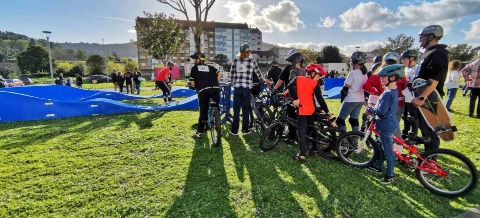
Pump tracks aren’t flash-in-the-pan. They deliver lasting perks. For kids, it’s motor skills on steroids. Balance, coordination, quick decisions—all honed mid-ride. Parents love the no-helmets-needed ease for starters. Communities? They foster ties. A shared track means shared stories.
Health-wise, they’re aces. Short, intense efforts torch calories. Better than gym drudgery. And mentally? Flow state kicks in, melting stress. Schools add them for PE boosts—active bodies, sharper minds.
To break it down, here’s a quick look at how they stack up against old-school play spots:
| Feature | Traditional Playground | Pump Track |
| Skill Building | Basic swings/climbs | Advanced balance/flow |
| Age Range | Mostly under 12 | All ages, adaptable |
| Weather Toughness | Varies, often indoors | Year-round outdoor |
| Social Draw | Group play | Competitive fun |
| Cost Over Time | High upkeep | Low maintenance |
Bullet-point perks keep it real:
- Injury-Smart Design: Smooth lines mean fewer wipeouts than ramps.
- Gear-Friendly: No gouges on decks or frames.
- Eco Angle: Modular builds cut waste, reuse easy.
- Scalable Fun: Tiny for tots, epic for experts.
It’s clear: pump tracks pack punch without the pitfalls.
Getting Started: Your Guide to Pump Track Life
Dreaming of your own? Smart move. Start by sizing space. A starter loop needs 1,000 square feet. Budget? Entry-level runs $10K-$20K, scaling up. Permits? Often none for portables—huge win.
Picking Materials: Durability Without Drama

Dirt’s cheap but needy—rains ruin it. Wood warps fast. Concrete lasts but locks you in, pricey to boot. Plastics? Game-changer. Tough against sun, rain, freezes. Light, too—haul by truck, not crane. They grip without scratching gear. Colors pop, staying bright years in.
Injection-molded ones lead the pack. Consistent shape, quick builds. No slips in wet. And assembly? Basic tools, hours not days. It’s DIY-friendly, pro results.
Setup and Care: Easy Does It
Install’s a breeze. Snap modules like Legos. Level ground, bolt down. Done. Maintenance? Sweep leaves, hose mud. No weekly fixes. Warranties stretch five years, covering defects. Near coasts? Shorter, but still solid.
For events, portability shines. Load up, roll out. Urban demos or yard parties—flexible as you need.
Spotlight on ULTRAPUMPTRACK: Your Go-To for Quality Tracks
When it comes to sourcing a reliable pump track, ULTRAPUMPTRACK stands out as a trusted supplier with deep roots in the game. Born from a crew of cycling fans who cut their teeth on dirt builds, they’ve honed modular plastic systems that hit the sweet spot: tough, simple, and built for real life. From backyard starters to community beasts, their setups blend innovation with everyday ease. It’s the kind of partner that gets the thrill—and delivers without the headaches.
Wrapping It Up: Join the Pump Track Wave
Pump tracks are more than a fad sweeping America. They’re a smart, joyful fix for our need to move, connect, and play. Whether sparking a kid’s first solo lap or packing a park with weekend warriors, they deliver. As more spots light up from sea to shining sea, the message is clear: hop on. The flow waits for no one.
Frequently Asked Questions
How do pump tracks work, and why are they so popular in America?
Pump tracks let you build speed by shifting your body weight over bumps and turns—no pedaling required. It’s all about that smooth “pump” motion. They’re blowing up across America because they’re easy to jump into, fun for every skill level, and turn any space into an adventure zone.
What makes a good pump track material for American weather?
Look for stuff like durable plastics that shrug off rain, heat, and cold. These hold up through Midwest storms or California sun, keeping the fun rolling year-round without constant fixes.
Are pump tracks just for kids, or can adults get in on the action too?
Absolutely not just for kids! Adults love them for quick workouts or stress-busting rides. Their popularity in America spans generations—families ride together, building skills and memories side by side.
How much does it cost to add a pump track to a community park?
Costs vary by size, but starters hover around $15,000. Factor in low upkeep, and it’s a bargain. Many U.S. towns fund them through grants, seeing the payoff in happier, healthier crowds.
Can I set up a pump track in my backyard?
Sure can! Modular designs fit most yards and assemble fast. It’s a hit for personal use, drawing friends over and giving endless play without the park crowds.


