

Green Pump Tracks Smart Urban Spaces for Sustainability and Active Communities
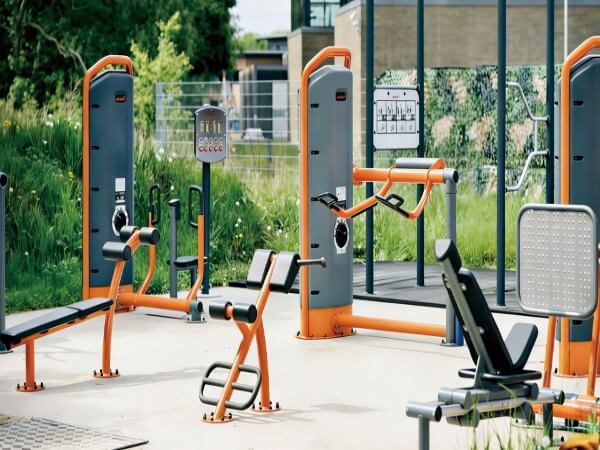
City planners and local governments feel more pressure these days. They need to build public spaces that do several things well. These spaces promote health. They support community life. They bring real benefits for the environment. They also use land in a smart way. Pump tracks turn into one of the best answers for this mix. They become much more than simple recreation spots. Good designs for pump tracks use surfaces with grip instead of smooth ones. They play a real part in green city growth. They also help cities use space well.
What Is a Pump Track and Why It Matters to Cities
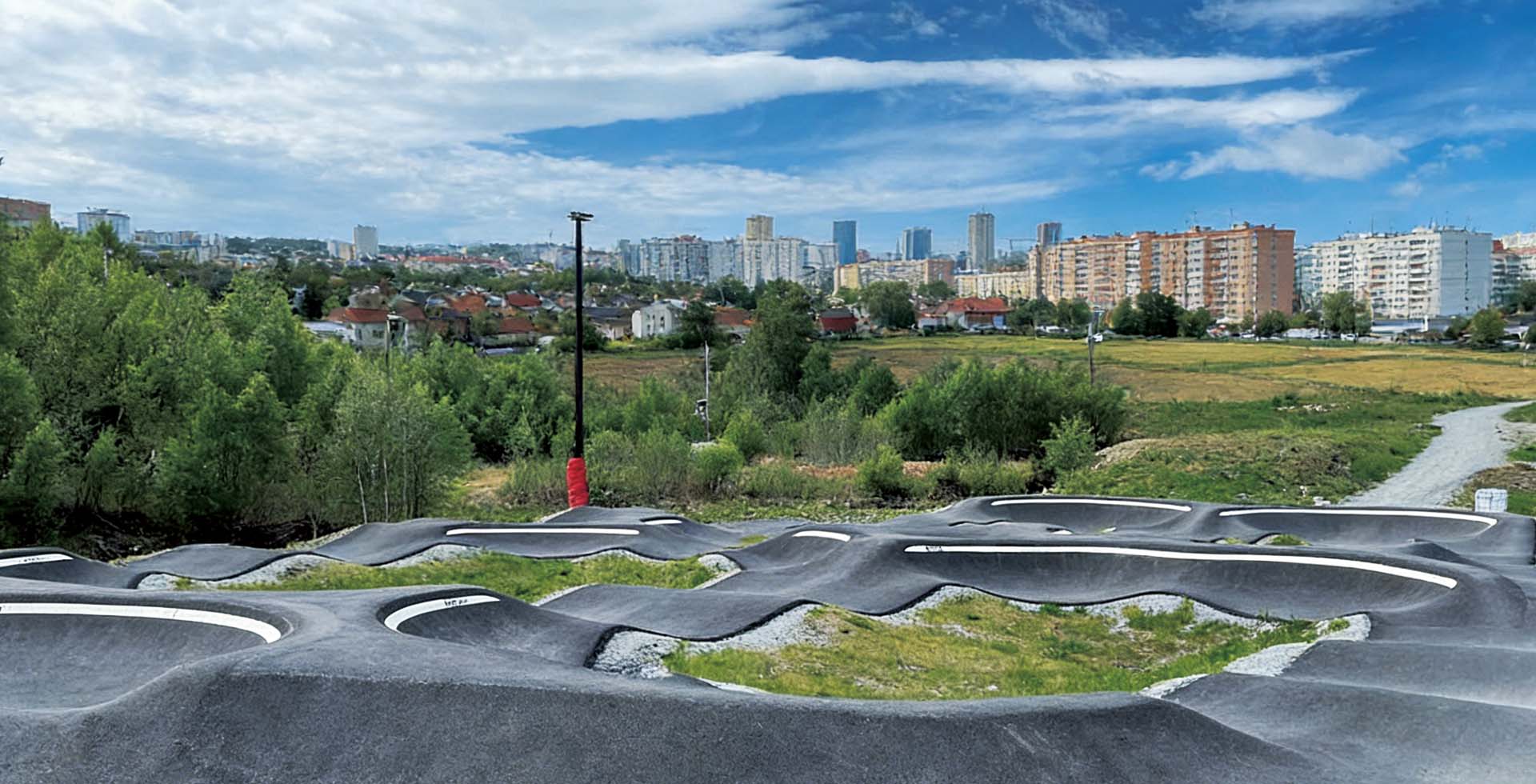
A pump track forms a closed loop of wavy ground. It has banks, rollers, and berms. Riders move along it with a pumping action. They do not need to pedal. Designers make it for bikes. It works for skateboards too. Scooters fit on it. Even wheelchairs can use it. Pump tracks get people to ride again and again. They differ from regular skateparks or single-use sports courts. A pump track serves many ages and skill levels.
The surface on a strong pump track has texture on purpose. It gives good grip. Riders stay in control. Safety stays high even when it rains. This differs from smooth areas in plazas or skateparks. Those spots turn slippery in wet weather. They limit how often people can use them.
In green city planning, pump tracks bring value in many ways. They get people moving every day. They build social ties. They make smart use of city land. They also help the environment.
Environmental Benefits of Pump Track Design
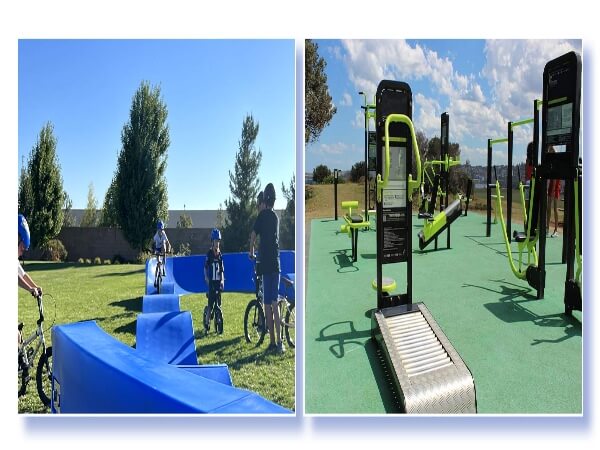
Pump tracks match well with green land care and smart city plans. Their surfaces need little care. Textured or paved options keep grip without frequent fixes. They avoid weak materials that break fast. Bare dirt or loose gravel wears away over time. Strong surfaces last longer. They cut down on resource use in the long run.
These tracks need almost no water. Turf or planted plazas require regular watering. Pump tracks skip that step. This saves a lot of water. It matters most in dry areas. When planners add permeable edges or nearby plant strips, the tracks help water soak into the ground. They ease pressure on city drain systems.
All these points together make pump tracks a solid choice for green city spending. They mix social good, green gains, and smart space use.
How Pump Tracks Help Greener Cities
It helps to compare pump tracks with older city play areas. This shows why they fit green goals so well.
Comparison of Urban Recreation Spaces
| Feature | Standard Skatepark | Soccer Field | Pump Track |
| Space Requirement | Large, one-use | Very large | Compact, high-value |
| Water Use | None | High (for turf) | None |
| Maintenance | Medium | High | Low |
| Accessibility Across Ages | Moderate | Limited | High |
| All-Weather Usability | Surface dependent | Weather sensitive | High (slip-resistant surface) |
This table makes clear that pump tracks offer special pluses. Cities can meet green targets and community needs at the same time. They take less room than big sports fields. Yet they serve more people of all ages.
Supporting Mental Health Through Play
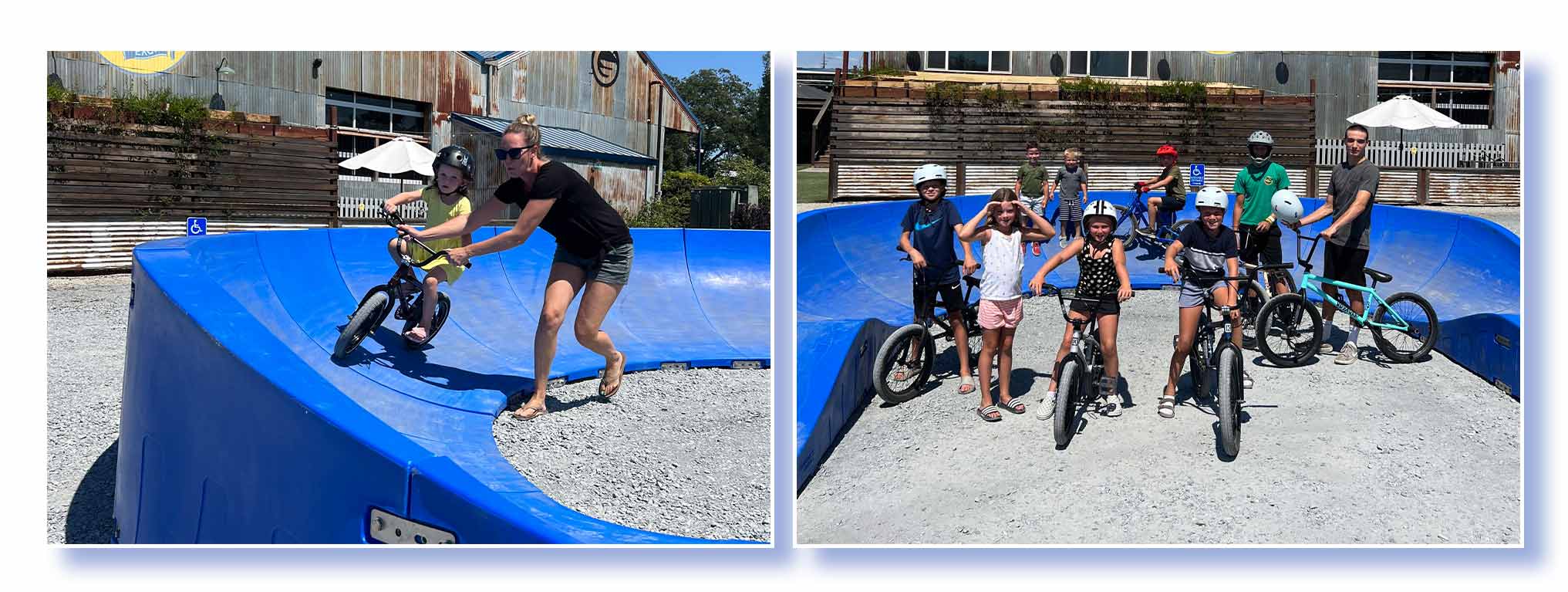
Many neighborhoods still rely on cars. Pump tracks change that in a quiet way. A person might ride a bike to the store. The track loop joins a bigger path system. As cities add more bike lanes, pump tracks fill the gaps. They link active travel routes.
Play matters for everyone, not just kids. Movement in fun spots eases stress. It sharpens the mind. Pump tracks offer lively ground and safe conditions. They draw all kinds of people. Folks enjoy playful motion instead of strict workouts.
Now let’s look closer at how to build these tracks for the best results.
Designing Pump Tracks for Maximum Community and Environmental Benefit
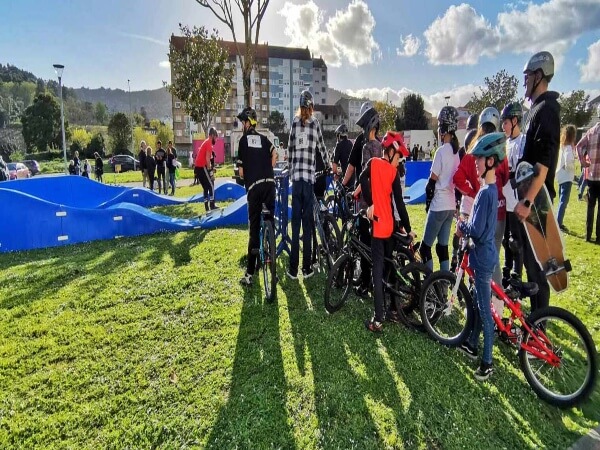
Good pump tracks do more than fill empty ground. They act as planned city features. They match what locals need and what the land allows. Certain design ideas bring clear wins.
Prioritize Multi-Use Accessibility
A strong pump track opens the door to many users. Kids learn balance there. Teens build skills. Adults ride bikes or boards for daily movement. People with special needs find inclusive fun. Surface texture matters a lot. A grippy, slip-resistant top helps wheels in all weather. It raises how often people show up each day.
Integrate with Streets and Trail Networks
Planners should place tracks near bike paths, walking routes, or bus stops. This boosts use. People visit more when the spot feels part of their normal day. They avoid hidden spots behind unrelated buildings.
Include Natural Elements
Trees for shade, benches, and local plants improve the area. They cool the city heat. The track surface stays clear for riding. But the green edges support city wildlife and make the space more pleasant.
Site Selection: Where Pump Tracks Work Best
Pump tracks fit many city spots. They bring strong results in the right places.
Pocket Parks and Neighborhood Squares
Small lots often cannot hold full sports fields. A pump track turns these areas into useful community spots. Its small size changes unused land into a busy place.
School Campuses
Schools can add a pump track beside play areas or gym zones. Students gain a flexible spot for movement all day. Land-tight schools gain the most from the compact layout.
Transit Hubs and Mixed-Use Developments
Pump tracks liven up areas near train stops or mixed buildings. They push walking and biking. They make streets feel safer and more alive.
ULTRAPUMPTRACK: Supporting Sustainable Urban Recreation
ULTRAPUMPTRACK serves as a worldwide pump track supplier. It has years of experience with custom solutions for public and private groups. The team knows design, surface tech, and community needs. ULTRAPUMPTRACK helps cities create tracks that last for years.
Key strengths of ULTRAPUMPTRACK include customized plans that match local land, user goals, and space limits. It offers slip-resistant surfacing built for long life, safety, and daily use in any season. Full help runs from site planning to final build. This ensures the track joins larger city paths. Past projects show high use rates and happy locals.
By sticking to practical, friendly, and tough pump track options, ULTRAPUMPTRACK backs city aims for active life, green care, and wise land use.
Conclusion
Cities grow denser every year. The need for green public spaces rises too. Pump tracks stand out as a flexible, smart, and helpful answer. Their small size, light impact on nature, and wide appeal make them perfect for busy towns. They push active habits while they stretch limited land.
Smart planning matters most. Focus on slip-resistant surfaces and links to transport and play networks. This delivers value that lasts. Groups like ULTRAPUMPTRACK make it easier. They supply custom, high-grade pump track designs for many settings.
With steady attention to green living and smart space use, pump tracks will grow more important in lively, healthy cities.
Frequently Asked Questions
What makes a pump track surface different from typical paved areas?
A pump track surface gets built with texture for grip. Riders keep control when they move fast over rollers and berms. Smooth pavement may look nice. But it turns risky in rain. It cuts down on safe use time.
Can pump tracks be used by people of all ages and abilities?
Yes, they can. Smart designs add features for beginners and experts. Adaptive users join in safely too. Different path choices let everyone move up at their own pace. No one feels left out.
How much space does a typical pump track require?
Pump tracks come in many sizes. A small community version fits inside the space of a tennis court. Bigger layouts serve more skill levels. They still stay small when you compare them to regular fields.
Do pump tracks help cities meet environmental goals?
Pump tracks support green aims in clear ways. They use almost no water. Strong surfaces stop erosion. They join green features like soak edges and plant strips. This aids city water flow.


