

How Pump Tracks Build Balance and Coordination in Kids
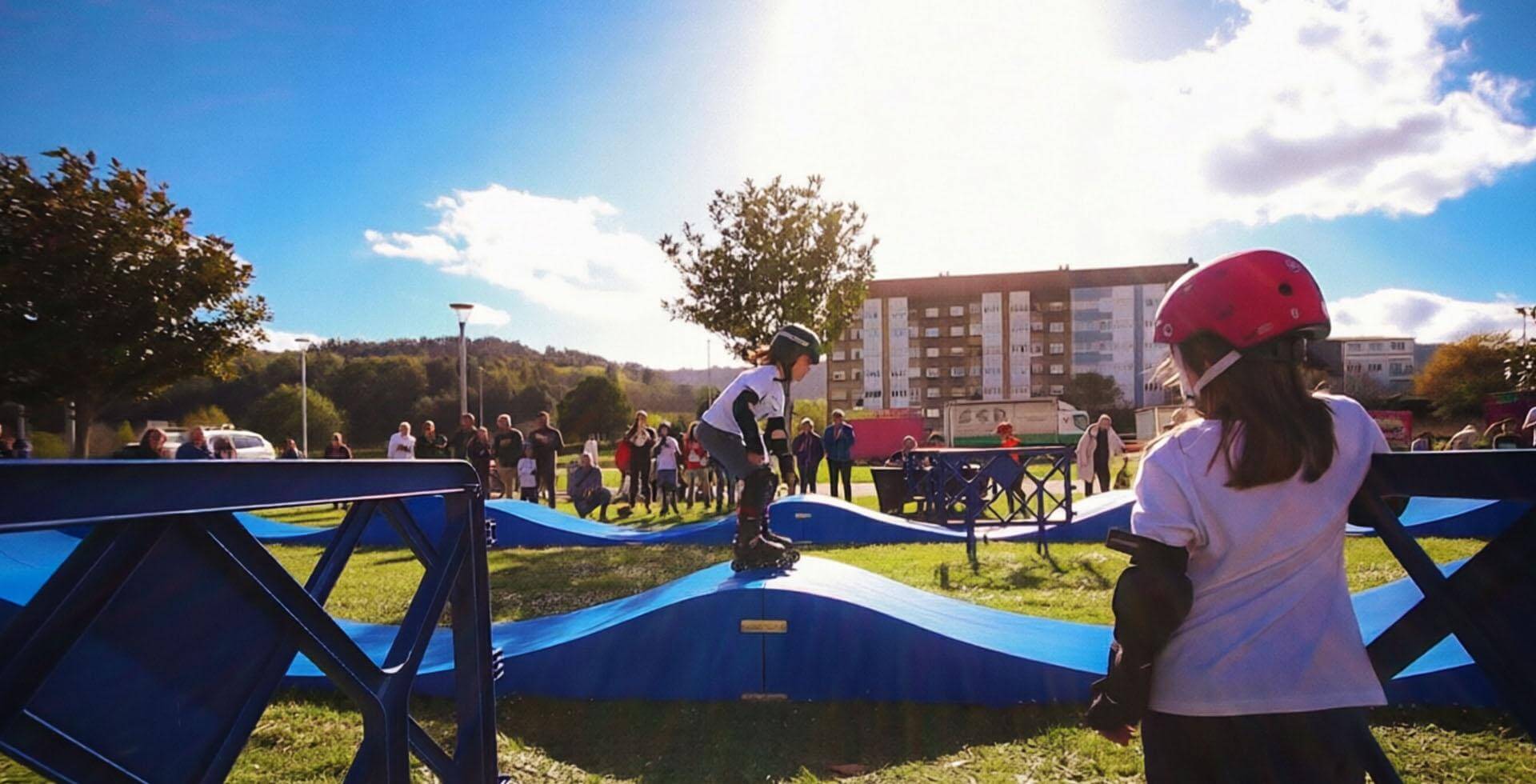
Children do not think about movement drills when they ride. They think about the next roller, the turn ahead, and finishing another lap. That is why pump tracks for kids work well as active play spaces: practice happens naturally.
A pump track requires the young rider to think ahead, move the body, steer the bike, and respond to changing ground conditions. Every loop provides minor adjustments which could contribute towards balance, coordination, biking skills, and confidence. In schools, playgrounds, and community centers, the selected kids’ pump track becomes a recreational spot with frequent repeat visits.
What Is a Pump Track?
The pump track consists of rollers, banked turns, and inter-connected areas. Instead of using only their pedaling force, the riders get the momentum by pumping. They crouch as the wheels go up the roller, pass through the bike/scooter, and then straighten up while the track goes down.
The children have to control the speed, navigate through the design, keep the wheels on the path, and time the movements. Balance bikes, pedal bikes, BMX bikes, scooters, and skateboards can use the pump track if the site allows.
Good quality modular pump track surface is rough and non-slippery. The surface provides better traction for the wheels, but it should be cleaned from the sand, leaves, stones, and puddles of water.
How Pump Tracks Help Children Develop Balance and Coordination
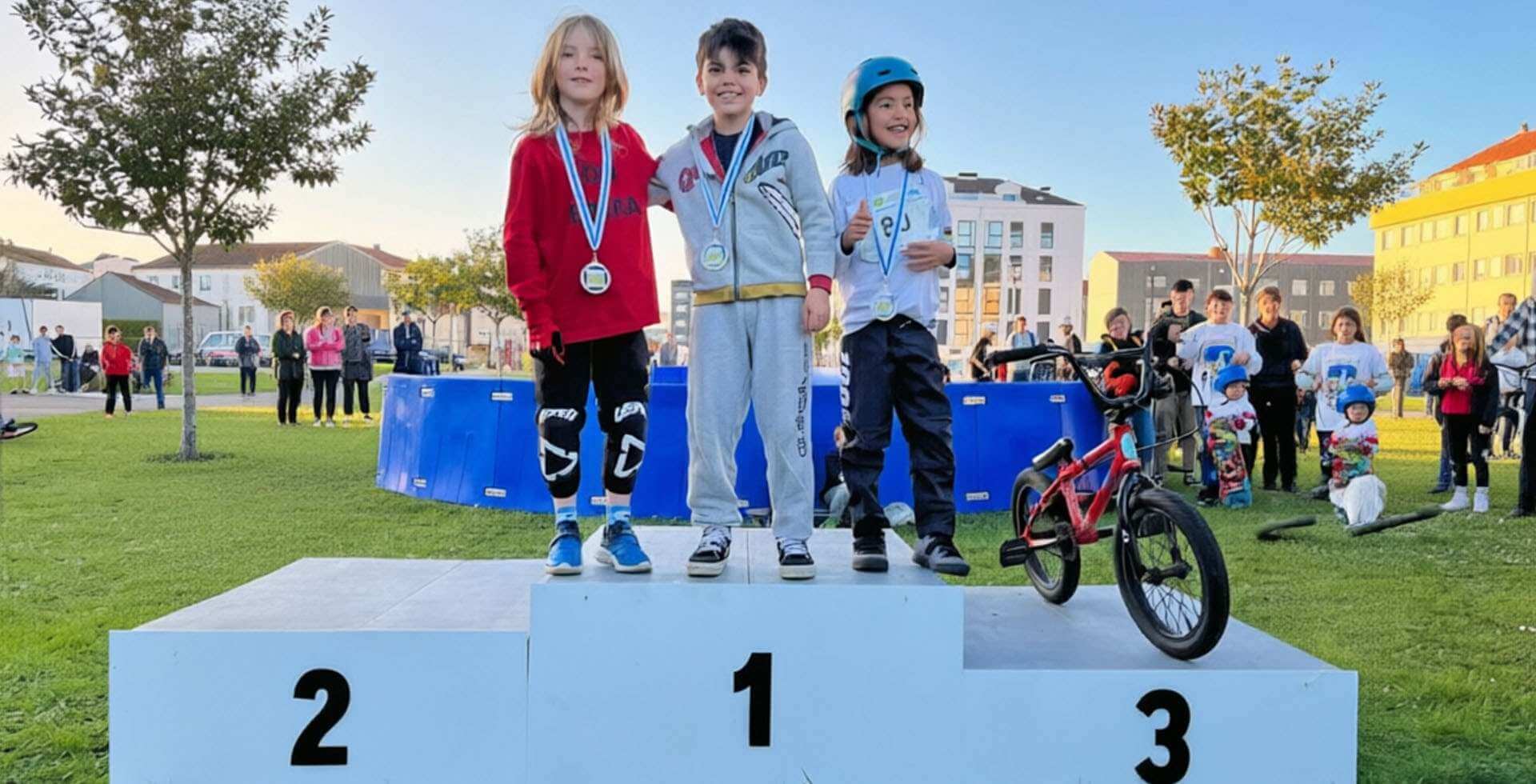
Balance and coordination involve posture, vision, timing, steering, and decision-making. Pump track riding brings these actions together, with immediate feedback after every movement.
Rollers Train Dynamic Balance
Riding through rises and dips calls for dynamic balance. A child’s center of gravity changes as the front wheel climbs, crosses a crest, and drops into the next section.
A stiff posture often makes the ride awkward. A more relaxed rider bends the knees and elbows, keeps the head up, and shifts weight with the terrain. Repeated weight shifting builds body awareness. Children begin to feel when their position moves away from the intended line.
Better timing carries the rider forward; poor timing reduces momentum. That clear cause and effect makes balance practice easy to repeat without turning it into a formal lesson.
Pumping Connects the Whole Body
Over several rollers, the arms guide the handlebar, the legs absorb and press, the hips move vertically, and the core keeps the upper body stable enough to look ahead.
These actions must happen in sequence. Pressing too early or extending too late changes the rhythm. With practice, a child links separate movements into one flowing pattern.
This supports gross motor skills, bilateral coordination, rhythm, timing, and movement sequencing. It also shows that speed does not come only from harder pedaling.
Berms Develop Steering and Hand-Eye Coordination
A berm asks the rider to identify the turn, choose a line, set an appropriate speed, steer, and lean while watching the exit.
The eyes lead the movement. When children look toward the path ahead instead of down at the front wheel, their hands and body prepare earlier. This link between visual tracking and steering supports hand-eye coordination and riding control.
A beginner may steer too sharply and lose speed. After several laps, the rider may follow a wider arc and exit in a better position. Progress comes from small adjustments.
Changing Features Build Motor Planning
Motor planning means deciding how the body should move before movement begins. A roller calls for bending and pressing. A berm may require a slower entry and controlled lean. Another rider ahead may mean waiting or reducing speed.
These choices involve spatial awareness, reaction time, line choice, and distance judgment. Speed, entry position, and traffic change, giving children many chances to plan and adjust.
Skills Children Practise on a Pump Track
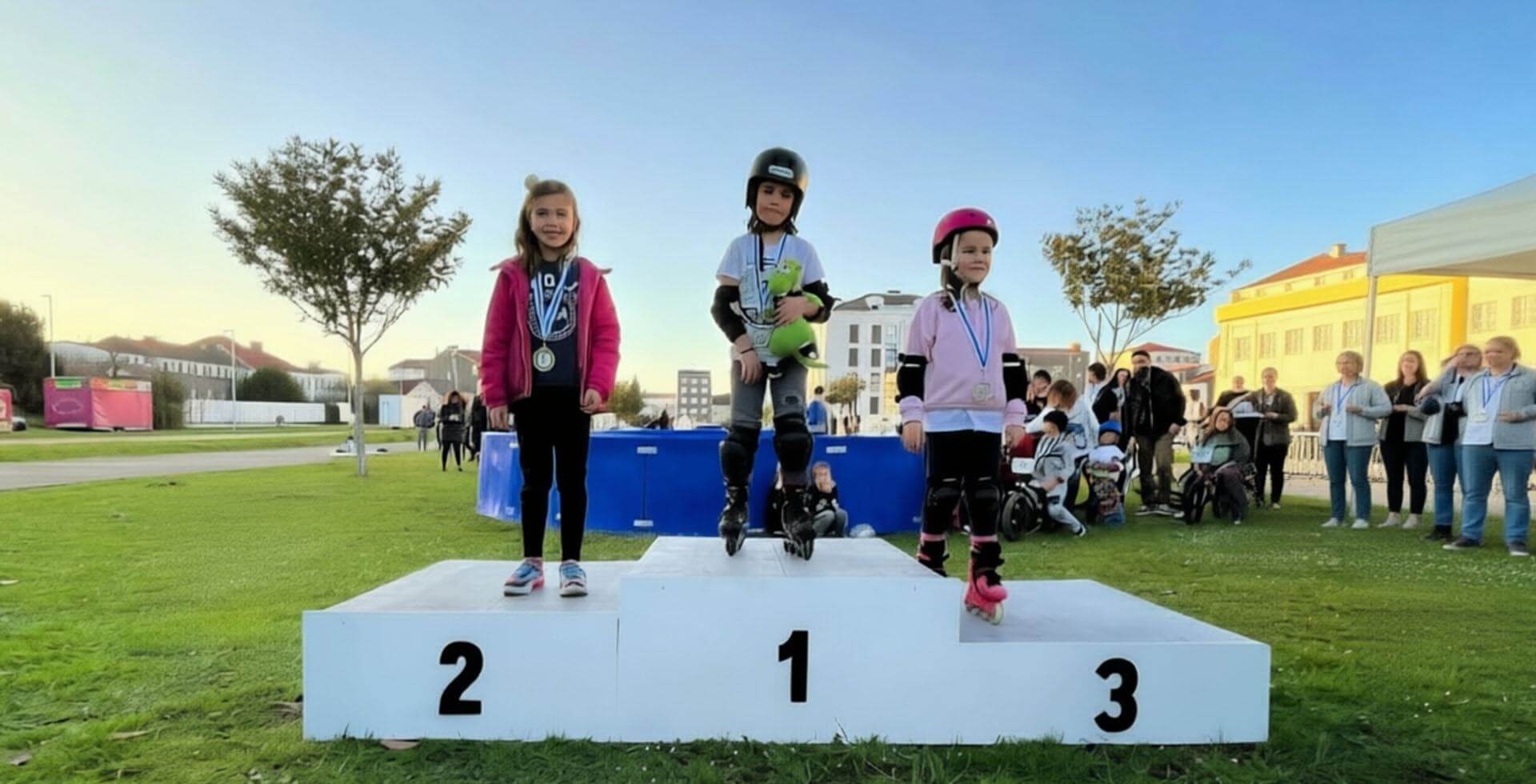
The benefits become clearer when track features are linked to real riding situations.
| Track feature | Skill being practised | Everyday riding connection |
| Repeated rollers | Dynamic balance and body control | Staying stable on uneven paths |
| Banked turns | Steering and hand-eye coordination | Cornering with control |
| Speed changes | Braking judgment and reaction time | Slowing before obstacles |
| Linked features | Rhythm and motor planning | Preparing for terrain changes |
A pump track does not replace instruction, supervision, or stopping practice. It provides a focused place where these skills can be repeated within a short loop.
Benefits Beyond Riding Technique
Pump track benefits for children extend beyond mechanics. Completing two rollers or taking a turn with better control gives a visible sign of progress.
The activity is self-paced. One child may roll on a balance bike while another practises pumping without pedaling, provided traffic flow is managed.
Regular active play can encourage:
- More outdoor physical activity
- Greater cycling confidence
- Patience through repeated attempts
- Awareness of spacing, direction, and turn-taking
- Physical literacy across biking, scootering, and skating
Choosing a Beginner Pump Track for Children
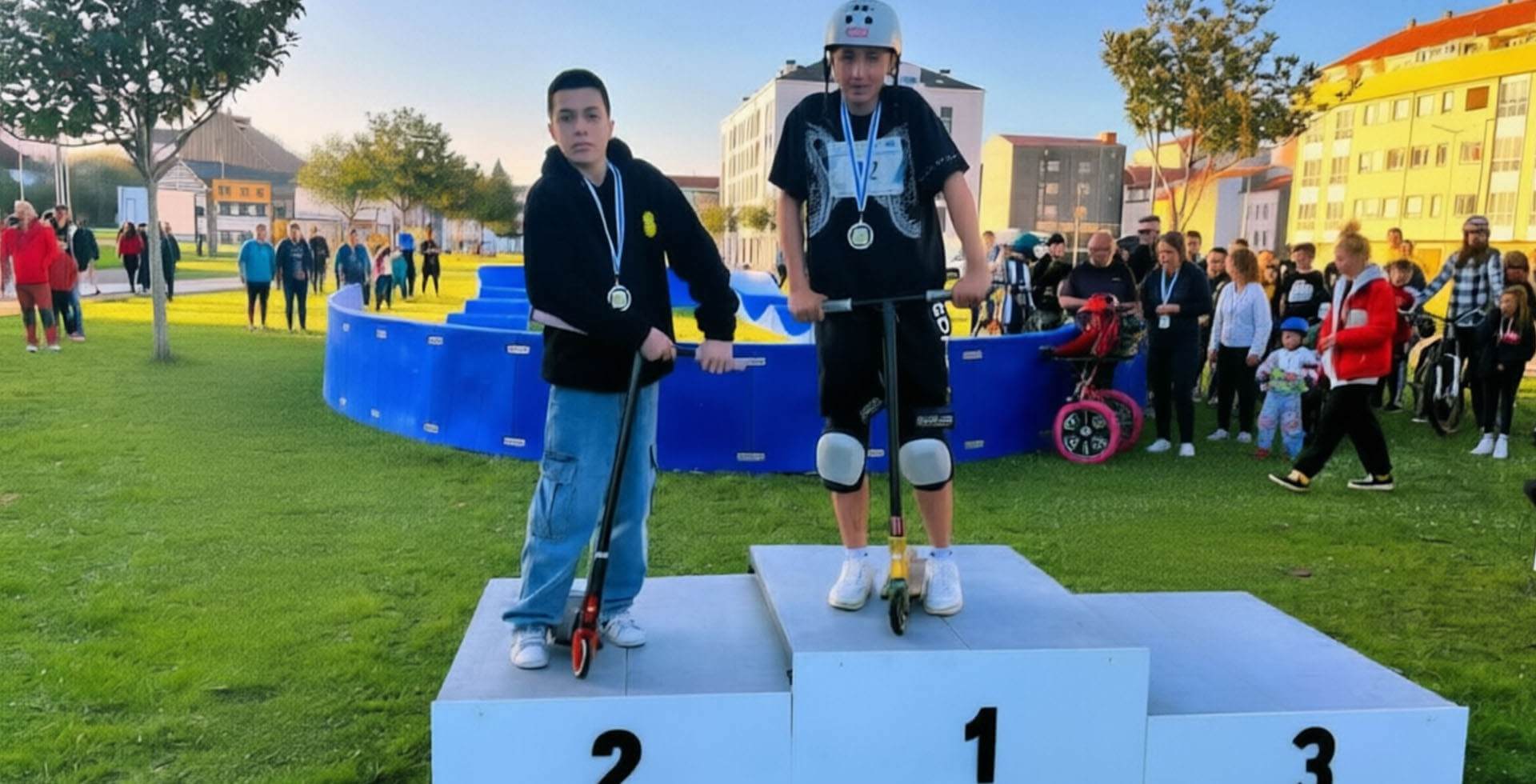
The best pump track for kids is not automatically the largest. The right choice depends on age, riding experience, space, traffic, and future plans.
ULTRAPUMPTRACK offers layouts for different stages. Pump Cycle 1 has three rollers, a 12.5-meter track length, and a 12.5-by-1.2-meter footprint. It lets younger riders practise without managing turns.
Dynamo adds seven rollers and two turns. Speed Dome has three turns, two directions, and a tabletop. Stellar offers four turns, ten rollers, and a larger interior area. Rampage combines elements for mixed skill levels.
Before selecting a pump track for schools or parks, planners should check:
- Flat usable area, drainage, and safety buffers
- Clear entry, exit, and waiting zones
- Sightlines for parents, teachers, or staff
- Rider ages, wheel types, and likely capacity
- Options to move, reconfigure, or expand the track
Pump Track Safety Tips for Young Riders
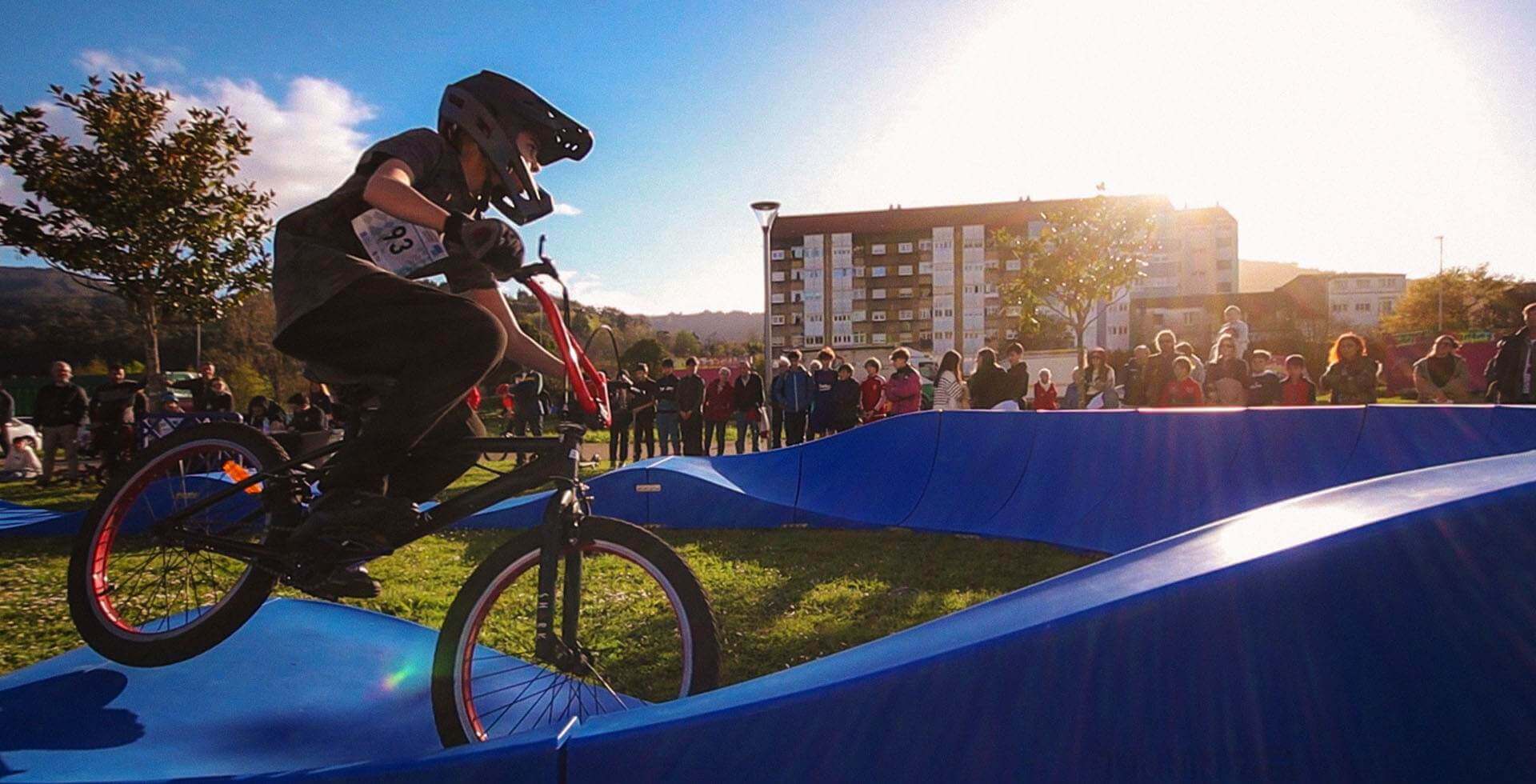
Even a child-friendly pump track needs clear rules. An anti-slip surface adds grip, but it cannot prevent problems caused by poor spacing, excessive speed, debris, or unsuitable equipment.
Young riders should wear a fitted helmet and closed-toe shoes. Check tires, handlebars, wheels, and brakes where fitted. Beginners should start slowly, stop away from the riding line, and follow one direction.
Adults or staff should remove leaves, grit, stones, and litter before use. Riders need space between them. After rain, inspect the track and access area before children ride.
About ULTRAPUMPTRACK
ULTRAPUMPTRACK is a modular pump tracks supplier offering plastic systems for bikes, balance bikes, BMX, scooters, and skateboards. Its range covers compact, entry-level, and larger combination layouts for public and private recreation sites.
The modular approach allows sections to be added, removed, relocated, or arranged around site space and budget. ULTRAPUMPTRACK uses LLDPE material for outdoor durability and provides an anti-slip riding surface rather than a smooth surface. Layout planning, customization, shipping support, and project guidance are available.
Conclusion
Pump tracks help children practise balance and coordination through real movement. Rollers train weight shifting, berms sharpen steering, and changing features develop timing and motor planning. When the layout matches its users and the site is managed well, a modular pump track can turn a compact area into a practical space for active play and progressive riding.
FAQs
Are pump tracks good for kids?
Yes, when the layout matches the child’s ability and the session includes suitable equipment, clear rules, and supervision. Pump tracks for kids provide repeated practice in balancing, steering, looking ahead, and controlling speed.
Do pump tracks improve balance and coordination?
They give children chances to practise dynamic balance, full-body coordination, weight shifting, and hand-eye coordination. Skill develops through regular, gradual practice rather than one session.
Can young children use a balance bike pump track?
A balance bike pump track can suit children who control their bike, follow basic directions, and stop safely. A straight layout with gentle rollers is usually easier to begin with.
Is a modular pump track surface smooth?
No. The riding surface should be textured and anti-slip, not smooth or glossy. Grip supports predictable wheel contact, but the surface must still be cleaned and checked.
What should a school check before installation?
Review space, drainage, rider flow, supervision points, safety buffers, equipment rules, age groups, maintenance routines, and possible future expansion before choosing a kids pump track.


