

Why Communities Are Adding Pump Tracks
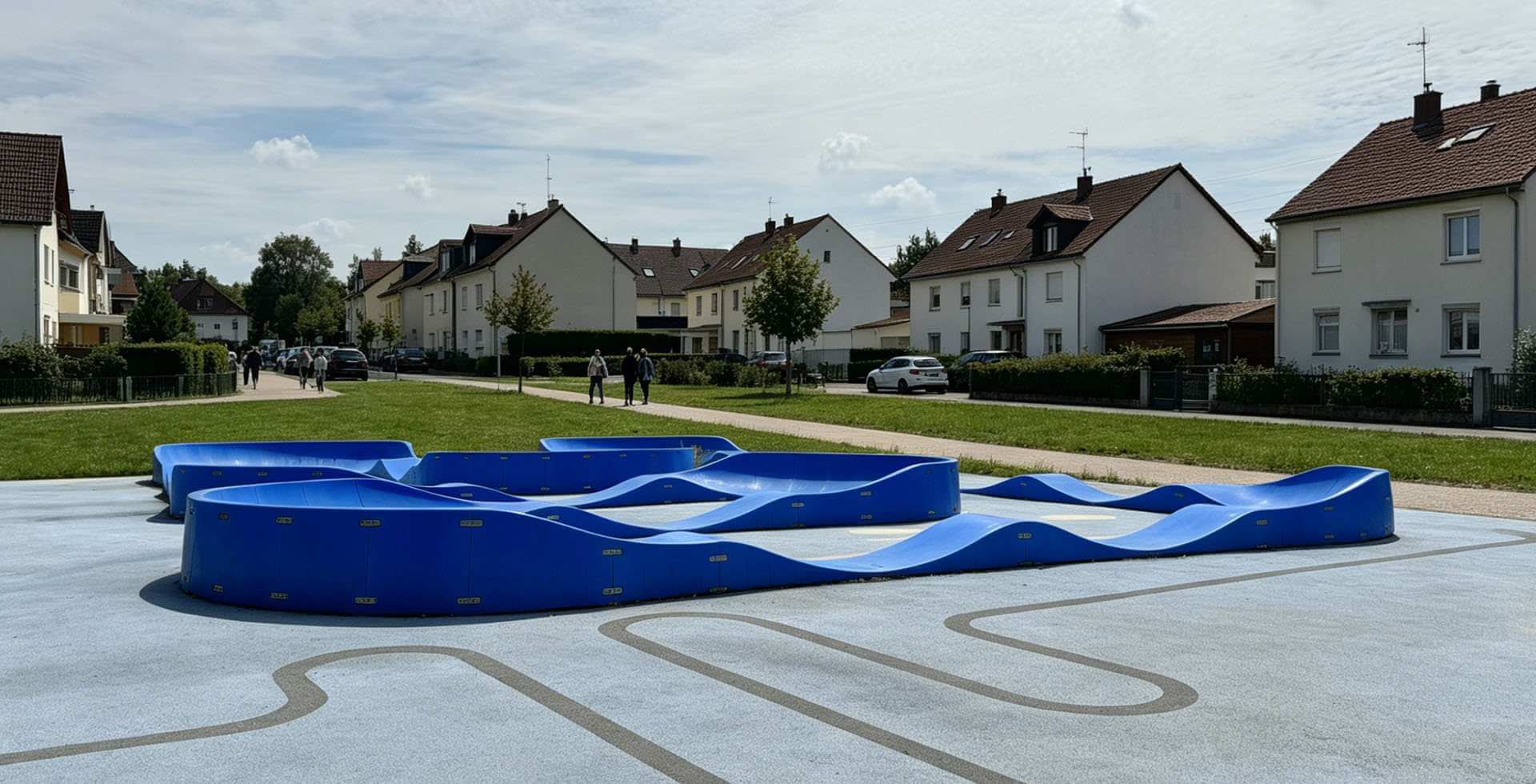
Planned neighborhoods now face judgment beyond lot size, home style, or park count in site plans. Buyers seek spots where everyday life stays lively, social, and simple. For land and property builders, this shifts the function of a neighborhood feature. It goes beyond filling empty areas. Instead, it aids folks in connecting, exercising, lingering, and recalling the effort.
This explains why the pump track feature grows as a solid option for current housing projects. A modular pump track draws bikes, scooters, skateboards, balance bikes, and roller skates into one common outside play area. It fits kids, youths, parents, and fit grown-ups. Even better, it lends planned neighborhoods a clear living style element that seems new, useful, and very practical.
What Makes a Pump Track Different from Traditional Community Amenities?
Numerous neighborhoods already offer playgrounds, grass areas, paths, game courts, and gathering halls. These spots prove helpful, but each typically handles a limited task. A pump track brings a fresh kind of action since it relies on motion, ability, and welcomes broad user types.
A pump track forms a circular riding path built with rollers, banks, bends, and smooth parts. Riders gain pace by moving body weight rather than steady pedaling. Thus, it builds an enjoyable, easy-entry task that suits quick daily trips, family weekends, youth programs, or group gatherings.
More Than a Bike Facility
A usual error views a pump track as just for BMX riders. In actual neighborhood setups, it draws:
- Children learning balance on small bikes
- Teens riding scooters or skateboards after school
- Parents riding with younger children
- Fitness-focused adults looking for active outdoor time
- Beginners who want a safer place to build confidence
This broader user group renders a pump track for planned neighborhoods more adaptable than a single-task game court. A basketball court mostly aids basketball players. A tennis court aids tennis users. A pump track aids various wheel tasks in one small area.
A Daily-Use Amenity, Not a One-Time Attraction
Certain features appear striking in flyers but remain still post-move-in. A fine neighborhood feature should back daily routines. A pump track handles that effectively since folks can employ it for 10 minutes or an hour.
A kid might ride prior to supper. A youth might join pals there after classes. A household might stop by on Saturday morn before strolling to a close café or park. These brief instances count. They shift a housing project feature into a vital neighborhood element.
Why Are Master-Planned Communities Adding Pump Tracks?
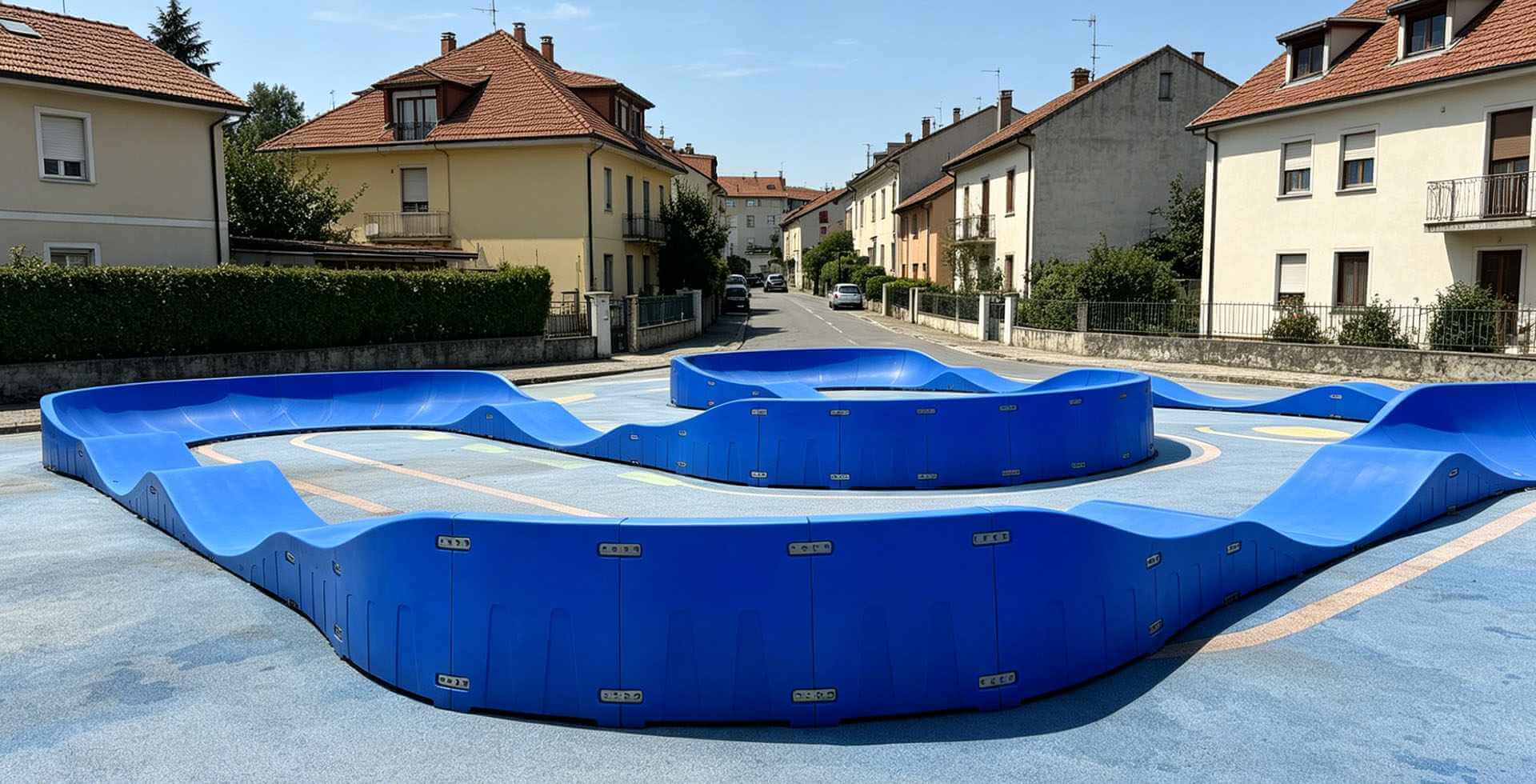
Big planned neighborhoods vie on living style. Buyers match not just houses, but also the neighborhood vibe. Parks, paths, water spots, school reach, and outside fitness zones all form that vibe. A pump track matches this change since it grants the neighborhood a plain active living mark.
For builders, the draw stays straightforward: the setup proves simple to describe, simple to snap photos of, and simple for dwellers to employ. It also bridges playgrounds and team sports.
It Helps Developers Sell a Lifestyle, Not Just Homes
A planned neighborhood often requires a clear tale. Does it favor families? Is it energetic? Does it center on youth? Is it built for outside living?
A pump track aids those queries through sight. It displays the effort as not merely a living spot, but a spot for action. In sales items, overhead shots, open-home occasions, and online posts, a pump track can swiftly share motion, vigor, and group life.
This holds special use for property builders seeking young families and energetic buyers. Many households desire kids to pass more time outside, but they seek tasks near home. A pump track forms that “close adventure” sans driving to a far sports park.
It Fills the Gap Between Playgrounds and Sports Courts
Playgrounds matter, but they often target young kids. Game courts aid, but they typically serve older folks or those keen on that game. A pump track rests between these groups.
It can greet starters while keeping fun as abilities grow. A young kid might begin with slow balance-bike rounds. A youth might later employ the same area for quicker paths and tighter bends. This wider age span lends the feature more vitality over the project life.
How Can a Pump Track Increase the Appeal of a New Residential Development?
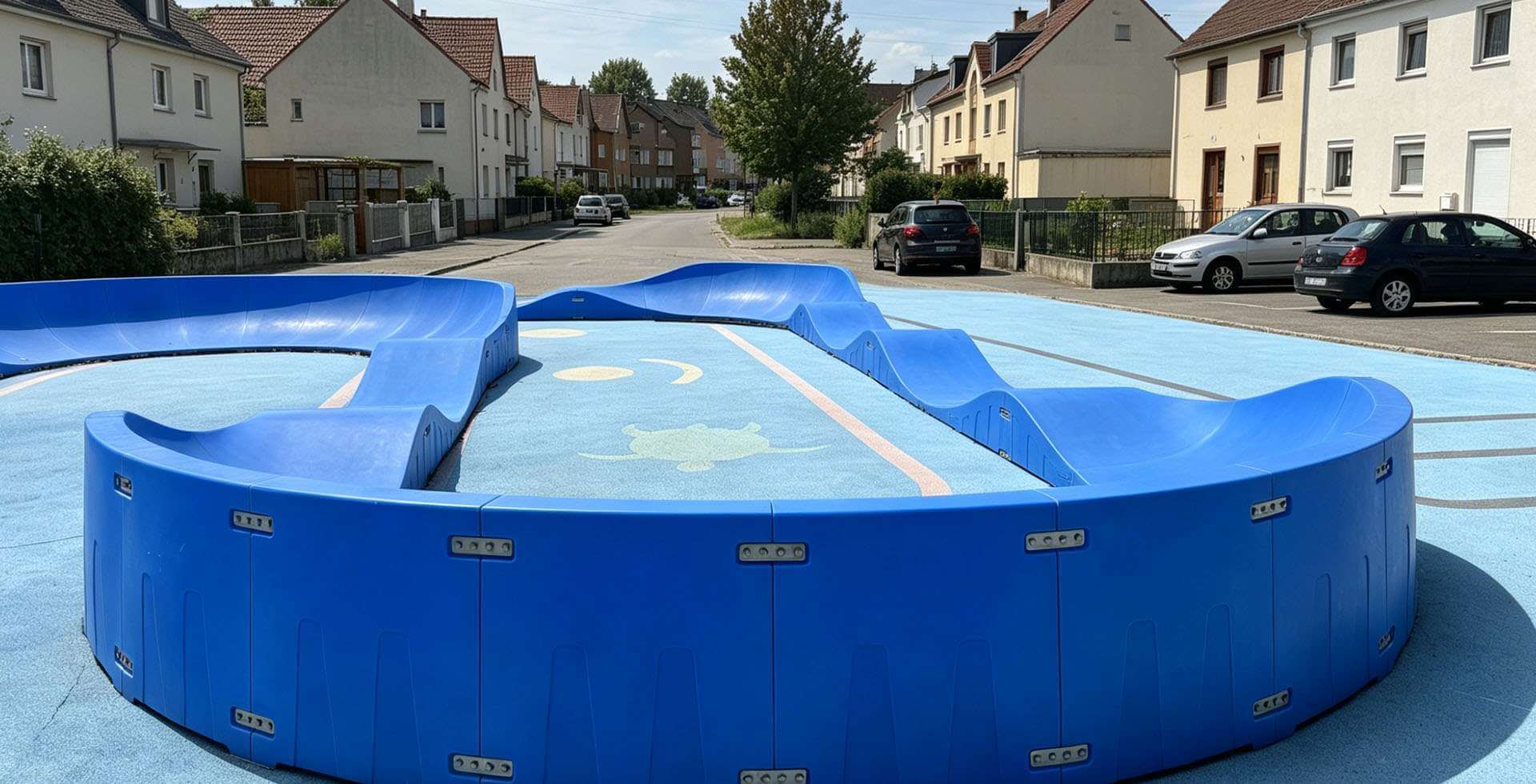
Each builder seeks features that folks spot on site tours. A pump track stays highly noticeable and busy. It grants possible buyers a firm cause to envision their household using the neighborhood, not just dwelling in it.
A robust housing project feature should also back the sales path. It can aid buyers in recalling the effort after touring several rival neighborhoods in one week.
Strong Visual Value for Project Marketing
Pump tracks prove naturally picture-friendly. Bent lines, active riders, vivid outside views, and household action all suit marketing items well. A brief clip of kids riding post-school may convey more on group life than a lengthy feature list.
For sales hubs, this counts. A pump track near a park, path, or open grass can join the visitor path. During a debut weekend, family gathering, or neighborhood open day, it grants folks something busy to view and test.
Stronger Appeal to Families and Active Buyers
Households often pose practical queries before purchase:
| Buyer concern | How a pump track helps |
|---|---|
| Are there outdoor activities for kids? | Creates an everyday riding space close to home |
| Will teens have somewhere to go? | Gives older children an active social spot |
| Is the community family-friendly? | Shows clear investment in youth and outdoor life |
| Are amenities easy to use? | No booking, team signup, or special schedule needed |
| Does the project feel different? | Adds a memorable feature beyond standard parks |
This does not mean a pump track replaces other features. It functions best within a broader outside play scheme with paths, grass, seats, cover, and close play zones.
Why Modular Pump Tracks Fit Large-Scale Community Planning
For land and property builders, adaptability marks a key cause to eye a modular pump track. Planned neighborhoods build in steps. Land purpose alters. Sales hubs shift. Parks launch in phases. Funds change over time.
A set concrete or asphalt riding setup can suit some spots, but it demands firmer site pledge. A modular pump track lends builders a more flexible route.
Flexible Layouts for Different Site Sizes
A modular pump track can shape around open space, user type, and funds. Tinier setups can fit tight neighborhood parks, small parks, or sales-hub lively zones. Bigger setups can aid main parks, mixed zones, resort neighborhoods, or area play spots.
Main planning queries cover:
- How many riders may use the track at busy times?
- Will the track mainly serve children, teens, families, or mixed users?
- Is the space temporary or permanent?
- Will the track sit beside a playground, trail, lawn, or sports area?
- Is future expansion likely?
The modular method grants builders added space to tweak replies as the effort expands.
Easier Phased Investment for Developers
A stepped neighborhood may lack its biggest feature on day one. In first steps, a smaller pump track can liven land near a sales office, park gate, or short event zone. Next, the setup can grow, relocate, or link with extra seats, cover, lights, and yard parts.
This proves worthwhile when a project needs early visitors before full completion. Rather than leaving a later park lot bare, a builder can form a usable outside task spot that aids folks in joining the site.
How Pump Tracks Help Activate Underused Land
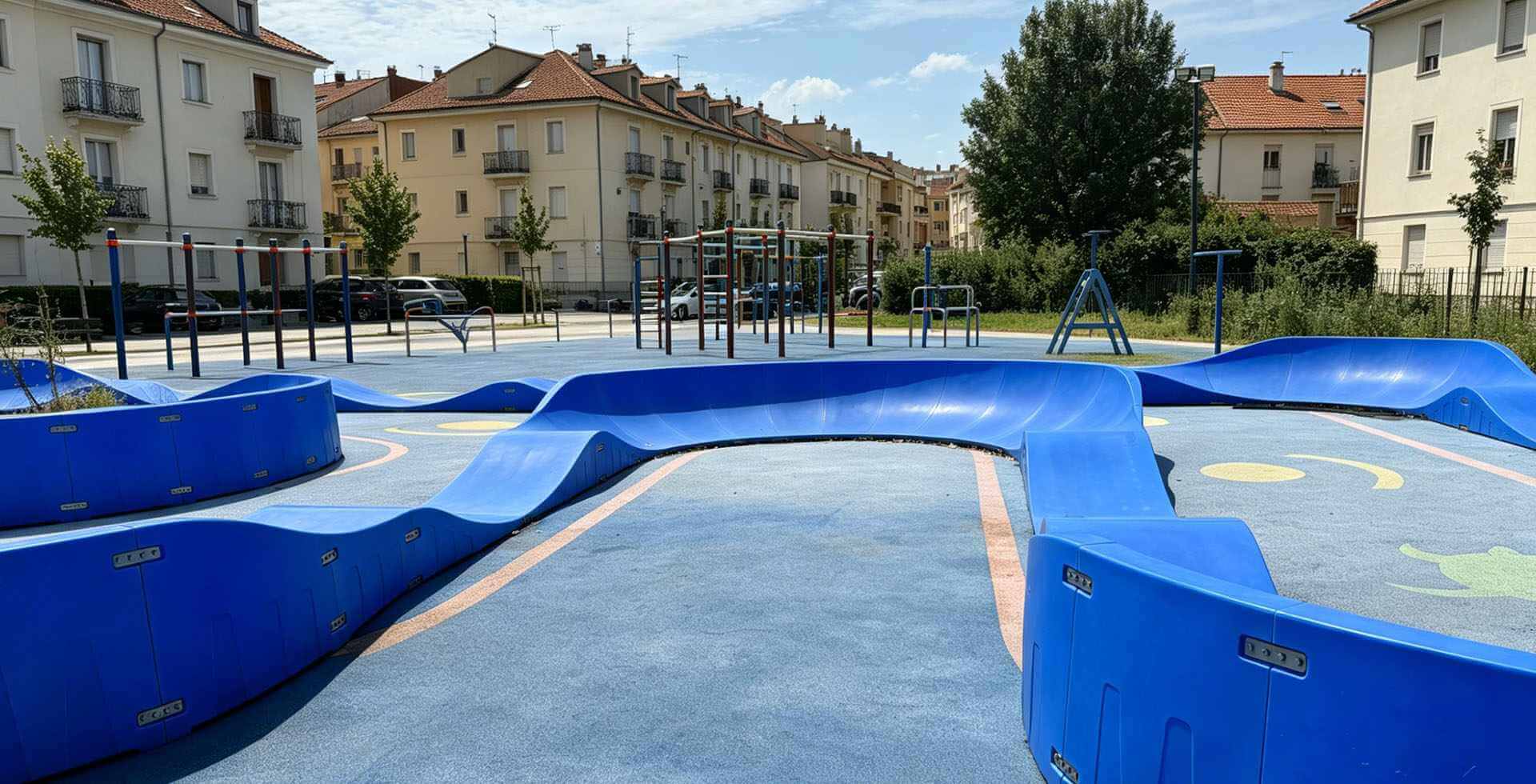
Big projects often hold areas awaiting final purpose: extra edges, short parkland, path sides, or open land by a coming group hub. These spots can seem raw if empty too long.
A pump track can shift underused land into a neighborhood goal. It lends dwellers and guests a cause to join the area, remain, and discuss it.
From Empty Space to Community Destination
Land livening goes beyond filling spots. It involves building a cause for folks to return. A pump track can achieve this since the task alters as riders advance. The same kid who rides slow in week one may come back later with firmer balance, timing, and assurance.
That progress feel renders the feature engaging. Folks visit not once. They train.
Useful for Sales Centers, Parks, and Temporary Activation Areas
For builders, handy pump track spots may hold:
- Near a sales center to create family traffic during launch events
- Beside a playground to connect younger and older children
- Along a trail network to support active mobility
- In a central park as a signature outdoor feature
- On interim land before later-stage construction begins
- In a resort or mixed-use community to extend guest activity time
Fine placement counts. The track ought to stay noticeable enough for safety and busyness, but avoid clash with road flow, parking shift, or calm dwelling edges.
Where ULTRAPUMPTRACK Fits Community Amenity Projects
ULTRAPUMPTRACK serves as a modular pump tracks supplier centered on adaptable riding spots for parks, schools, yards, group hubs, sports parks, camps, and public play efforts. Its setup designs around modular build, setup adaptability, and shared employ by bikes, scooters, skateboards, BMX riders, and other wheel users.
For property builders, this product path proves handy since group efforts seldom hold same site states. One site may need a tight family-friendly setup. Another may need a bigger draw for a main park. A third may need a movable track for short livening pre later build.
ULTRAPUMPTRACK backs custom setup planning on space, funds, rider group, and site aim. The modular build also permits shade picks and setup tweak, aiding builders to match the track with the sight mark of a dwelling, resort, or mixed project.
Conclusion
Pump tracks grow as essential neighborhood features since they meet several builder wants at once. They back active outside living, draw families, grant youths a handy meet spot, liven underused land, and form firm sight worth for effort marketing.
For planned neighborhoods, the top features stay not always the biggest or priciest. They form the ones dwellers employ often. A modular pump track can become such a spot: simple to reach, thrilling to ride, easy to recall, and adaptable to fit varied project steps.
When planned with right spot, user path, anti-slip face, safety space, and long-run upkeep method, a pump track can shift open land into a high-worth neighborhood goal.
FAQs
What is a pump track amenity?
A pump track amenity forms an outside riding setup with rollers, turns, and smooth parts. Riders employ body shift to gain pace sans steady pedaling. It can aid bikes, scooters, skateboards, balance bikes, and other wheel tasks, rendering it a handy neighborhood feature for many ages.
Why are pump tracks popular in master-planned communities?
Pump tracks gain favor in planned neighborhoods since they back active living, youth play, family employ, and outside social time. They also grant builders a noticeable feature that aids the effort feel more vital and distinct from usual housing projects.
Is a modular pump track suitable for residential developments?
Yes. A modular pump track can fit housing projects since the setup can shape on open land, user group, and funds. It can work in neighborhood parks, main green spots, sales-hub areas, resort neighborhoods, and mixed open areas.
Is the pump track surface smooth or anti-slip?
A right pump track face should resist slip and hold texture, not shine-smooth. Riders need hold for steer, particularly in shared setups where kids, starters, bikes, scooters, and skateboards may all employ the same track.


