

Designing Pump Tracks That Follow the Landscape
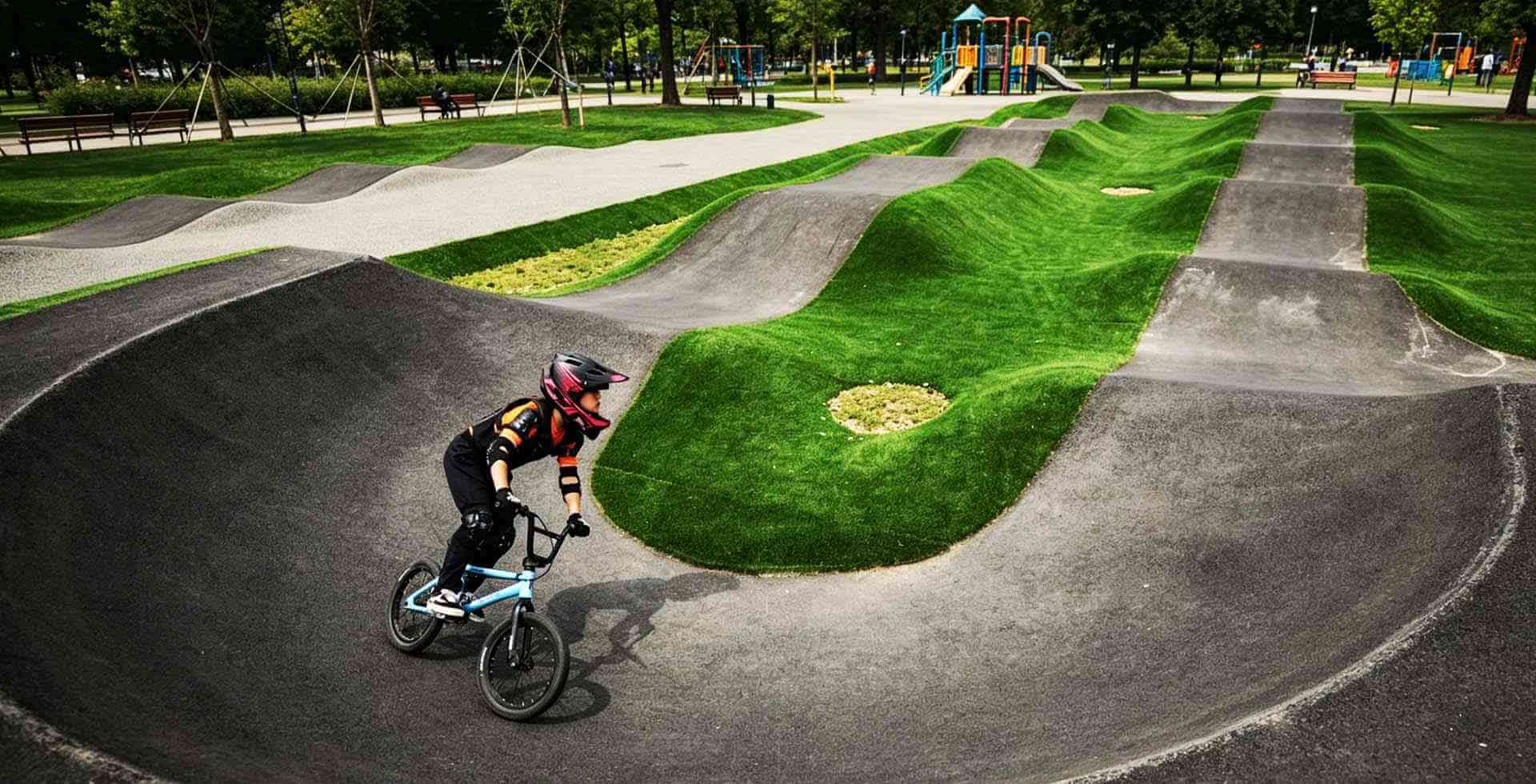
A pump track can be the most lively spot in a park. Yet it should not seem like it landed there by chance. For landscape architects, this is the main task. The aim is to build an enjoyable wheeled sports area. At the same time, it must fit into a park, school, campground, resort, or community area. It needs to honor the natural movement.
Solid pump track landscape planning begins early. It starts before anyone draws the first bend. Designers walk the site. They picture kids watching from the side. Parents seek shade nearby. Riders enter without risk. Rainwater drains away without forming puddles. A modular pump track offers more options. The setup can match various spaces, user types, and project phases.
The top outcome feels energetic. But it does not push too hard. It pulls people closer. It aids bikes, scooters, skateboards, inline skates, and BMX riders. The landscape stays open, even, and simple to follow.
Why Pump Tracks Belong in Modern Landscape Architecture
Today’s parks go beyond one playground, one grass area, and one path. People in communities seek outdoor spots that mix age groups. A pump track fits this need. It is small, lively, and straightforward. Riders go over rollers and curved turns. They use body shifts instead of just pedaling.
For a young child on a balance bike, it boosts self-assurance. For a teen on a scooter, it turns into a skill they can repeat. For grown-ups, it offers a quick, intense ride after the workday. For a town or private spot, it brings action to the area. It does so without a large sports field.
In landscape architecture, this turns the pump track into more than a sports addition. It can become:
- A park activity spot near playgrounds or fitness zones
- A school recreation element for everyday outdoor activity
- A community pump track that aids safe wheeled fun
- A bike park part in a bigger trail or adventure area
- A small draw for campgrounds, resorts, and housing projects
Placement is key. A pump track must add energy to the landscape. It should not split the site into odd sections.
Start With Site Flow Before Track Shape
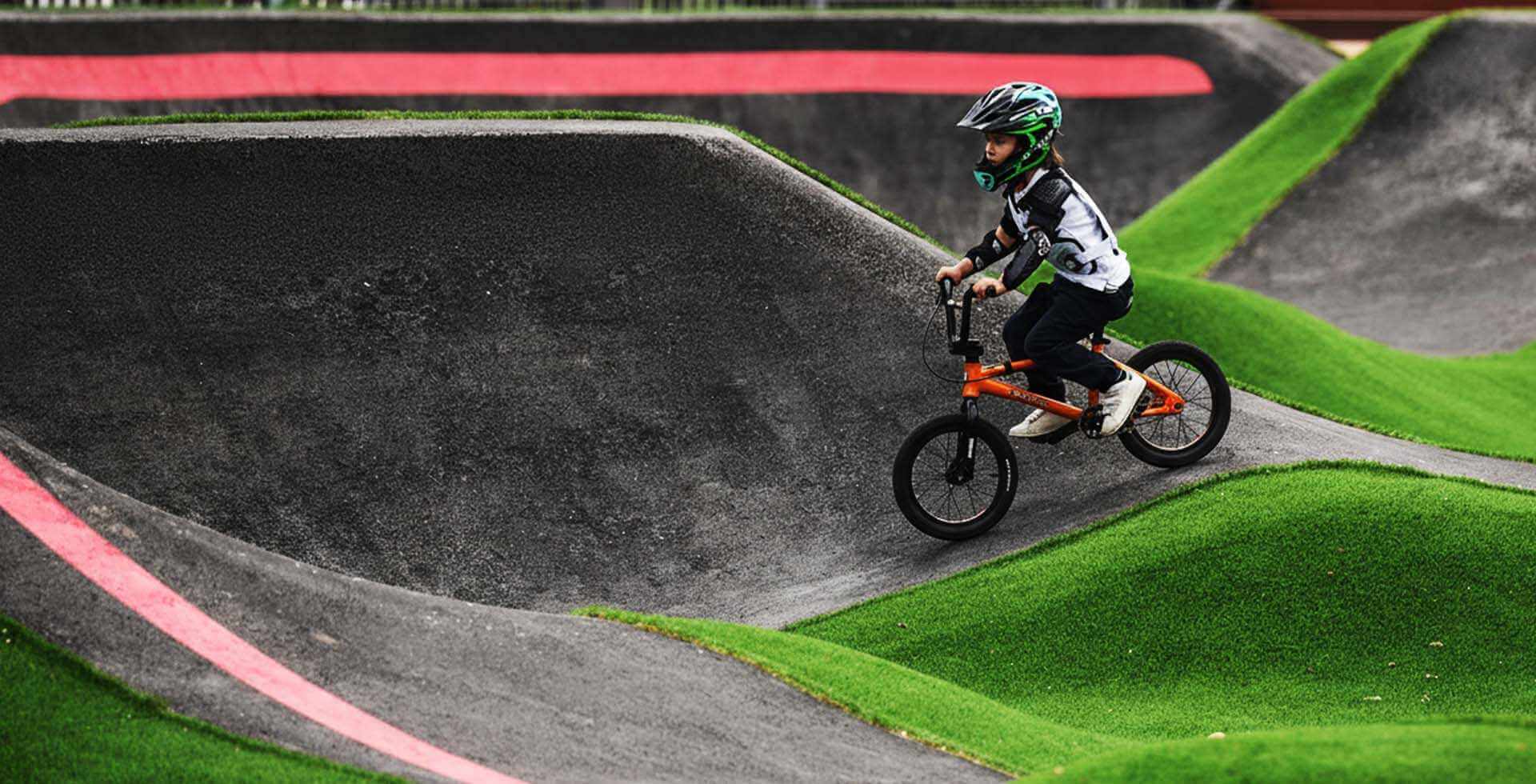
Many poor pump track efforts start with the bad question. They ask, “What shape should the track take?” A wiser first question is this. “How do people move through this spot right now?”
Landscape architects must map site paths before picking a pump track plan. Where do walkers enter? Where do bikes come in? Where do parents wait? Where do small kids group up? Where are calm areas that need to stay quiet?
A modular pump track can rest near a busy side of the site. It should not sit in the heart of a peaceful grass field. For instance, in a local park, the track might fit best between the playground and shared path. In a school yard, it could go near the sports area. But it stays away from class windows. In a campground, place it close to cabins or RV spots. Families already walk there during the day.
The track must link to motion, not stop it. Clear spots to enter and leave help riders join the circle. They do so without crossing walkways. Seats can line the outer bend. Plants can ease the border. Access for upkeep should stay easy. This covers cleaning, checks, and event prep.
When site flow guides the work, the pump track seems thoughtful. It does not feel packed.
Let Natural Terrain Guide the Layout
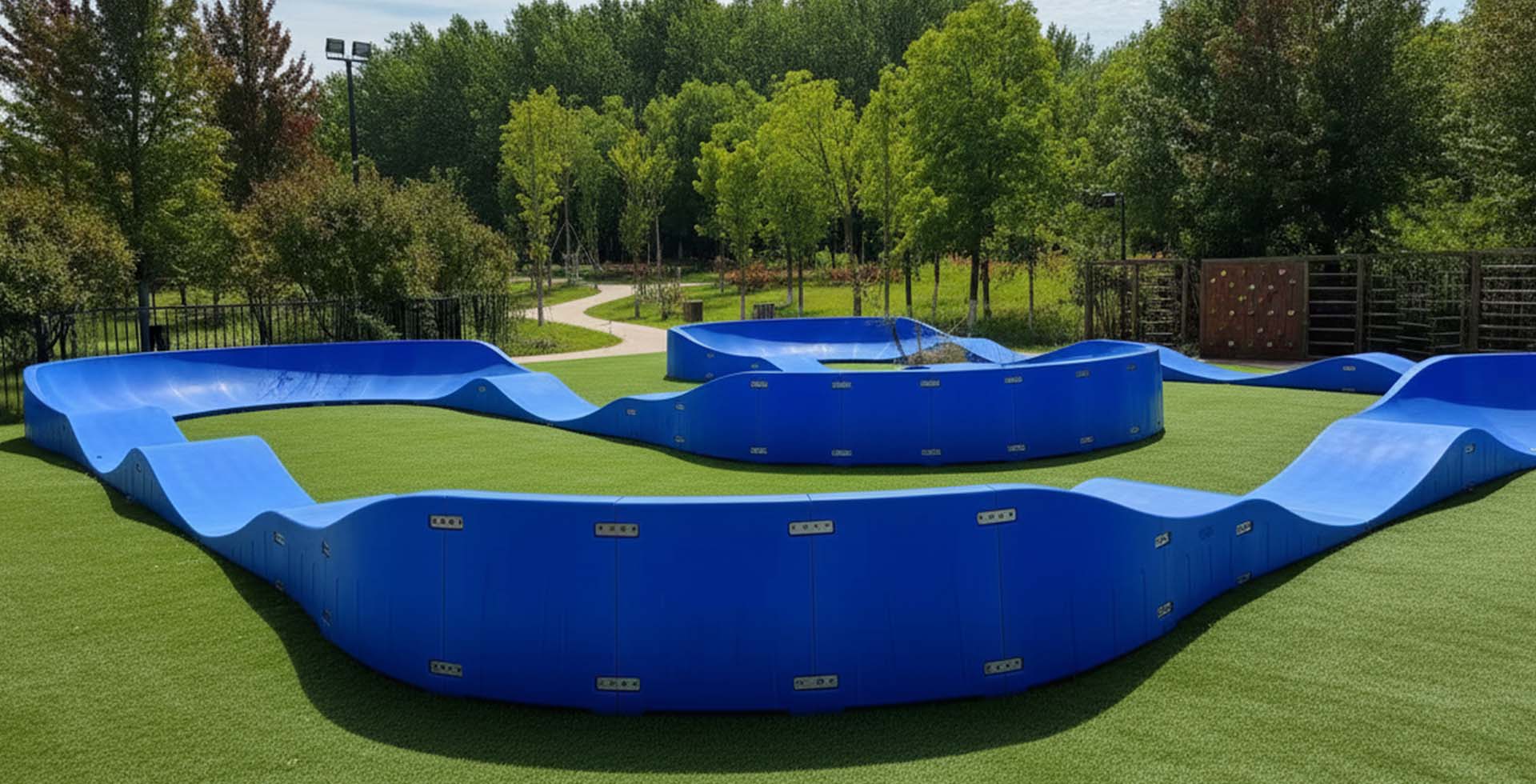
A strong pump track plan works with the ground. It does not resist it. The land comes first.
Gentle hills, current bumps, tree rows, water channels, and clear view paths can all form the final setup. On a site with light slopes, the track can trace the land lines. It avoids making a level base. On a flat city lot, low plant mounds and side grading can root the track. In a tree-filled park, the plan can curve around big trees. It leaves root areas alone.
This land-aware approach cuts extra dirt moving. It stops the project from looking too built-up. It also aids smoother riding. Bumps, bends, and shifts feel real when they tie to the nearby land.
The riding area should not feel shiny or even. A fine modular pump track has a rough, grip-providing surface. Wheels hold on well. The ride flows nicely. But the top needs hold, above all in open areas. Beginners, kids, and varied wheel users share the path there.
Choose Modular Design for Flexible Site Integration
For lots of public and private jobs, modular pump track setup offers a smart balance. It sits between short-term play gear and big lasting builds. It suits small spots, grows later, and shifts with new goals.
This helps because real sites seldom form perfect squares. A park might have old trees. A school could lack wide hard surfaces. A resort may seek a yearly fun zone. A community hub might want a track that moves for later changes.
| Design Need | Why Modular Pump Tracks Help |
|---|---|
| Limited space | Layouts can fit compact, irregular, or edge zones |
| Fast project delivery | Installation is usually quicker than major civil works |
| Mixed users | Bikes, scooters, skateboards, inline skates, and BMX can share the space |
| Lower upkeep pressure | Durable modules reduce the constant shaping needed by dirt tracks |
| Future changes | The layout can be adjusted, expanded, or relocated |
| Site protection | Less ground disturbance helps preserve existing landscape character |
This range of choices aids landscape architects in staged park plans. A modular track can launch soon as a fun center. Meanwhile, plants, paths, or seats grow around it.
Design for Safety Without Killing the Fun
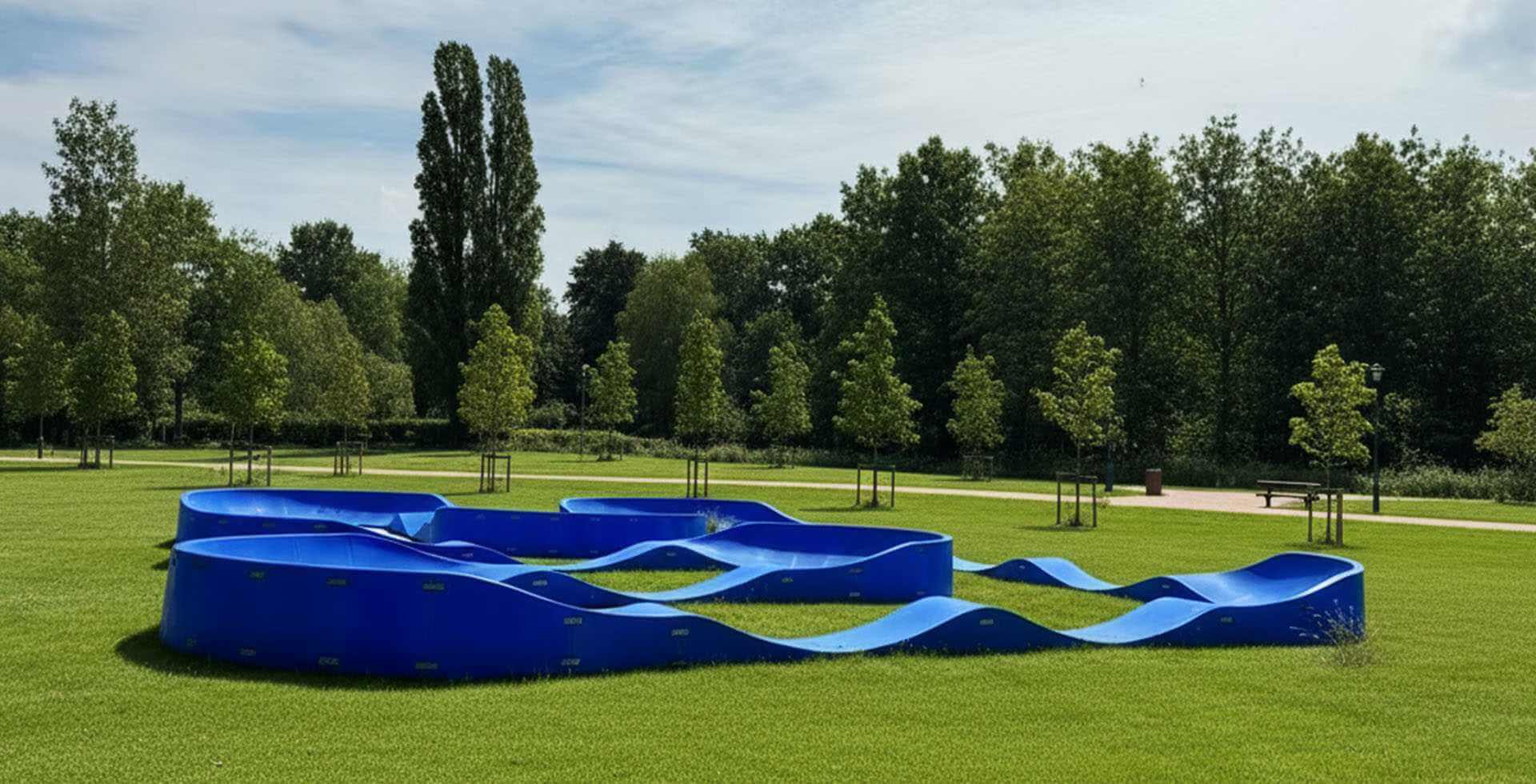
A pump track must thrill. But designs for public spots need more than pace. They require clear motion.
Safe pump track plans for new riders begin with good views. Riders must spot the next bend. Parents need to see the whole circle from usual watch spots. Walkers should not face sudden riders on paths. The way in must be simple to find. The way out should not drop riders into crowded walks.
A fine plan can aid varied skill levels. It does so without splitting the area. New riders want soft bumps, steady bends, and space to ease off. Skilled riders seek flow, quickness, and loops to redo. A joint track shines when the path suits starters but stays enjoyable for steady users.
Some site touches make a real impact:
- Keep seating outside the active riding line
- Add buffer space near entries and exits
- Avoid tall shrubs at corners where visibility matters
- Use signs with simple rules and direction arrows
- Provide a nearby rest zone for waiting riders
- Keep the anti-slip surface clean from sand, leaves, and loose debris
Top safety efforts stay subtle. Users might not spot them. But they sense ease because the space flows well.
Use Planting and Edges to Blend the Track Into the Site
The border design sets if a pump track fits or stands out. Sharp lines can make it seem alone. Gentle borders let it join in.
Plants should outline the track. They must not block it. Short grasses, field-like plants, and raised grass can ease the outer path. They keep sights clear. Shade trees suit seat areas. But avoid them where dropped leaves or roots cause upkeep woes. Bushes must clear quick bends, ways in, and cross spots.
In a public park, the track border can shift to grass where families rest. In a school, color marks on the ground and short plants can set the area. No need for fences. In a resort or campground, local plants can make the track part of the outside fun. It feels tied to the setting, not a lone sports spot.
The best plant setup also aids care. Tough ground plants near borders handle walks. Clear cut paths speed crew work. Water plants guide flow. They stop the pump track from getting soggy after showers.
Match the Pump Track to the Project Type
Sites vary in energy needs. A city park plan might suit a spot too full for a tiny school yard. A resort may focus on guest joy. A town might stress lasting public gain.
Pump Track for Parks
A pump track for parks fits where action fits naturally. Near playgrounds, sports areas, skate spots, or trail starts, it adds motion. It leaves calm grass or picnic areas alone. Public parks need plain access, good sights, and room at borders for watchers.
Pump Track for Schools
For schools, the plan should stress control, self-trust, and oversight. Short circles, clear guides, and easy paths for starters work fine. A school pump track aids gym class, breaks, after-class fun, and bike safety lessons.
Community Pump Track
A community pump track must feel open, not wild. The plan serves new riders and steady ones. Seats, shade, lights, and clear views make it a safe meet spot for families.
Pump Track for Campgrounds and Resorts
In campgrounds and resorts, pump tracks turn into often-used perks. Kids ride early, come back after meals, and fetch friends the next day. Place them near family areas, rent spots, or outdoor fun centers. This boosts visits without much staff work.
Design for Long-Term Maintenance and Adaptability
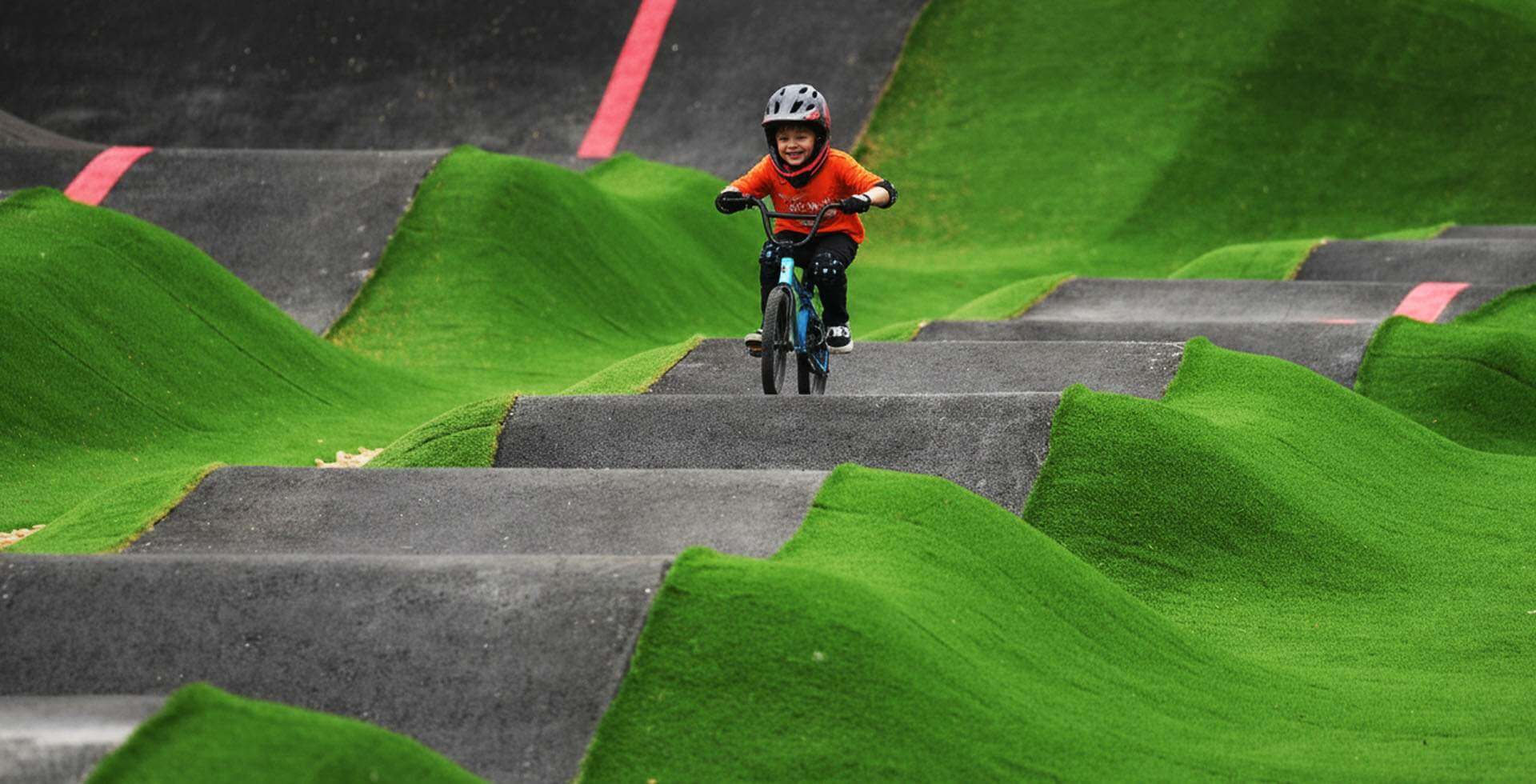
A pump track does not end on launch day. It must last through weather, hard use, school off times, summer crowds, and event days.
Dirt tracks bring joy. But they often need fixing after rain and steady rides. Asphalt and concrete hold up well. Yet they call for more fixed site jobs. A easy-care modular pump track offers owners a fresh path. It has a tough, grip ride top, swap parts, and plan range.
Care planning covers top cleaning, border cuts, check schedules, and yearly looks. Public spots may need sign refreshes, trash watch, and basic user tips. The more open and reachable the track, the simpler the care.
Range for change counts too. A small town job may begin small. Then it grows as use rises. A seller, park runner, or landscape architect can tweak the plan for events, rents, or new site steps. That range can stretch the job’s worth far past the first setup.
About ULTRAPUMPTRACK as a Modular Pump Tracks Supplier
ULTRAPUMPTRACK serves as a modular Pump Tracks supplier. It focuses on outdoor wheeled sports areas for parks, schools, community centers, campgrounds, resorts, residential projects, and commercial recreation venues.
Its modular pump track system aims for plan range, grip ride work, outside toughness, and shared user entry. The tracks aid cyclists, BMX riders, scooter riders, skateboarders, inline skaters, and other wheeled sports users. For landscape architects and project leads, this system fits when a site seeks a small, lively, and flexible fun feature. It avoids big changes to the current landscape.
ULTRAPUMPTRACK also aids custom plan work based on space, budget, wheel kinds, and user ages. This counts for true jobs. A school yard, public park, resort grass, and city square all call for unique plan fixes.
Conclusion
A pump track should not cut into the landscape. It must trace the site’s motion, honor natural ground, aid safe rides, and make a plain spot for outside action. When landscape architects start with site paths, grading, water flow, plants, and user ways, the track joins the park. It does not stand as a lone item.
A modular pump track brings extra design room. It suits tight spaces, aids mixed users, cuts care load, and shifts with later wants. For parks, schools, community spots, and fun venues, that mix of range and action can turn idle land into a spot folks return to often.
FAQs
What is the best way to integrate a pump track into a park?
Begin with site paths, not track form. Put the pump track near busy zones like playgrounds, sports courts, trails, or meet areas. Keep walk paths open. Add clear entry and exit spots. Use plants or grass borders to tie the track to the park ground.
Is a modular pump track suitable for natural landscapes?
Yes. A modular pump track suits natural lands when the plan traces the ground, skips big tree cuts, and fits current water paths. It shines where the job needs less site upset, quicker setup, or chances to tweak the plan later.
Can bikes, scooters, and skateboards use the same pump track?
In many jobs, yes. A well-set pump track can aid bikes, BMX, scooters, skateboards, and inline skates. The plan needs clear ride direction, enough width for use, and a grip surface that gives sure hold.
What should landscape architects consider before pump track installation?
Main points cover space on hand, site paths, hill levels, water plan, sights, safety pads, plant borders, care entry, and key user group. A school track, public park track, and resort track may call for varied plans.
How does a pump track improve community recreation?
A community pump track offers folks a repeat outside task that fits ages and skills. It aids motion, social moments, self-trust growth, and family use in a small area. For many parks and public spots, it can shift an unused zone into a daily fun center.


