

How Modular Pump Tracks Reduce Public Project Costs by 40% (Case-Based Guide)
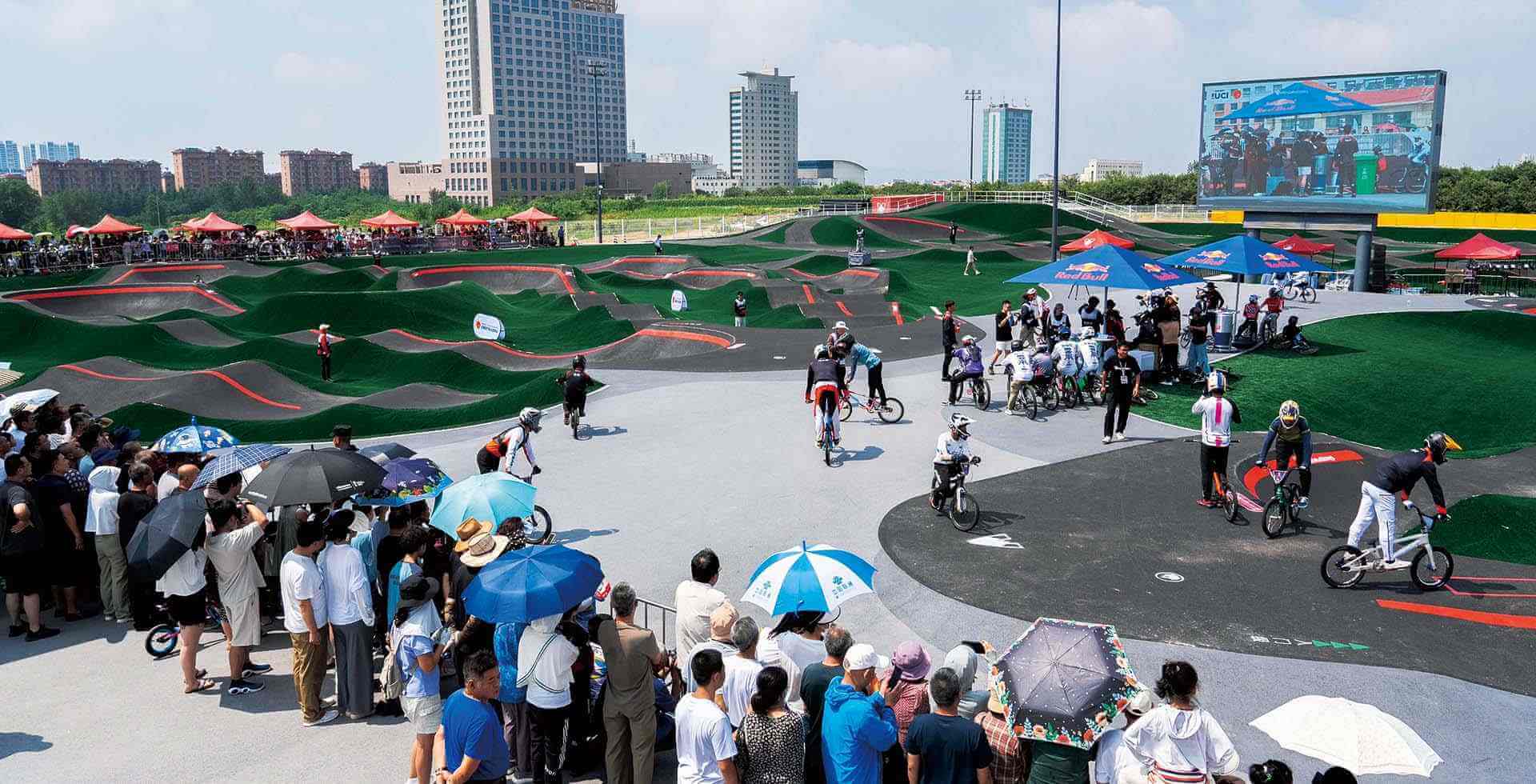
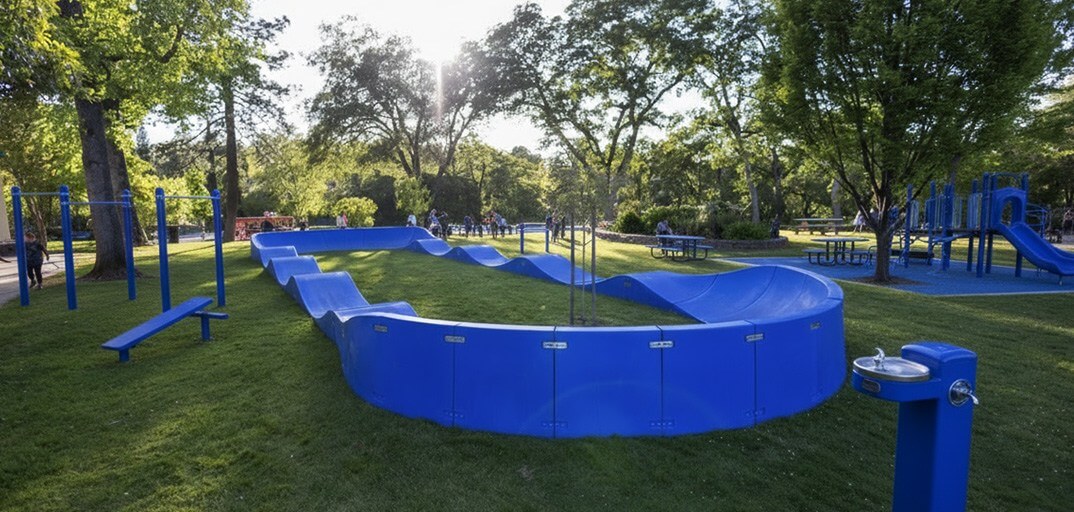
Modular pump tracks have become a key option in public infrastructure. They mix fresh ideas, money savings, and eco-friendliness. These ready-made bike tracks suit fun and sports. They give towns a flexible method to boost healthy habits. At the same time, they handle tight budgets. Unlike old asphalt or concrete pump tracks that need lots of ground work, modular types can move easily. You can set them up fast with little bother. Their flexibility fits both lasting and short-term spots in parks, schools, or community spots. As more towns focus on green city growth, modular pump tracks stand out. They cut starting costs and build stronger community ties.
What Makes Modular Pump Tracks a Cost-Efficient Choice for Public Projects?
To grasp their money benefits, we first need to see how old pump track building affects funds.
Breakdown of Traditional Pump Track Cost Structure
Standard pump tracks often bring high starting costs. These come from big ground jobs, buying materials, and expert workers. Asphalt or concrete tops need big machines and trained builders. This adds to the high bills. Bad weather can slow down building times too. As a result, projects drag on and management costs rise. Plus, these old tracks need regular fixes and new tops from weather damage. This leads to steady upkeep bills that hurt town budgets.
How Modular Systems Reduce Capital Expenditure
Modular pump tracks fix these issues with pre-made parts and set ways. Factories make modules off-site in steady settings. So, putting them together on location goes quicker and smoother. This cuts the call for expert workers. It also shortens setup time. Light materials drop shipping bills. Yet they keep strong enough for public spots. What’s more, you can take modular systems apart and use them again in other places. Towns get the most from their money. They avoid buying new setups each time a project moves.
How Do Modular Pump Tracks Optimize Resource Allocation?
Smart use of resources matters a lot in public jobs. Funds and workers need careful handling. Modular pump tracks help with this.
Efficient Use of Materials and Labor Resources
Factory making means exact use of stuff with little trash. It skips big machines for setup. Thus, it lowers gas use and air pollution from old builds. The easy put-together lets local groups or helpers join in. They don’t need deep skills. This drops worker costs more. It also builds community links.
Streamlined Project Management and Approval Processes
Set designs not only make building simple. They also help meet rules for safety. Town planners gain from steady times. This improves money plans and cuts office work. Setup bothers the site less than huge builds. So, people in the area accept it better. This keeps good ties with the public through the whole job.
In What Ways Do Modular Pump Tracks Offer Long-Term Financial Benefits?
Modular setups give lasting money gains past first savings. They do this with strength and flexibility.
Durability and Maintenance Savings Over Time
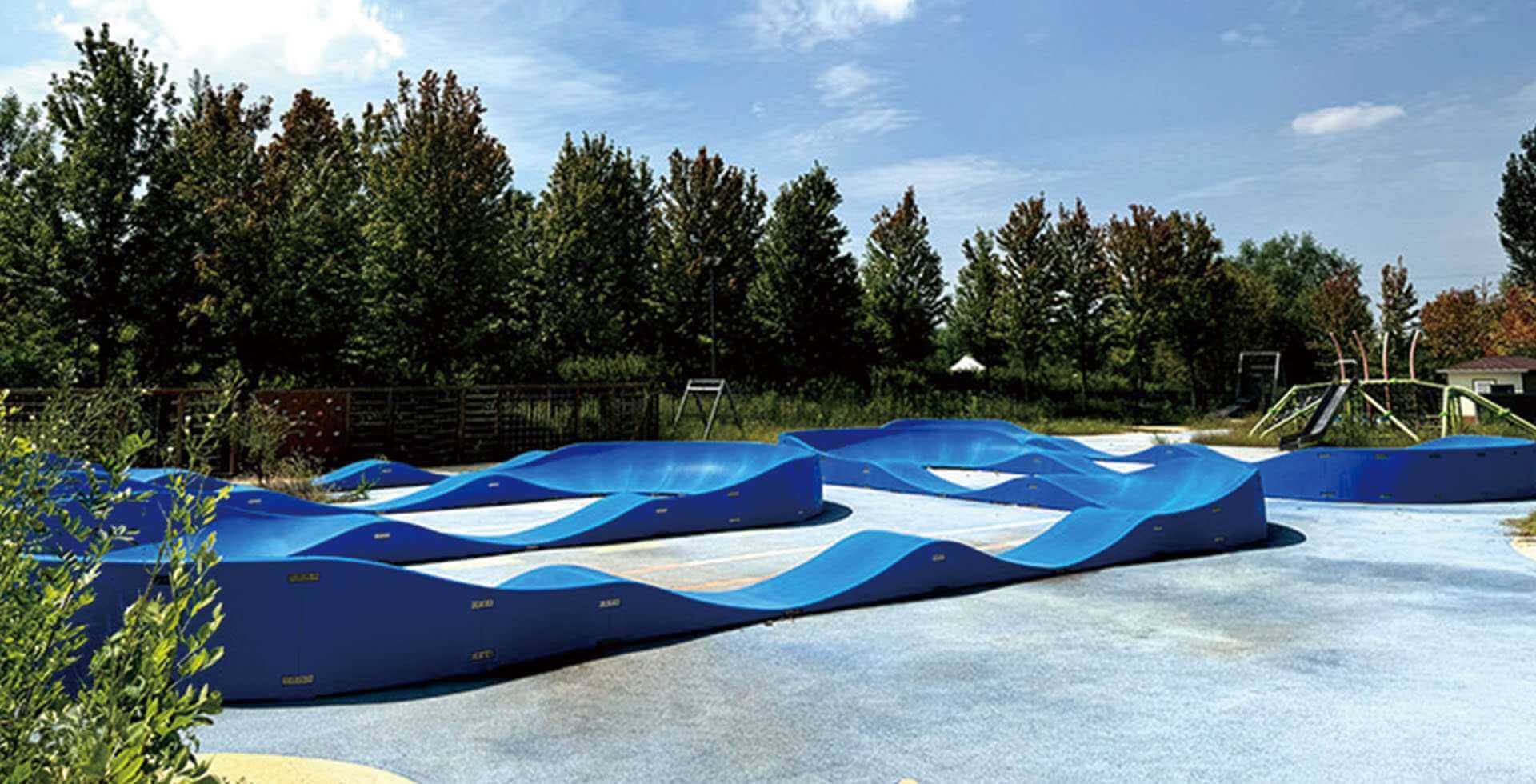
Made from tough composites or steel frames that fight weather, modular pump tracks handle heat changes, water, and hard use. They do better than asphalt choices. When harm happens, you swap single parts fast and cheap. This skips big fix rounds in old setups. Such flexibility means lower yearly running costs for towns in charge of care.
Adaptability and Reusability Across Multiple Sites
The real money power of modular types is in reuse. Towns can shift or grow current setups as people move or fun needs change. For seasons, you move gear from inside spots in winter to outside parks in summer. This boosts use all year. Short-term spots act as tests too. They let leaders check how folks react before going full-time.
How Do Modular Pump Tracks Contribute to Sustainability Goals in Public Projects?
New public jobs now match green aims to shrink harm to nature. Modular pump tracks fit this well.
Environmental Advantages of Modular Construction Methods
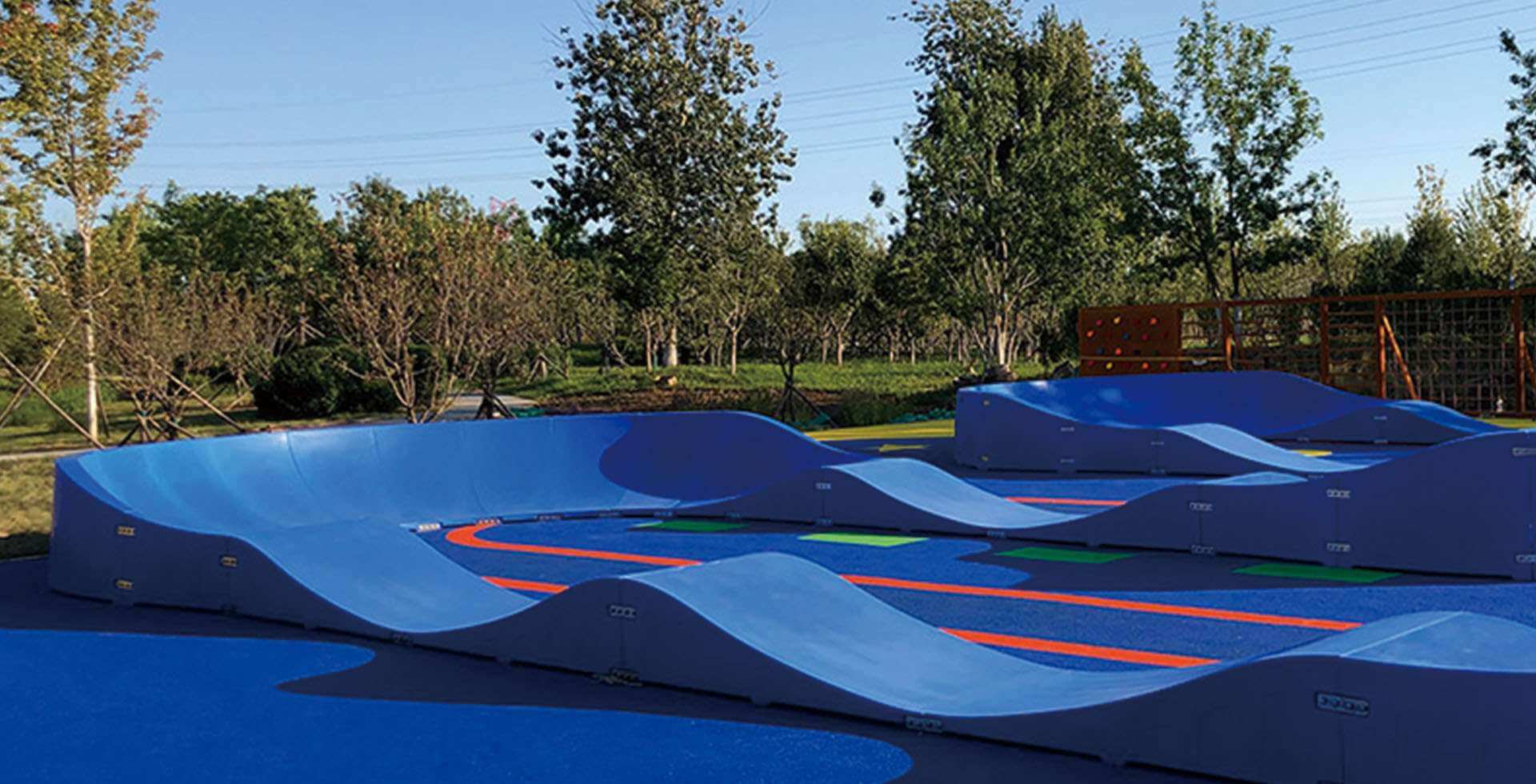
Modular setups need little digging unlike poured concrete. This cuts soil upset a lot. Parts from re-use stuff back round economy ideas. They match green certs like LEED or BREEAM. Making in power-smart factories, not open sites, drops total air output. So, modular pump tracks make a smart green pick. They line up with town plans for climate action.
Why Are Cities Choosing ULTRAPUMPTRACK as Their Preferred Partner?

To wrap up talk on cutting costs, we should note a top supplier leading change here.
Overview of ULTRAPUMPTRACK’s Expertise and Offerings
ULTRAPUMPTRACK has built a solid name as a global helper. It focuses on making modular pump tracks for public uses. The firm gives full job help. This covers plan talks, exact making, shipping help, setup tips, and after-care. Its strong history shows good work with towns around the world. They seek tough but cheap fun setups. These meet safety rules and push health drives in communities.
Conclusion
Modular pump tracks mark a big change in how towns build fun setups on small budgets. They swap hard worker jobs with ready systems. Towns save a lot—often up to 40% over old ways. They keep top play levels too. Built-in flexibility gives long value. You reuse over sites without big new spends. For public bosses hunting smart ways to use resources, these tracks fit best. They mix money care with green aims and town betterment.
FAQs
How much can a municipality expect to save with modular pump tracks compared to traditional builds?
Towns often see savings up to 40%. This comes from less setup work, lower stuff costs, and small upkeep over years.
Are modular pump tracks suitable for permanent installations?
Yes, modular types work for short or long spots. With good care, they last like fixed concrete ones.
Can modular pump tracks be customized for different age groups or skill levels?
Sure—parts in many forms and sizes let you set them for user groups or skill steps in public areas.


