

Boost Student Fitness and Interest with Pump Tracks in Schools & Sports
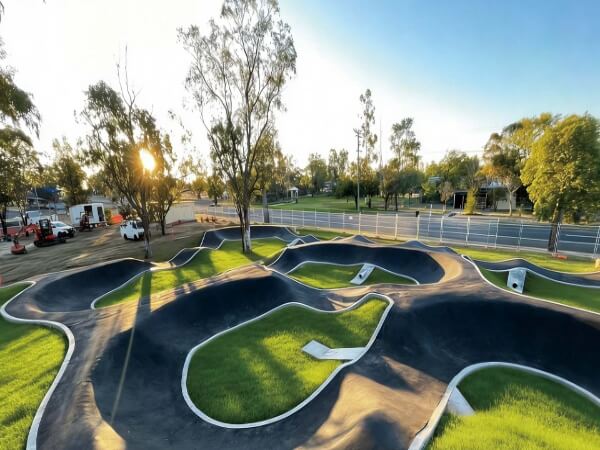
Schools and sports facilities have searched for fresh and fun ways in recent years. They want to keep students active and healthy. Regular gym classes usually center on team sports. They also include running or weight training. These exercises have real value. Yet they may not interest every student. This is true especially for kids who do not like usual team games.
Pump tracks offer an exciting new choice. These small rolling loops create a playful and welcoming space. Students can build strength there. They gain balance, coordination, and confidence too. The tracks have textured, grippy surfaces unlike flat ones. Riders can pump through the path without pedaling at all. This makes the tracks easy for many skill levels and ages.
Pump tracks are becoming popular. They mix physical growth with fun discovery. Schools and outdoor sports facilities that add pump tracks to their play areas can open new chances. These chances cover fitness, inclusion, and lasting active habits. This article looks at useful ways to add pump tracks. It suggests layout ideas that increase participation. It also lists real benefits. These benefits match school and sports goals.
Why Pump Tracks Matter for Youth Fitness and Engagement
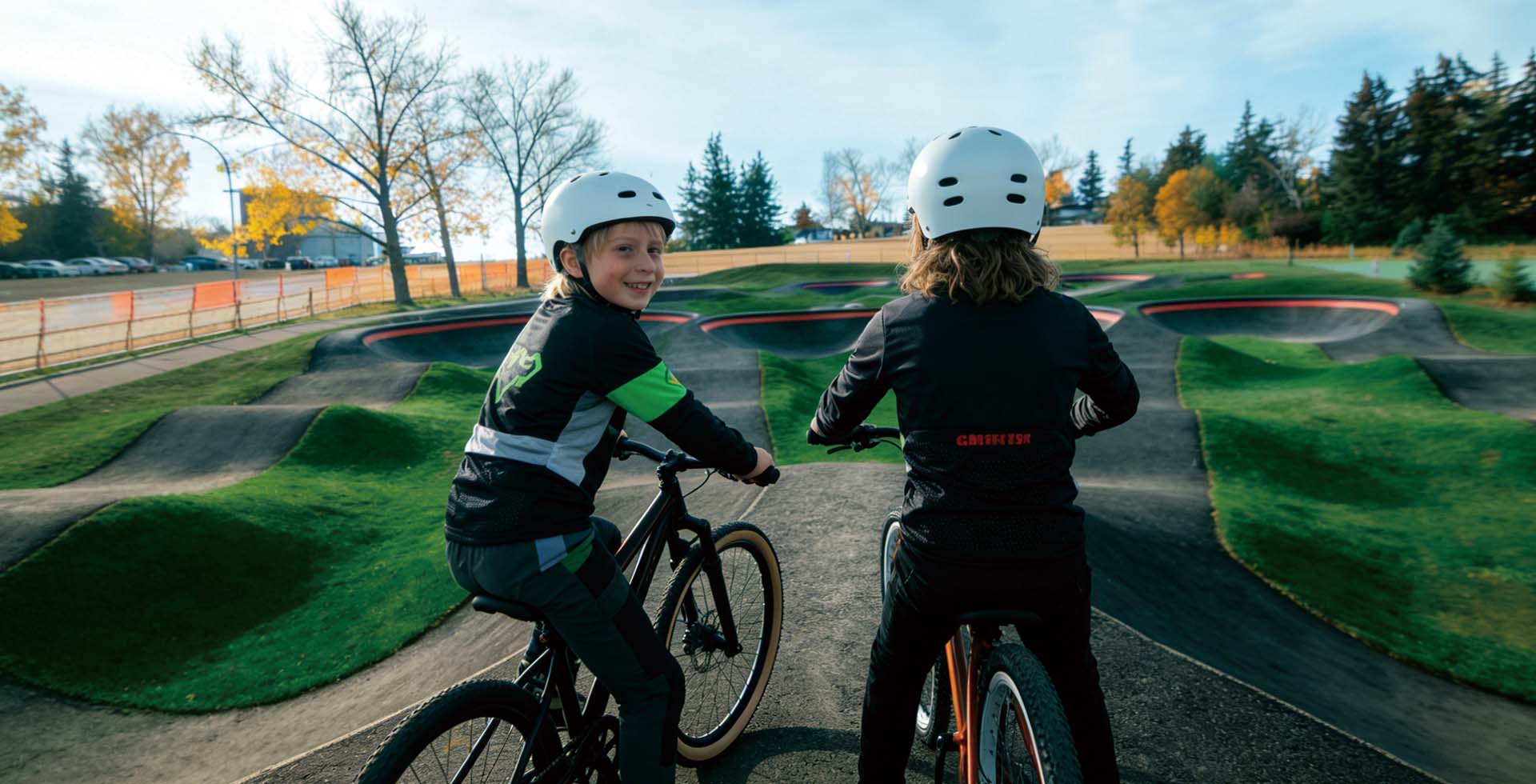 Many teachers and sports planners face the same issue. They need to draw students in and keep their interest in exercise. Physical literacy means moving with skill and self-assurance. It is key to health for life. A pump track naturally helps this. It lets users build bike control skills. They also learn timing, balance, and power. There is no pressure from competition.
Pump tracks work for many things. Users can ride bikes on them. They support scooters and skateboards too. Even running drills or balance loops fit in PE class. The tracks focus on smooth movement and flow. So they suit students who may not do well in regular sports.
Key Educational Benefits of Pump Tracks
Pump tracks bring several school-related gains. These include:
- Better heart and lung stamina from doing laps again and again
- Stronger legs and core from the pumping action
- Sharper movement skills as kids go over rollers and turns
- Greater self-belief from learning track parts
These gains fit with national fitness rules and school program aims. So pump tracks are more than fun setups. They serve as tools for clear fitness growth.
Understanding Pump Track Design for Schools
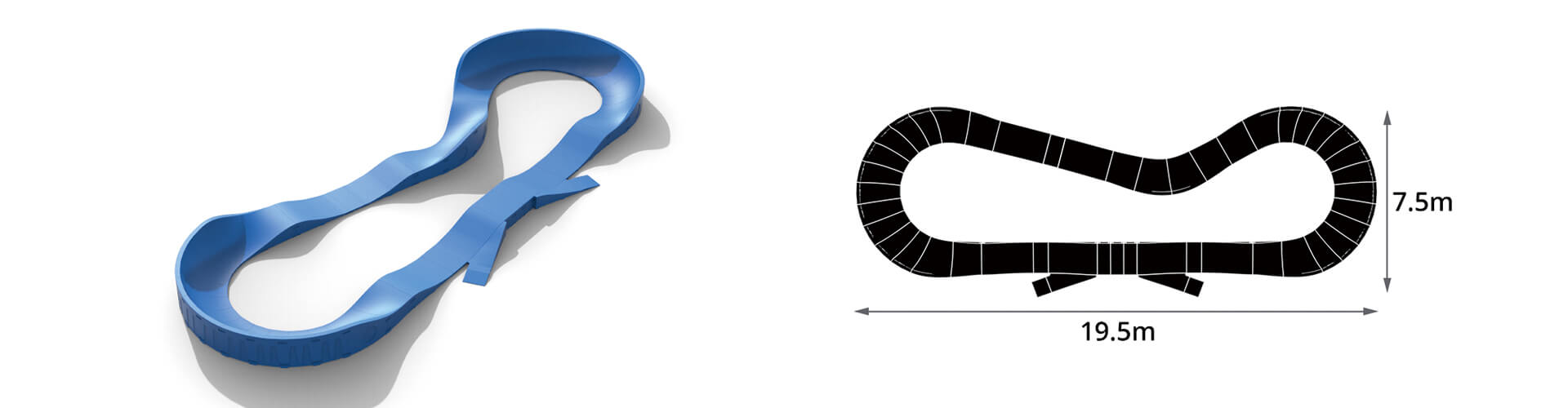
It is important to know design parts before picking or making a pump track. Good design brings more use. It helps skill growth. It also fits different ages.
Surface and Safety
Pump tracks usually have grippy surfaces. These differ from smooth playground asphalt. The texture gives safe tire hold in all weather. Schools should pick materials that fight wear. They need good drainage too. Maintenance should stay low. For instance, resin-bound mix or packed dirt with seal works well. It offers grip and keeps costs steady.
Safety matters a lot. Planners must think about these points:
- Open views around curves and bumps
- Set entry and exit spots to stop crashes
- Soft padding or safe edges near hard areas
Track Shape and Flow
Pump tracks have rollers, berms, and banked turns one after another. For school use, focus on skill levels that grow step by step. A easy loop with small rollers builds confidence for beginners. Harder loops add tighter turns and bigger parts for experienced riders.
A usual setup might have these:
- A loop of little rollers linked to soft berms
- A middle line with bigger rollers that get larger
- Several starting points so groups begin in different spots
This setup with levels makes the track open to all in mixed PE classes.
Now it is time to think about where to place the track.
Strategic Rules for Layout and Placement
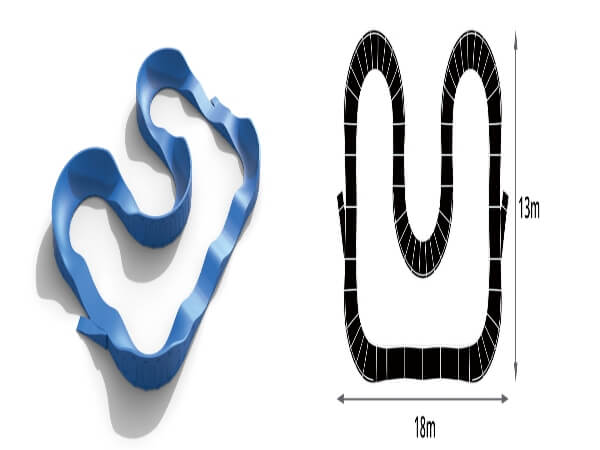
Picking the best spot for a pump track mixes space use, easy seeing, and fit with other programs. Use these ideas.
Close to Core Activity Areas
Put the track near playgrounds or sports fields. This raises its notice. Students see it often. They may try it on their own during breaks. Being close to the gym or change rooms helps too. Teachers can easily add track time to PE lessons.
Space Allocation and Safety Buffer
Small schools can still find room in a corner for a pump track. A basic school track might need 500 to 1,500 square feet. It depends on how complex the design is. Always add safety space around the edge. This stops mix with other play. These open areas work as warm-up spots. Instructors can gather kids there before class.
Shade and Environmental Comfort
In places with lots of sun, add shade. Canopies or planted trees help. This keeps the track nice for longer use. Shaded tracks get more visits during lunch or after school.
Integrating Pump Tracks into Sch
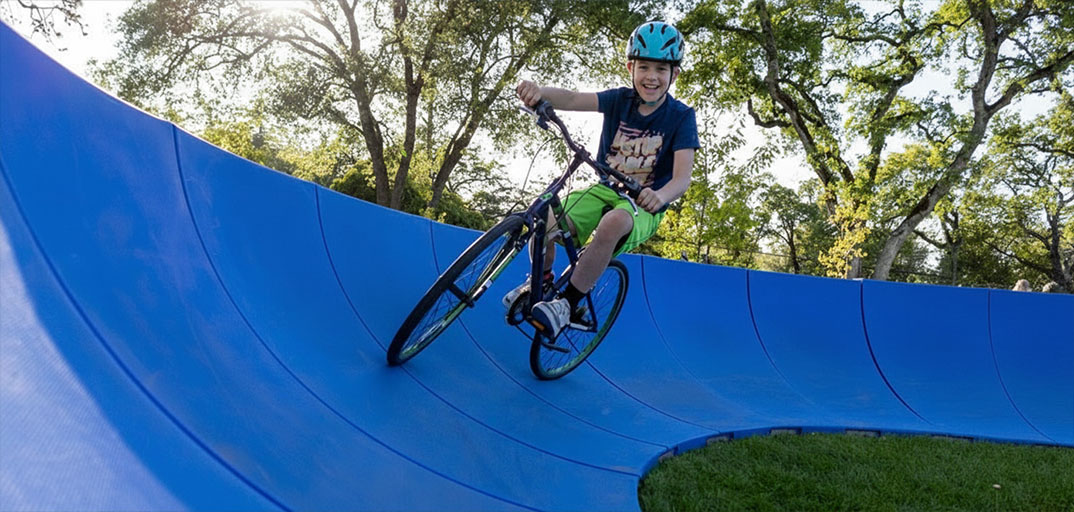
Pump tracks need to join school life to give the best help.
Structured Physical Education
Teachers can create lesson units on the pump track. These units focus on fitness results that you can measure. For example, a four-week unit on balance and control could work. Students do timed laps in it. They note progress in skills. They join group tasks too. Linking to fitness checks lets teachers see growth over time.
Free Play and Clubs
Allow free use during lunch or after school. Think about starting a pump track club. Clubs let students help each other. They set their own aims. They try different riding ways. Some schools set up light team games. Groups earn points for showing up often or riding safely.
Inclusive Activities
Use special gear like bikes with wide tires or big wheel scooters. This opens the track to students with different abilities. Offer these in free times. Then every kid feels included.
Benefits to Outdoor Sports Facilities
Outdoor sports spots that team up with schools or hold community events can gain from pump tracks too. These setups draw families in. They support more activities. They create a center for bike learning.
Uses for Pump Tracks at Facilities
Facilities can use the pump track for several things:
- Young bike camps
- Skill classes in off-season
- Community fitness events
Adding a pump track makes the place more useful. It does not need staff all the time. Pump tracks teach skills at your own pace. So users need little watch after they know safety rules.
Case Examples of Pump Track Impact
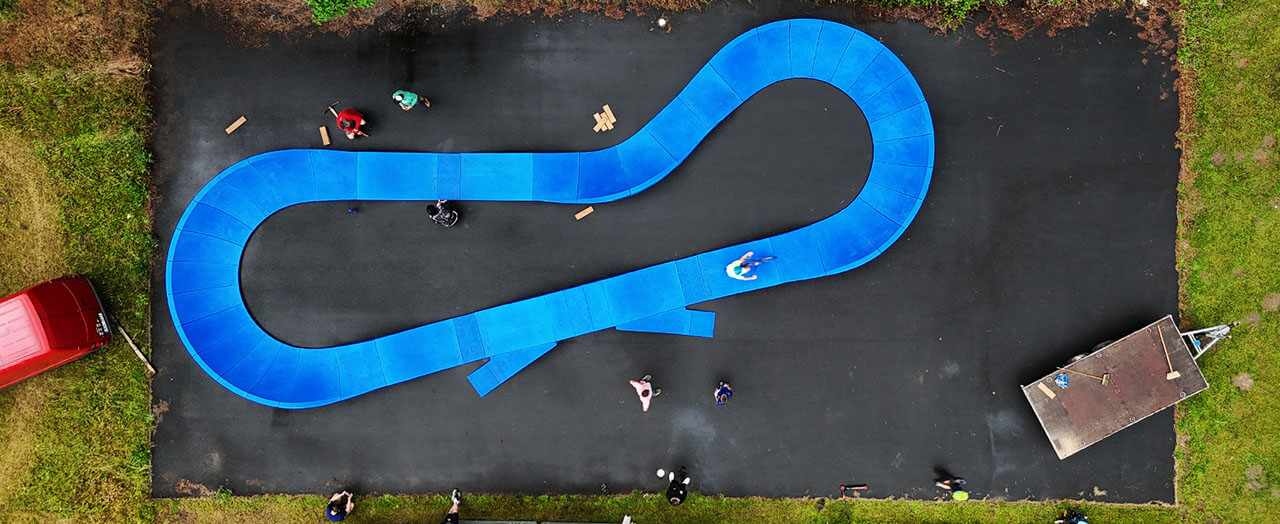
Think about a middle school. It added a pump track with normal PE. In one term, after-school program attendance went up by 30 percent. Students got better in agility tests and leg strength checks. This was more than last term. Teachers saw fewer behavior issues at break. Kids stayed busy and moving.
At a city sports facility, the community pump track turned into a meet spot for weekend family fun. Local kids who skipped organized sports before started coming to junior bike classes. They grew in skills and self-assurance.
These results show one key fact. When exercise feels like play, more kids join. Health numbers get better too.
Introducing ULTRAPUMPTRACK
ULTRAPUMPTRACK is a worldwide provider of pump tracks. They design for communities, schools, and sports facilities. The company has know-how in custom plans, setup, and follow-up help. ULTRAPUMPTRACK aids groups in making strong, safe, and fun pump tracks. These fit each site’s needs and aims.
Their method mixes long track design knowledge with real tips on materials and weather resistance. Each job follows details like user ages, space size, and training goals. Schools and facilities that work with ULTRAPUMPTRACK get expert advice. This goes from early planning to finish and continued support.
This kind of teamwork makes sure pump tracks give lasting worth. They become tools for fitness growth and sports interest.
Conclusion
Pump tracks are more than a cool add-on to school grounds or sports areas. They work well for building body skills. They help include everyone. They also build habits for activity that last. When planners think carefully about design and link the track to lessons or events, great things happen. Students get better at balance, power, staying power, and belief in themselves.
Schools that add pump tracks to PE and after-school options often see more kids take part. Students end up healthier too. Outdoor sports facilities that include pump tracks reach more people in the community. This is especially true for young ones who might skip regular activity otherwise.
By learning layout rules, focusing on safety, and matching the track to school or group aims, these places can use pump tracks fully. The tracks then become great tools for fitness that lasts a lifetime.
Frequently Asked Questions
What Age Groups Benefit Most from a Pump Track?
Pump tracks work for many ages. Elementary kids learn basic balance on them. High school students sharpen strength and coordination. Adjustable parts and different paths make the track open to all skill levels.
How Much Space Does a School Need for a Functional Pump Track?
A small pump track fits in just 500 square feet. Bigger ones with extra lines and loops may need up to 1,500 square feet. Planners must add safety space around the track in their plans.
Can a Pump Track Be Used in Regular PE Classes?
Yes, it can. PE teachers can add pump track time to their lessons. They use it for warm-ups, skill practice, group tasks, and fitness checks.
Is the Pump Track Surface Safe in Wet Conditions?
Pump track surfaces have a special grippy design. They give good hold even when damp. Good material choice and water flow plans keep things safe all year.
What Equipment Is Needed to Start Using a Pump Track?
Basic ride gear like bikes and helmets is best. Scooters and balance bikes work too. It depends on school rules. Facilities should set safety rules before anyone uses it freely.


