

A Comprehensive Comparison of Modular Pump Tracks vs. Traditional Tracks
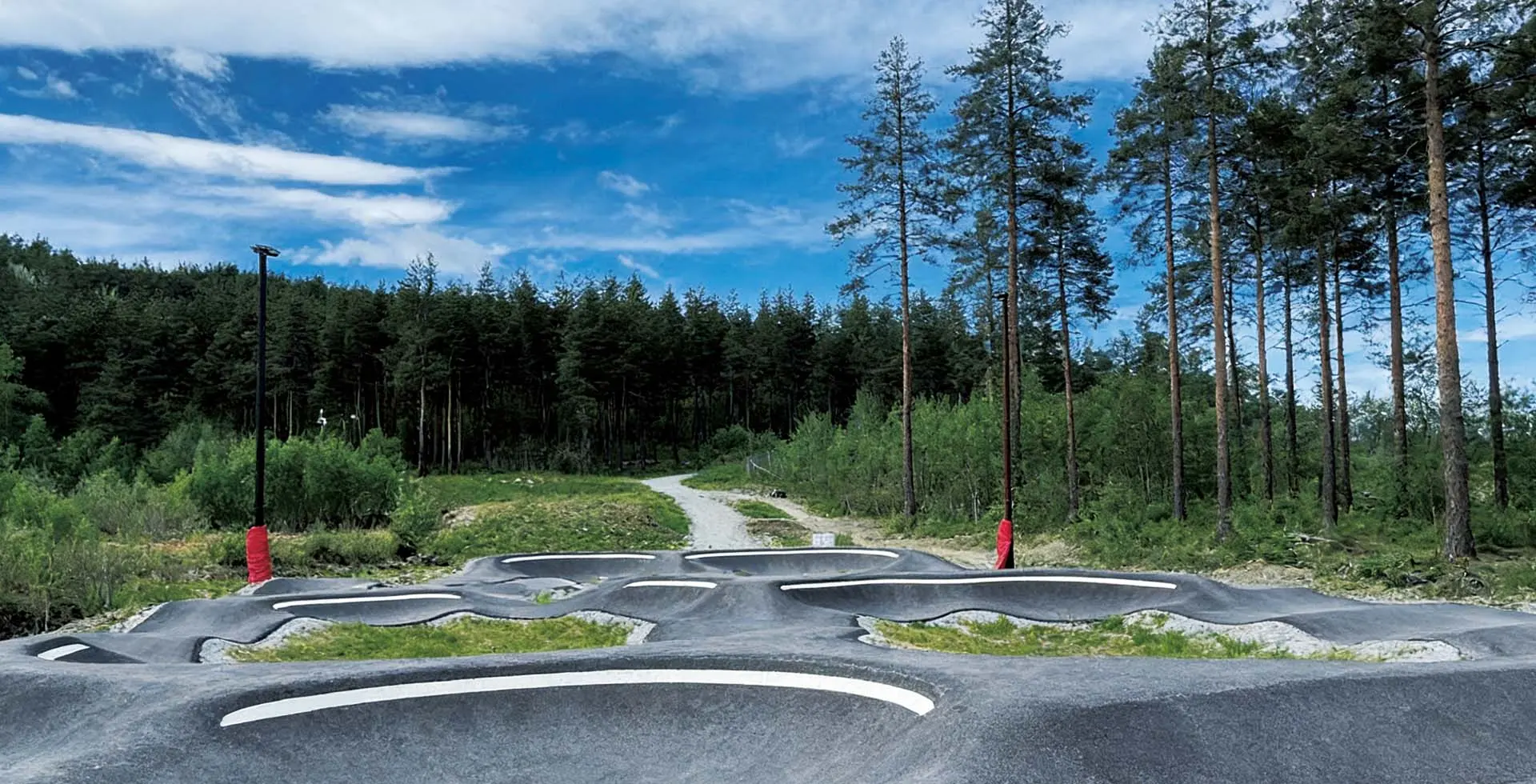
In recent years, modular pump tracks have made a big difference. They have changed things in recreational cycling and competitive cycling too. These new tracks give riders a good choice instead of old dirt tracks. They also beat asphalt tracks and concrete tracks. You might build one for a local community park. Or you might set it up for a pro cycling place. It is very important to know the main differences. These differences cover cost, how fast you set them up, and how much care they need over time.
What Is a Pump Track?
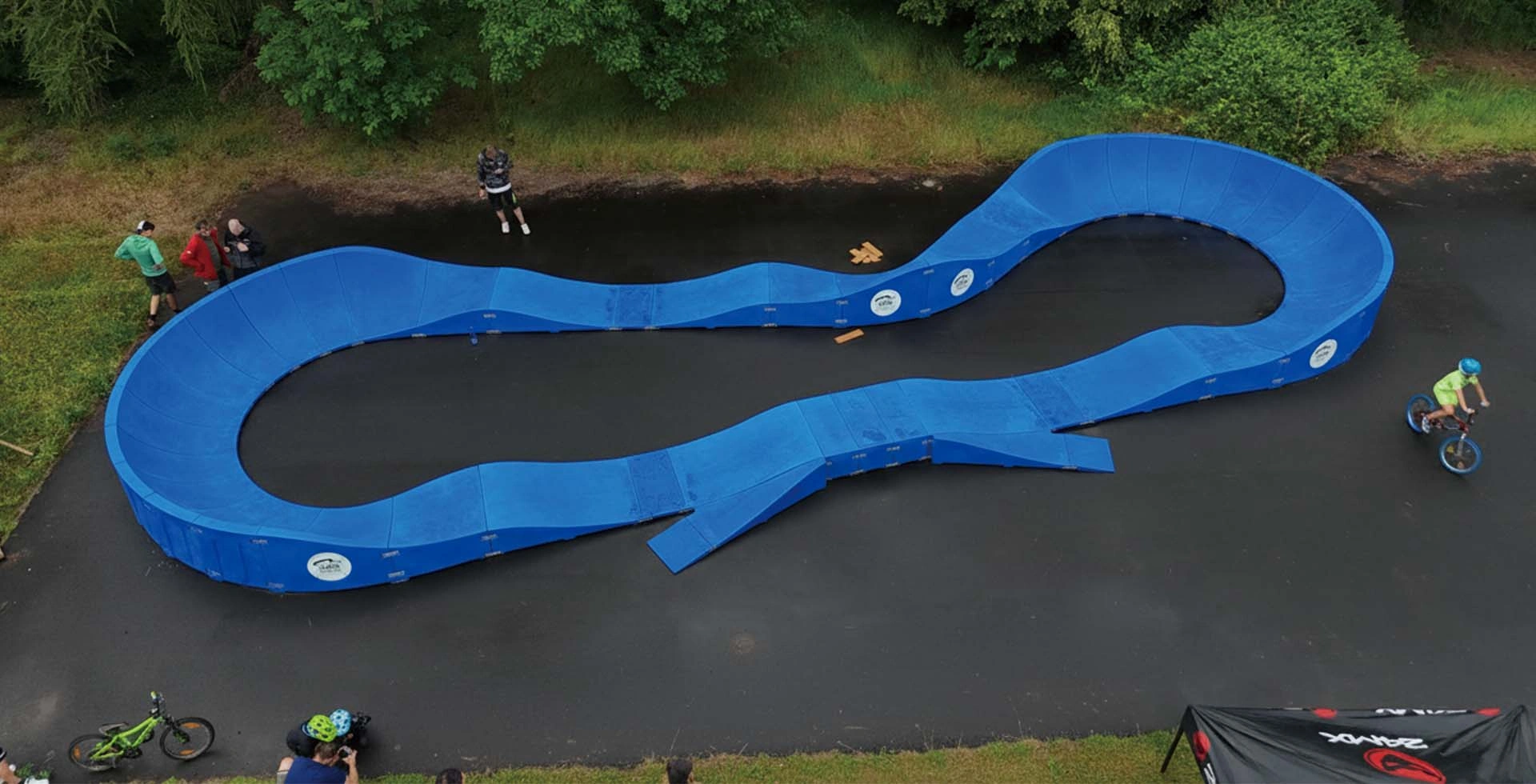
A pump track is a special path for cycling. Riders do not pedal at all. They make their own speed with body moves. This action is called pumping. They shift their weight over small hills and curved sides. Old tracks started with dirt only. But things have changed over time. Now tracks use asphalt. They use concrete too. Some use modular systems. This change makes the tracks easy for more people. Kids and adults can ride bikes on them. Skateboarders enjoy them as well. Scooter riders like them. Even people on inline skates can use them.
This setup works well in many spots. It brings fun to parks and schools. People get exercise without much gear.
Cost Comparison: Modular vs. Traditional Pump Tracks
Cost matters a lot when you plan a pump track. Both kinds have good sides. But their prices differ in clear ways. You need to check the numbers carefully.
Traditional Tracks: Dirt, Asphalt, and Concrete
Old pump tracks come in three main types. Each type has its own price points. These points affect your budget right away and later on.
Dirt Pump Tracks
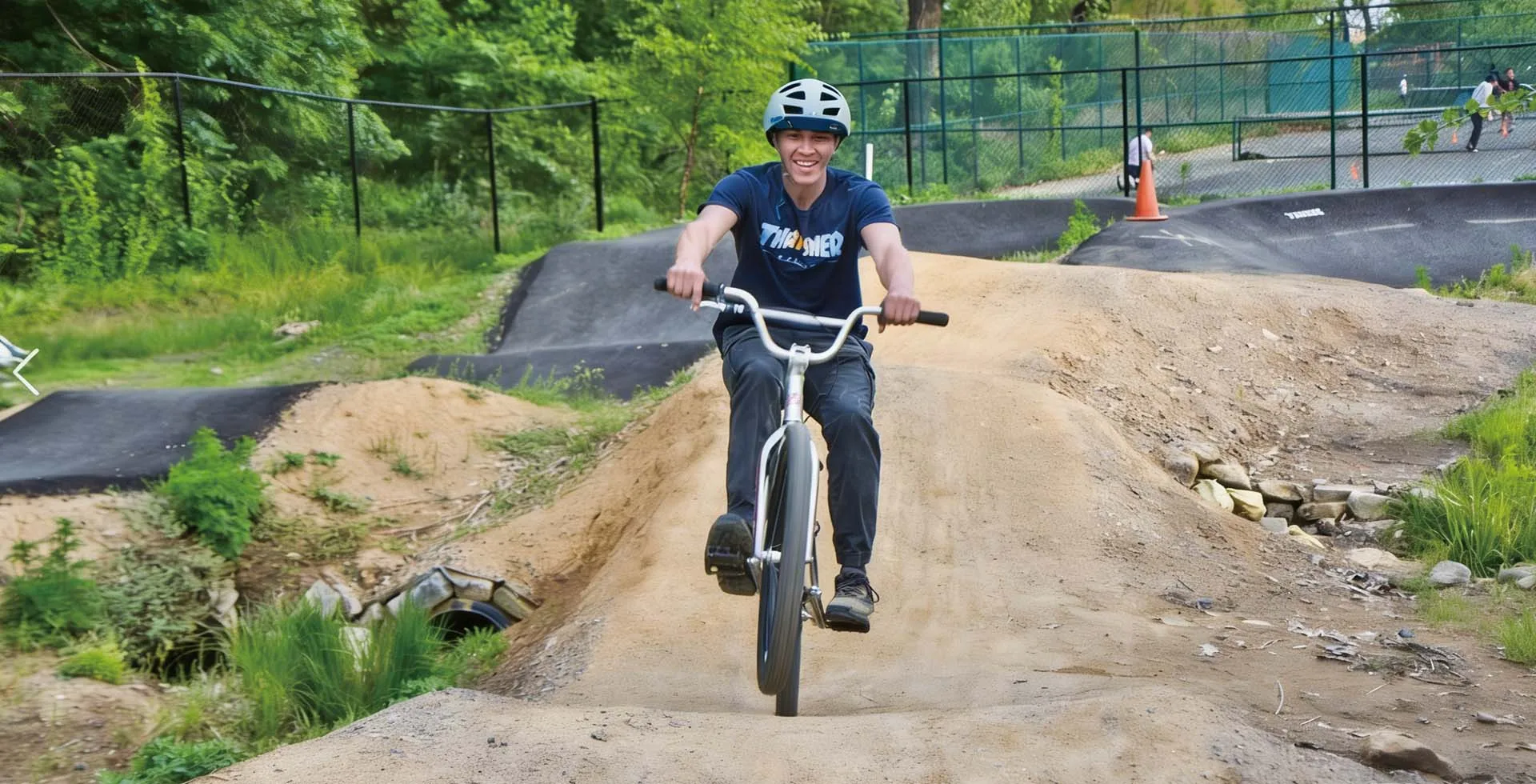
Dirt pump tracks cost the least money at the start. Most of the expense goes to workers who shape the path. They might add a few materials to pack it down hard. But these tracks need care all the time. Weather wears them down fast. Rain causes big problems. After a heavy storm, the ground turns muddy. Riders cannot use it safely then. So people must repair it. They reshape the dirt too. All this extra work adds to the total cost over many years.
Asphalt and Concrete Pump Tracks
Asphalt tracks and concrete tracks last longer than dirt ones. They handle daily use well. But they cost much more money upfront. These materials make the path strong. They stand up to wind and rain. Still, the build process is expensive. You need heavy machines to do the job. Special workers are required too. This high price makes the tracks hard for small towns. It is also tough for community groups with tight budgets.
Modular Pump Tracks: A Good Money Choice
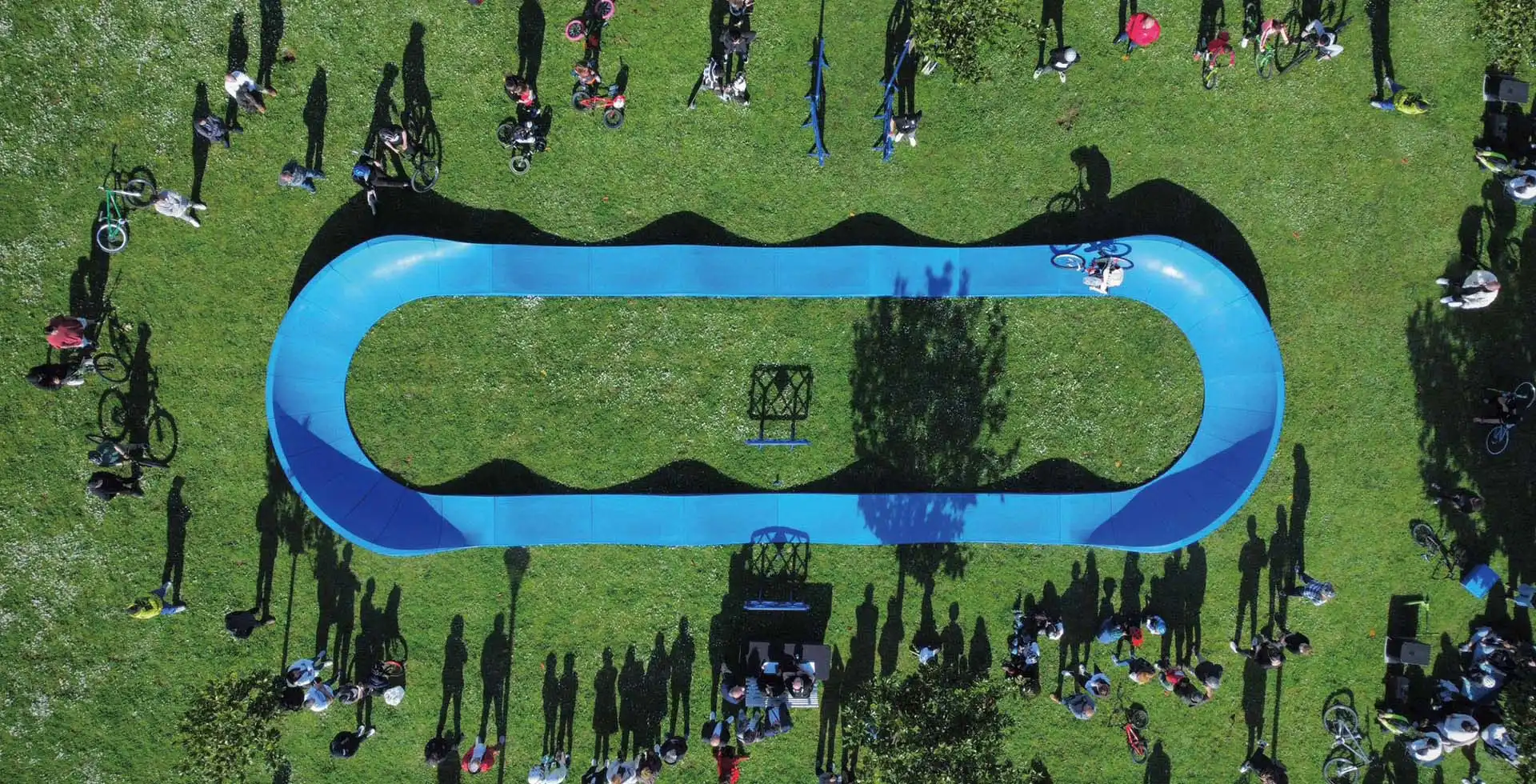
Modular pump tracks, such as the systems from UltraPumpTrack, offer a smart way to save. They use strong plastic modules. These parts go together fast. They come apart easily too. This design makes them flexible for many uses. And they fit most budgets well.
Lower Starting Costs
Modular systems usually cost less than asphalt or concrete tracks. The factory makes the parts ahead of time. So setup costs stay low. You skip heavy machines. Complex labor is not needed either. In fact, modular pump tracks can cost about two-thirds of the price of traditional European options. This saving helps right from the beginning.
Easy to Grow
One big plus with modular pump tracks is how they grow. You can begin with a small layout. Then you add pieces later when money allows. This step-by-step plan fits different budgets. It lets groups start small and expand slowly.
Less Money Needed Later
Modular tracks hold up well over time. They need fewer repairs. The fixes cost less money too. Unlike dirt tracks, they do not break down from weather changes. Heavy riding does not hurt them much. So long-term costs stay low for everyone.
Now that we have checked the costs, it is time to look at setup. How fast can you get the track ready? This part shows big differences too.
Installation: How Fast and Simple It Is
Speed of setup is very important. This is true for short-term events or tight project dates. Modular pump tracks win in this area by a lot.
Traditional Tracks: It Takes a Long Time
Building an old dirt track or concrete track takes many days. The process has several steps. Each step adds time and work.
Site Preparation
First, workers level the ground for dirt tracks. They pack it down tight with effort. Asphalt tracks and concrete tracks need even more prep. You dig out the area. Then you build a solid base underneath. Sometimes you must get permits from local offices. This step alone can slow things down.
Material Application
Next, you spread asphalt or pour concrete. These materials must dry and set hard. The wait can last days or even weeks. Weather plays a role here. Bad conditions make the wait longer.
Finalizing the Track
After the base is ready, workers smooth everything. They shape the hills and curves last. This final work stretches the timeline more.
Modular Tracks: Fast and Simple
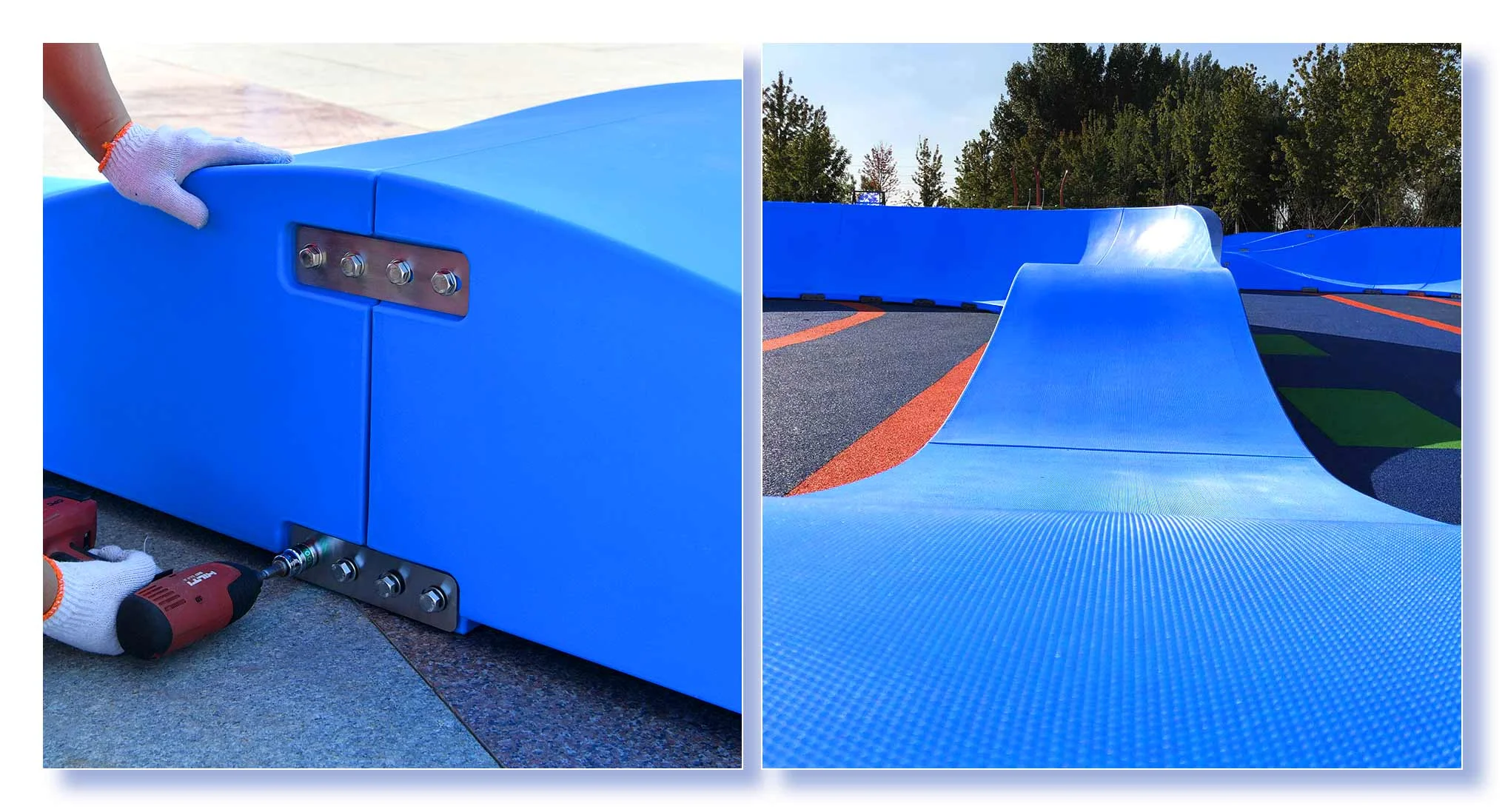
Modular pump tracks go up in a different way. They are quick and easy. Some systems from UltraPumpTrack finish in just one day. You use basic tools only. The connection system is straightforward.
Pre-Made Parts
The modules come ready from the factory. This skips long ground prep. You do not wait for anything to cure. Just link the pieces together step by step.
Little Change to the Area
Modular tracks move easily too. This feature helps for temporary setups. You can change the layout when you want. They work great in parks or schoolyards. The whole process causes very little mess or upset to the space.
After you set up the track, you must think about care. Good care keeps riders safe and happy for years.
Maintenance: How to Keep Costs Low for Years
Taking care of a pump track adds to the total price over time. Old tracks often need more work. Modular ones keep things simple and cheap.
Traditional Tracks: Care Costs a Lot
Dirt tracks wear out fast. Rain and wind change their shape. You must fix them often to keep the path good. If you skip care, the track becomes unusable. Then you face big repair bills later.
Concrete tracks and asphalt tracks last better than dirt. But they still need attention. Cracks can form over time. Small pieces break off. Sunlight and hot or cold weather cause damage. Repairs cost money each time. Wet asphalt turns slippery too. This creates safety issues for riders.
Modular Tracks: Easy Care and Long Life
Modular pump tracks use special plastic composite materials. Care stays simple because of this. The tracks resist weather damage. They do not wear down like dirt. Their surface stays smooth and safe all year.
These tracks handle rain, snow, and strong sun. The shape and ride feel stay the same. Riders enjoy them no matter the season.
You only clean the surface now and then. Minor fixes happen rarely. There is no need to resurface like with asphalt or concrete. This low effort saves money for many years.
UltraPumpTrack stands out as a top name in modular pump tracks. Their products bring extra value here.
ULTRAPUMPTRACK: A Top Choice in Modular Pump Tracks
ULTRAPUMPTRACK offers versatile systems that save money. The designs fit many users. Bike riders love them. Skateboarders and scooter fans do too. Setup is fast and simple. This works for big parks or small events. No big problems come up during install.
The tracks use high-quality plastic. It stands up to weather well. The lifespan is long. Care stays minimal. Communities, schools, and parks pick these tracks often. They want fun spaces that are affordable and easy to change.
They offer an affordable solution that can better meet your needs. It is a smart switch from old track styles. ULTRAPUMPTRACK is now changing the way towns and groups enjoy sports on wheels.
Conclusion
In the end, your choice depends on three main things. These are your budget, setup time, and future care needs. Old tracks feel permanent for some people. Yet they bring higher costs, longer build times, and steady work. Modular pump tracks give a better mix. They cost less, go up fast, and need little care. A system from UltraPumpTrack helps groups enjoy outdoor fun. It avoids heavy money pressure later on. Parks, schools, or events can all benefit. Modular might be the right pick for your spot.
FAQs
1. How Does a Pump Track Work?
A pump track makes speed through body moves. Riders do not pedal. They shift weight over hills and curves. This pumping action keeps them going.
2. What Material Is Our Pump Track Made Of?
Our pump tracks use durable LLDPE plastic. It handles extreme weather. The material ensures long-term strength.
3. What Is the Lifespan of the Modular Pump Track?
With normal use, the modular pump track lasts 8 to 10 years. This gives a solid return for any group or place.
4. What Is the Order Lead Time?
Production usually finishes in 7 to 10 days after the deposit. Delivery takes 20 to 60 days. The exact time depends on the final location.


