

Beginner’s Guide to Mastering Pump Tracks Key Techniques for Smooth Riding
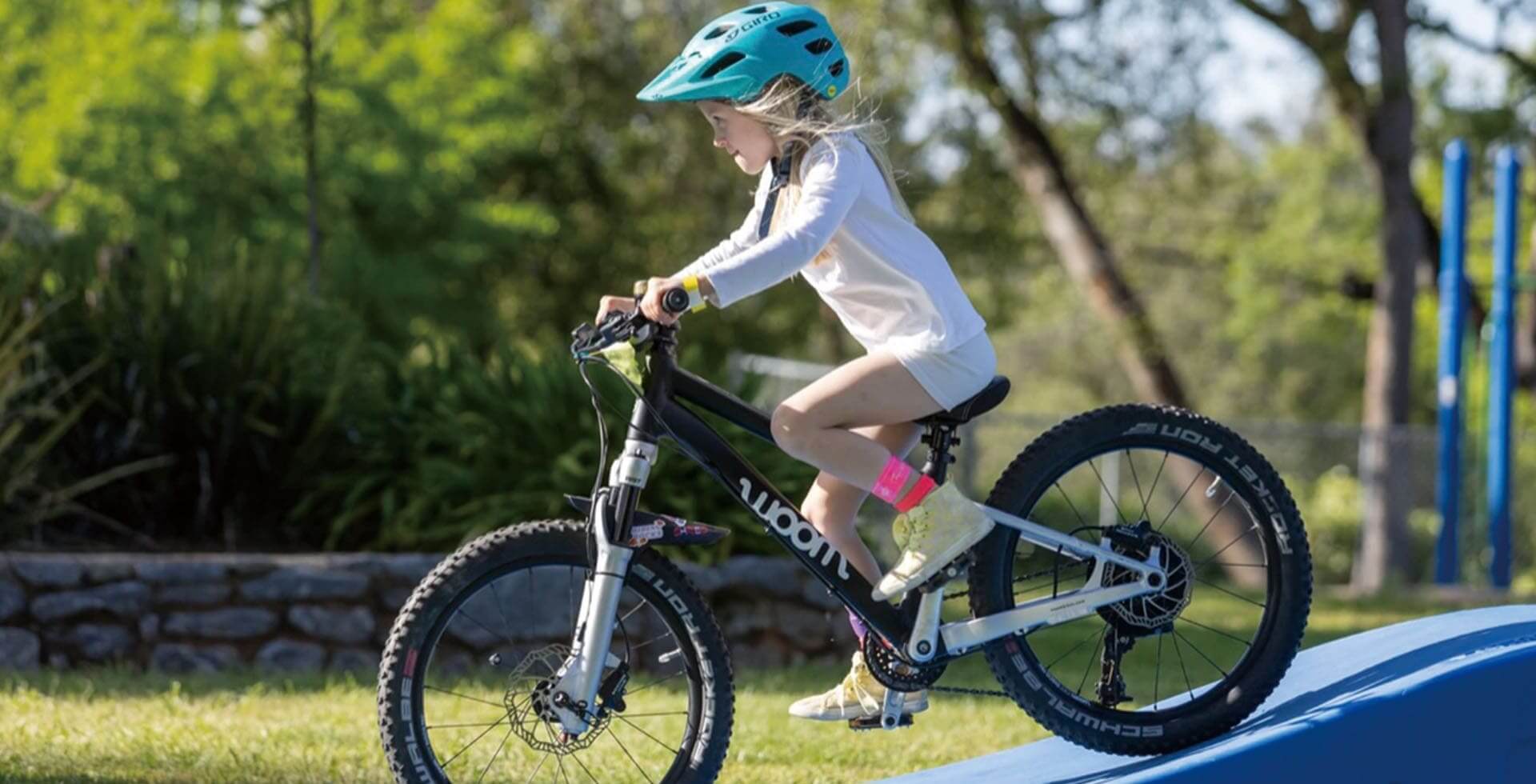
Pump tracks offer a fun path to boost your bike skills. This works if you are new to riding. Or if you have some experience and want to get better at your moves. These tracks give a special ride feel. Riders use body shifts to keep speed and flow. They do not rely on feet pushing. Learning the basics of pump track rides and getting good at main moves can change how you ride. It makes things easy and pleasant. In this guide, we cover all a new rider needs to know. We start from safety tools to harder ride ways.
What Is a Pump Track?
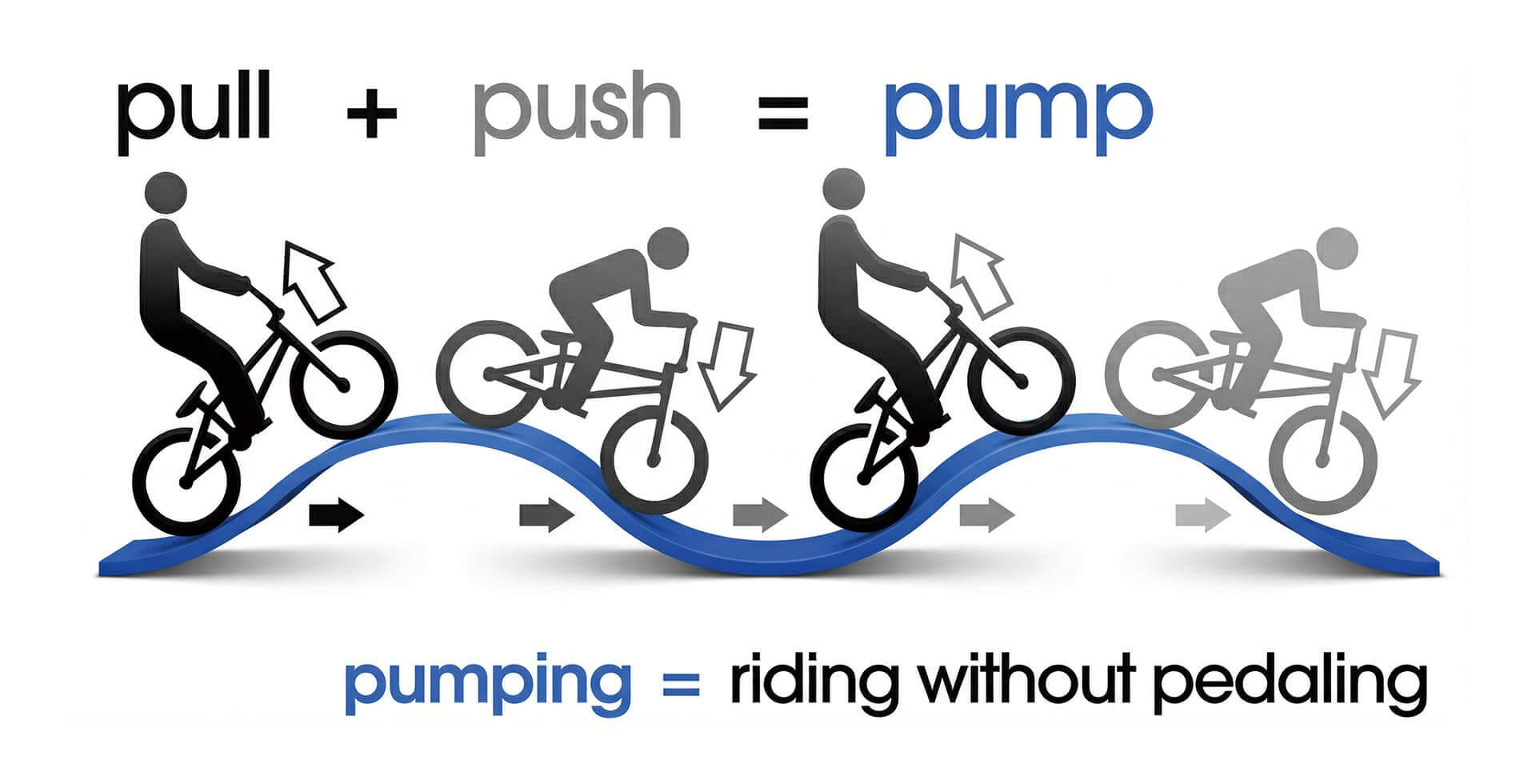
A pump track is a planned path with bumps, banked curves, and waves. Riders use body actions—mainly the “pumping” move—to build speed. They never need to push with feet. The aim is to go through the path while keeping push by moving weight up and down on the bumps and curves.
At first, pump tracks fit BMX and mountain bikes. But as the fun grew, they changed to fit many wheel sports like skating, scooters, and roller blades. New pump tracks often have strong tops, such as hard road, solid mix, or flexible plastic stuff. You can find these tracks in many open spots. They show up in parks, schools, and fun centers.
Safety is the foundation of every good session. Let’s gear up properly before we touch the track.
The Importance of Safety Gear
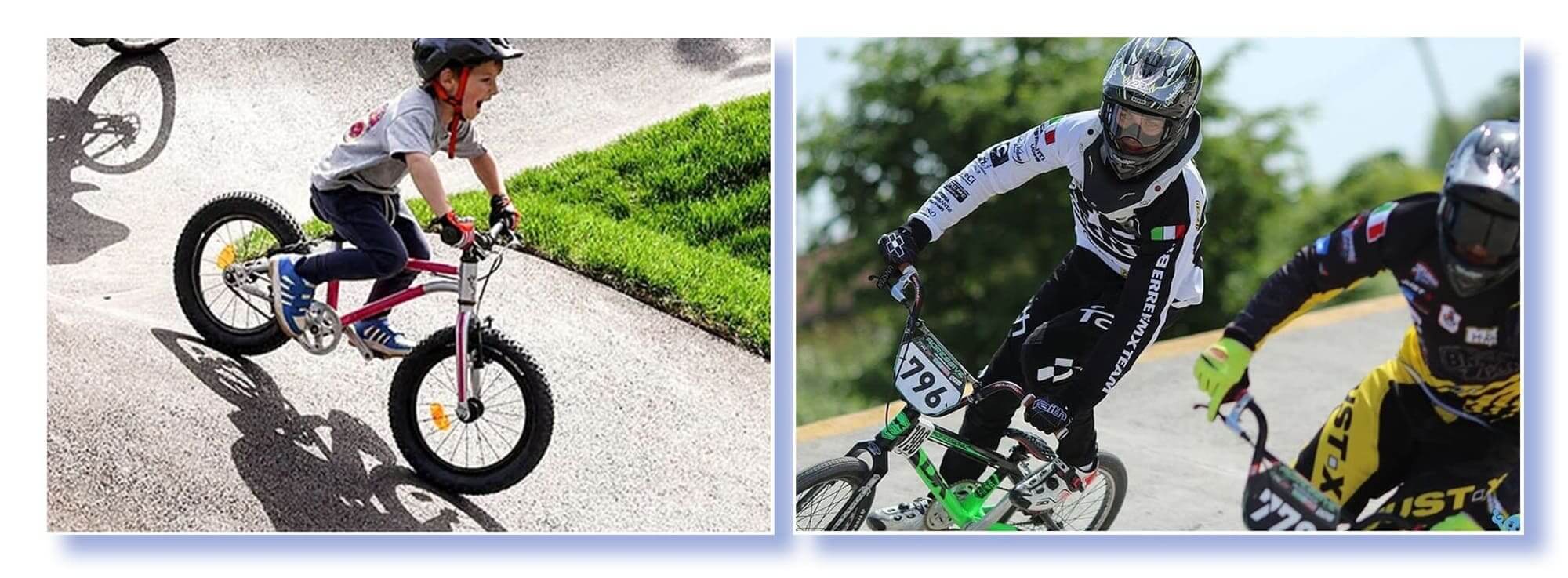
Before you hop on the pump track, make sure you have the right safety stuff. This keeps you safe while you ride. Pump tracks are mostly safe. But mishaps can occur. This happens more as you feel sure and try harder parts of the path.
- Helmet: A solid helmet is key. It is the top safety item for any rider.
- Knee and Elbow Pads: These guards shield your joints if you tumble. They cut the chance of hurt.
- Gloves: A firm set of gloves can guard your hands from scrapes. They also give a stronger hold on the bars.
- Proper Footwear: Tough shoes with firm grip are vital for steady stance when riding or shoving on the path.
Once you’re protected, it’s time to actually get on the bike and start moving.
Understanding the Basics of Riding a Pump Track
Even the smoothest pros started with these simple steps. We’ll take it from the very beginning so you feel confident right away.
1. Getting Started: Mounting the Bike
For new folks, getting on and off your bike might seem odd at the start. The main thing is to stay relaxed. Find a comfy spot on the bike. Begin by riding on a flat area. Practice hopping on and off until you feel okay. Once you are at ease, you can try a few rounds on a basic pump track setup.
2. The Pumping Motion
The heart of pump track riding is the “pumping” way. This lets you hold speed without feet work. To do this move:
- Downhill (Push): As you near a wave (the up hill), bend a bit with knees and arms curved. Shove your body down as you cross the wave. This helps squeeze the bike parts and save power.
- Uphill (Pull): As you climb the next bump, shove with legs and tug your bars up. Stretch your body. Use the push from before to raise you.
Getting good at this back-and-forth between shove and tug as you go through bumps will help you build and keep speed all over the path. This beat-like move is what makes pump track riding so fun and easy.
Once you can pump a few rollers without pedaling, you’ll want to level up your skills even more.
Key Techniques to Master for Smooth Riding
These are the moves that turn clumsy laps into flowing, non-stop rides. Master them one by one and everything clicks.
1. Pumping the Track for Momentum
When on a pump track, you must use your body to “pump” each part. Your shifts drive the path’s beat instead of feet push. New riders often find it hard to keep speed. But with time, you learn to use body strength to slide easy over the path.
Here is how to work on pumping:
- Bend knees when heading down. Push body weight ahead.
- As you go up the next wave, stand straight. Let the push take you to the next drop.
- Stay down in curves to hold balance firm and boost speed.
The more you try, the better you get the flow. This keeps your speed steady without leg shove on the bike.
2. Berms and Turns
Berms are sloped curves that aid riders in holding push. To get good at them:
- Look Ahead: Keep eyes on the next bit of the path. Seeing the coming berm and needed body shifts is key for easy go-through.
- Leaning into Turns: When you enter a berm, tilt your body to the inner side of the curve. Keep your bike mostly straight. This aids control while holding speed.
By tilting into berms and keeping a steady rate, you boost your skill to flow through curves with little work.
Understanding the Terrain and Track Features
Knowing various parts of a pump track aids sure moves. Here is what to spot:
- Rollers: These are the up bumps you pump over. They aid in building push.
- Berms: These sloped curves let you hold speed in corners without balance loss.
- Tabletops: Some pump tracks have bigger leaps or flat tops. These need higher skills. New riders should get good at pumping and curving first before leaps.
Getting the setup and parts of your pump track lets you handle each bit right. This speeds up your ride skill growth.
Uphill sections often stop beginners dead in their tracks. Here’s exactly how to power through them.
How to Tackle Uphill Sections
Up slopes or waves can be hard. They need more work to hold push. New folks often see up parts as tricky. But with the right way, you can build enough speed to flow through them without strain.
To ride up well:
- Use your body: Work on “shoving” your body into the slope. Bend knees and arms as you near the up part.
- Shift Your Weight: Keep body weight in the middle. Shove down as you climb the slope to hold enough speed for the next bit.
By getting good at up ways, you become better at going through the whole pump track. This works even in hard parts.
Why Choose a Modular Pump Track?
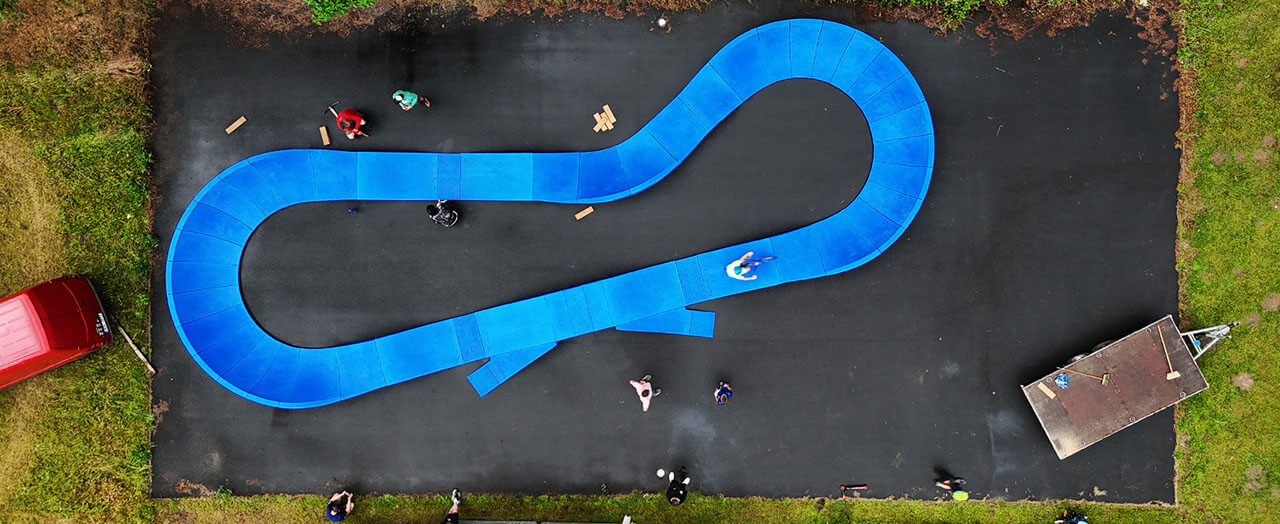
For folks who want a bendy, lasting, and easy-care choice, modular pump tracks are a fine pick. If you set one up at home, in a park, or at a group spot, modular tracks bring a handy, safe, and fun feel for all.
Modular pump tracks fit well for new and skilled riders. These tracks are handy, changeable, and made for all ages and levels. They come from strong stuff that handles many weather types. Their flexible build makes them simple to set up and tweak based on your spot.
Unlike old dirt or hard road paths, modular pump tracks need little care. They give better hold, making them safer and more fun for riders. If you ride for joy or to boost skills, modular pump tracks offer a perfect spot to do it.
Introducing ULTRAPUMPTRACK: A Leading Supplier of Modular Pump Tracks

ULTRAPUMPTRACK has come up as a well-known seller of flexible pump tracks. It offers a fresh fix for outside fun spots. It focuses on top-notch, tough-against-weather flexible setups. So, ULTRAPUMPTRACK gives a tweakable and bendy choice for folks, groups, and shops that want to put in a pump track.
The firm’s flexible pump track setups fit riders of every age and know-how. They give simple setup, strength, and little fix-up. This makes them a fine pick for open parks, school fields, and home lands. The handy nature of the setup lets for special shapes made for certain spots. This makes sure an easy and fun ride for all who use it.
As a top name in the pump track world, ULTRAPUMPTRACK works on giving strong, safe, and cheap fixes. Their pledge to good make and happy buyers makes sure each pump track lasts long. It gives a joyful and busy spot for many wheel games.
Conclusion
Pump tracks give a thrilling and joyful way to raise your bike skills. By getting good at key ways like pumping, handling berms, and dealing with up parts, new riders can fast move to easy and sure riding. The main thing is steady practice and focus on body shifts. Plus, make sure you have the right safety stuff for guard.
FAQs
1. How do I maintain speed without pedaling on a pump track?
By using the “pumping” way, you build push through body shifts instead of feet work. Shove your body down as you cross waves. Lift your body on up parts to hold your speed.
2. What material is used for modular pump tracks?
Our modular pump tracks are made from durable LLDPE plastic material, which is resistant to weather conditions, including extreme heat and cold. It’s a low-maintenance material that ensures long-lasting enjoyment.
3. How long do modular pump tracks last?
A modular pump track has a lifespan of 8 to 15 years, depending on usage and environmental factors. The material used is designed to withstand harsh weather conditions, making it a durable investment.
4. What are the benefits of modular pump tracks over traditional tracks?
Modular pump tracks offer flexibility in design, are easy to assemble, and require less maintenance. They also offer a safer surface with better grip and durability compared to traditional dirt or asphalt tracks.
5. Can I customize the design of my modular pump track?
Yes, modular pump tracks are highly customizable. You can choose from a variety of layouts, colors, and sizes to fit your space and preferences.


