

How to Customize Your Pump Track Scientifically for Different Needs
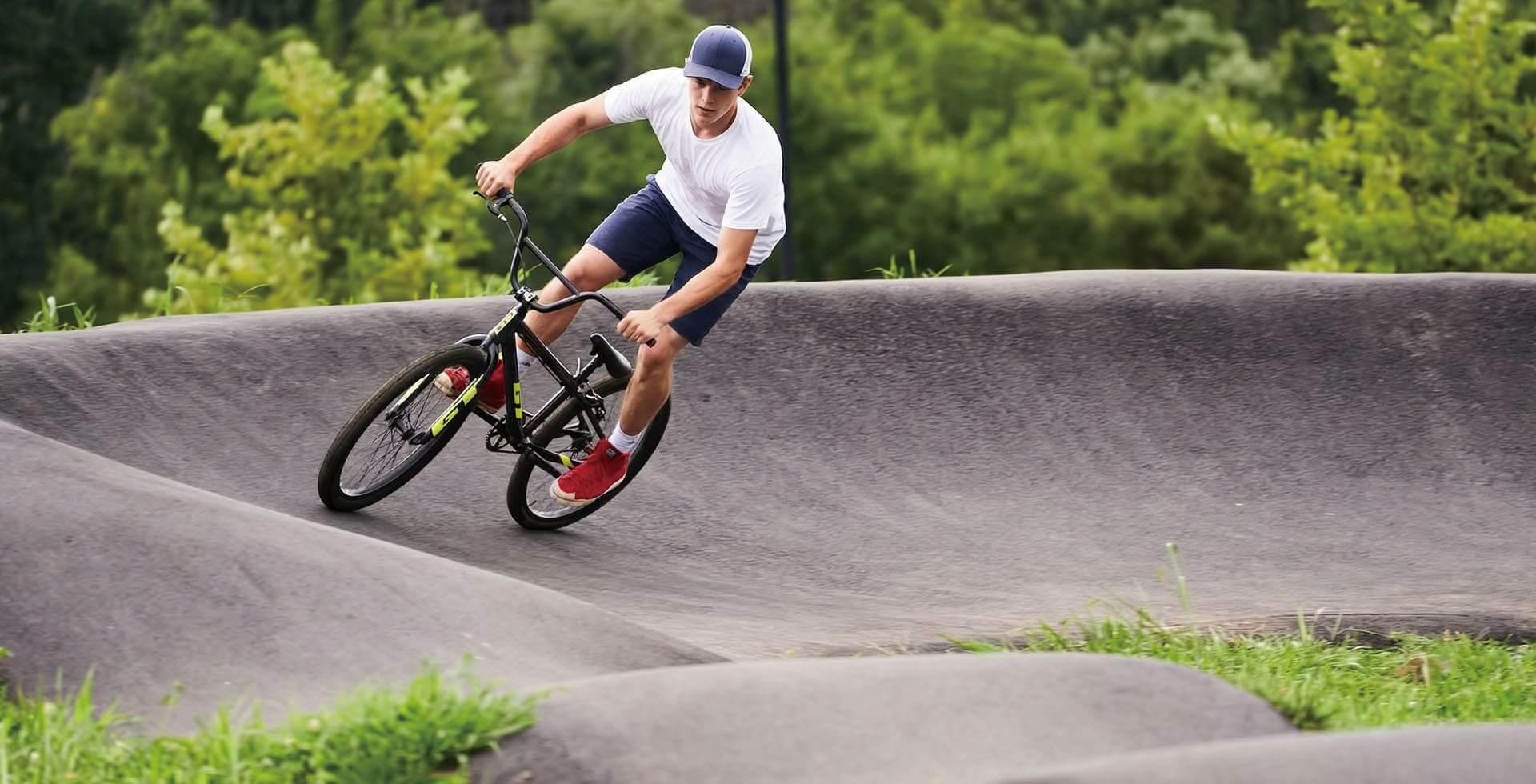
Designing a pump track isn’t the same every time. You might build one for a park in town, a place for serious training, or just fun with the family. The big idea is to make it right for the people who ride it. A solid pump track lets kids, new riders, and experts all enjoy it. Everyone can have a good time and improve. This guide shows you how to plan one that fits what riders really need. You look at the land, the surface, and how the track flows.
Understanding Pump Tracks: A Quick Look
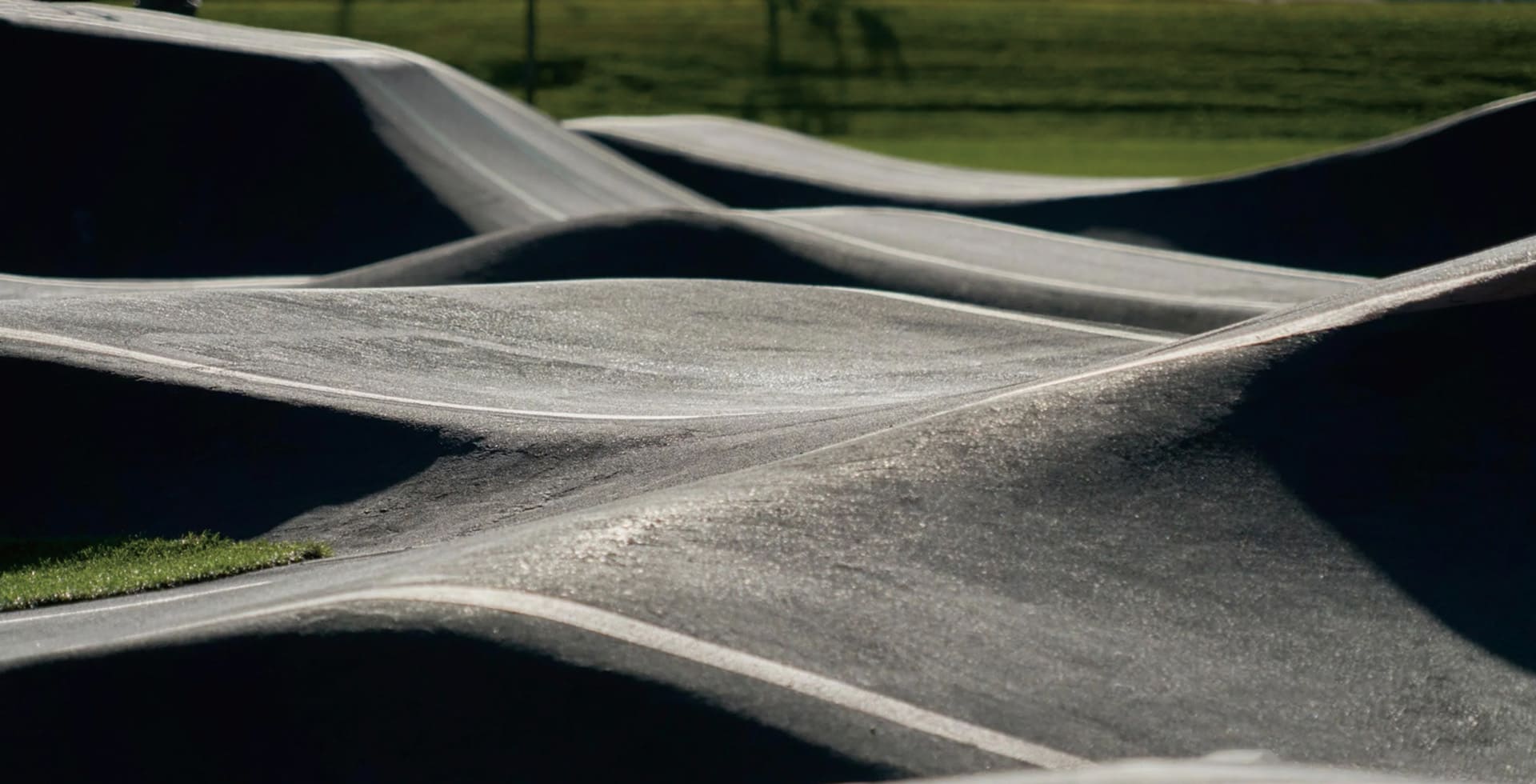
A pump track stands out from skate parks or BMX courses. It uses bumps called rollers and curved walls called berms. Riders build speed by pushing their body up and down. They pump the bike instead of pedaling hard. That motion keeps them going.
The surface isn’t super slick like some race tracks. It gives grip so riders stay steady. That grip helps with safety too. The whole thing makes riding fun and works for anyone, no matter their level.
Key Factors in Designing a Pump Track
A few things matter a lot when you plan a pump track. These points shape the whole build. They help the track feel good, stay safe, and match what riders want. Spend time on each one. It leads to something much better.
1. Look at Your Space and Land First
Begin by checking the spot you have. The ground’s shape changes a lot. Hills give you natural ups and downs. That can make the ride more exciting. Flat land is great for a steady, fast track.
If it’s for families, keep it basic. Go with easy curves and small rollers. Kids ride without worry. For training, bring in more difficulty. Add steeper turns and bigger bumps.
2. Think About Ages and Skill Levels
The track needs to suit all ages and skills. Let riders start simple. Then they can try harder stuff as they get better.
For little kids and beginners, pick wide, low rollers. Throw in soft turns. These help build confidence quick. Space them out. Riders can go slow and learn without pressure.
For those in the middle, mix up the roller sizes. Add berms that aren’t too steep. They pick up speed but stay in control. Different heights let them practice new tricks.
For pros and advanced riders, bring steep berms, tall rollers, and tough jumps. These let them sharpen their skills. They need hard features to keep improving.
3. Design for the Main Purpose: Fun, Training, or Races
Pump tracks can serve different goals. Match the design to how most people use it.
For family fun or backyard rides, make it smooth and easy. Open it to everyone. Features should feel natural. Nothing too scary for small kids.
For training centers, go technical. Riders work on turns, pumping, and speed. If possible, add parts you can change. The track stays useful as they get stronger.
For parks or events, plan for races too. Add easy lines and hard ones. Locals get excited. Serious riders can compete.
4. Choose the Right Surface Material
The surface makes a big difference. It must grip well and hold up over time. A non-slip feel keeps riders steady, even when wet. Lots of tracks use asphalt mixed with rubber. Others go with special dirt or snap-together pieces. While LLDPE (Linear Low-Density Polyethylene) is increasingly being used due to its superior qualities, which is UV-resistant, weatherproof, and offers excellent impact strength.
Keep it mostly smooth for nice flow. But add a little texture here and there. That gives riders something to adjust to. They learn more that way.
5. Put Safety First
Safety comes first always. Pump tracks are safe if done right. Still, add these extras:
Put up padded barriers or fences. They keep riders on track.
Build soft landings for jumps or drops. Use dirt mounds or rubber pads.
Add clear signs. Mark difficulty levels. Point out any risks.
Tailoring Your Pump Track for Different Groups
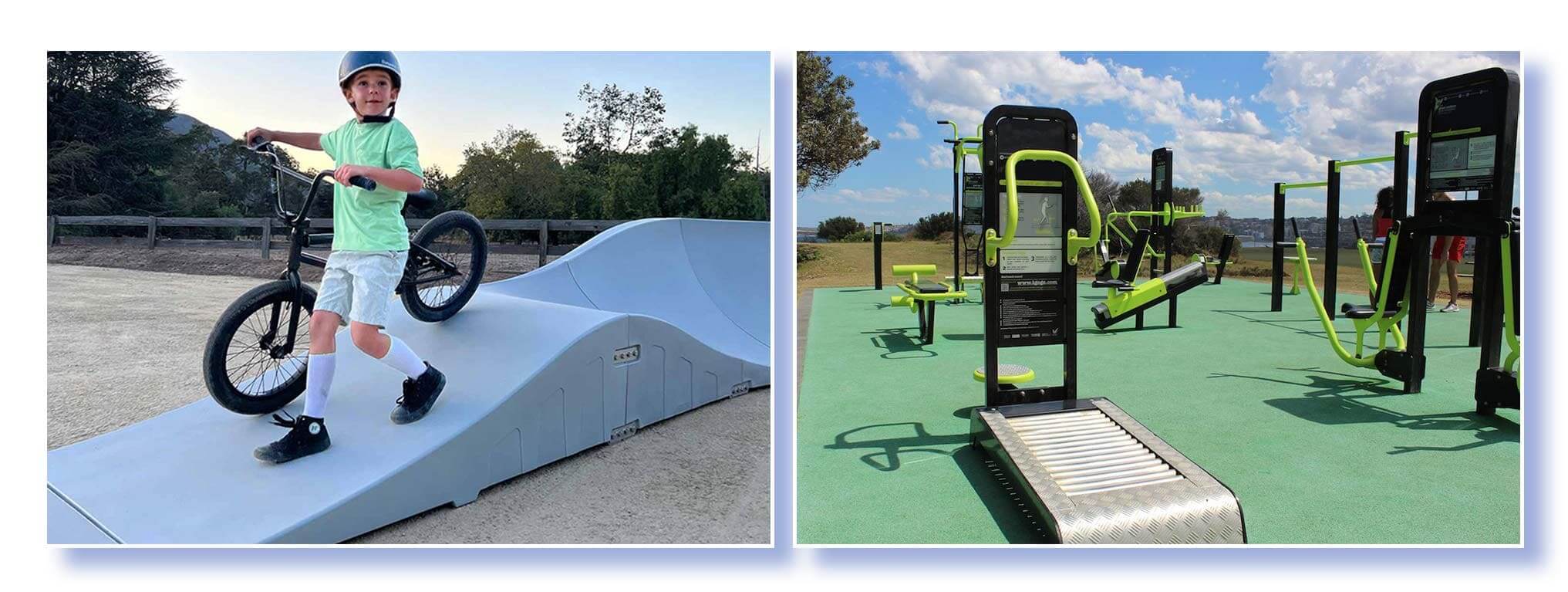
Once you understand the basics and key factors, the next step is to shape the track around the main users. Different groups have their own needs, so adjust the features to fit them best. This makes the track more fun and useful for everyone who shows up.
Family Entertainment Tracks
Family tracks focus on easy fun. Use wide, simple curves. Keep rollers low and gentle. Berms stay soft. The track can stay short. Young riders won’t get worn out or scared.
Put a rest area in the center. Families sit, chat, and watch rides. It feels more welcoming.
Professional Training Tracks
Training tracks build real skills. Add changes in height for extra speed. Use steeper berms and quicker rollers. Let riders pick paths. Easy or hard lines help them push bit by bit.
Pros want tough stuff. High rollers and tight turns work on pumping and turns. The track should challenge them but stay fair.
Competition-Ready Tracks
Competition tracks suit casual riders and top riders. Add several paths with different levels. Include fast straightaways. Riders test their speed there.
Follow standard sizes for features. Races stay fair. Mix fun and hard parts. It draws crowds and competitors.
About ULTRAPUMPTRACK: Your Pump Track Supplier
ULTRAPUMPTRACK is a leading supplier of pump tracks. They make high-quality ones for every kind of rider. From families out for fun to pros in training. They create custom designs for any location. Their tracks use strong materials, focus on safety, and give great rides. ULTRAPUMPTRACK builds tracks that last and bring people back again and again.
Conclusion
Building a pump track for all kinds of riders takes real thought. Layout, surface, and safety features matter most. Whether for family rides, hard training, or local events, smart planning makes it great. It brings folks together and helps them get better on bikes. Choose well. Your pump track turns into a lively spot for riders of any age or skill.
Frequently Asked Questions (FAQs)
Can a pump track be customized for different skill levels?
Yes, it can. Use varied rollers, berms, and jumps. Beginners start easy. Pros get real challenges.
How do I maintain a pump track?
Look it over often for damage. Keep water draining fast. Refresh the surface when needed for good grip.
Are pump tracks safe for children?
Yes, with good planning. Add gentle features and clear signs, especially for family tracks.
How long does it take to build a pump track?
It varies by size, design, and materials. A simple one takes a few weeks. Custom work can add time.


