

7 Steps to a Successful Pump Track: A Comprehensive Guide
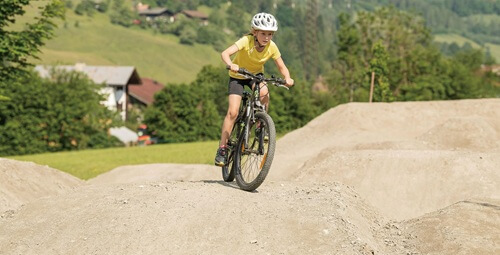
A pump track is a fun and exciting way to ride bikes, skateboards, or scooters. It is a thrilling path that helps people get better at their skills, pick up speed, and stay fit. To make a good pump track, you need to think about things like the plan, stuff to build it, and how to keep it nice. In this guide, we will go over the seven main steps to create a pump track that riders like and that lasts a long time.
Step 1: Learning the Basics of a Pump Track
Before you start to build a pump track, it is key to know what makes one work well. A pump track is a loop with rolls, curves, and small hills. These help riders push forward with body moves instead of always using pedals. The big aim is to keep going fast without pedaling all the time.
One main part of the design is that the ground should have some grip and not be slippery. This lets riders stay in control and steady. So, it is not like smooth paths, which can be risky for going fast or turning sharp.
Step 2: Picking the Best Spot
Finding the right place for your pump track is a big step. You want an area that is easy to get to and has enough space for what you plan. A spot near a town, school, or park can bring in more people. Also, think about rules in the area, weather, and room to grow later.
When you pick a place, check that it is flat and clear of big things like trees or stones. A site that drains water well is best. This stops water from sitting there, which can wear down the track and hurt the ground.
Step 3: Planning the Track
The plan for your pump track matters a lot for how well it works. Each pump track is different, but some basic rules should be there:
Smooth Flow: The track needs to let riders go without stops. The curves should be gentle and not too high. And the rolls should be placed so riders can build up speed in time.
Skill Level Thoughts: A solid pump track plan has parts for all levels. New riders need easy spots with low curves. But skilled ones like tough parts that test them.
Track Size and Setup: The track should be long enough to get fast but not so much that it wears you out. The setup lets riders finish quick, yet it makes them want to try again.
Step 4: Checking Feasibility, Budget, and Getting Permits
First, look at if your pump track idea can work. Check the spot you picked. Think about costs for building and upkeep. Simple tracks might start at around 50,000 euros. Medium ones need at least 100,000 euros. Big ones could hit 150,000 euros. Find money from town funds, gifts from groups, or helpers.
Next, handle the rules side. You need okay from locals for building. This depends on where you live and track details. Get permits for the structure, nature spots if close to water or wild areas, dirt moving, and special uses. Talk to planning and green teams in your area. Put together maps and papers to make it go smooth.
Step 5: Building the Track
Get pros to help with the layout. They pick the kind of track, stuff to use, and ways to make it. Focus on easy moves where riders push without feet or stops. Add safe spots around, clear views, good ways in and out, rules to follow, and signs. Choose types like ones for kids, all users, or jumps. Go for hard tops like asphalt. It lasts long, needs less fix, stands up to rain, and works for all wheels.
Then, start the build with a good crew. It takes weeks or months based on size. Keep green areas and cut down on hard ground for earth care. Watch the work all the time. A boss or checker makes sure things run well. Stick to safe ways, check sizes and even spots, and use set rules like in some places.
For a smooth and quick setup, think about ULTRAPUMPTRACK options. Their pump tracks use strong, reused materials that hold up well in any weather. These tops need little care over time and give great grip for safe rides. Plus, you can put them in fast, often in just hours or a short day, which saves hassle and gets riders going sooner.
Step 6: Keeping It Up and Fixing It
A good pump track stays nice if you care for it. With time, weather and use will wear it down. Here is how to keep it good:
Check Often: Look at the track now and then for problems like big grooves or loose spots. Fix small things early to avoid big fixes later.
Move Water Away: If water gathers in places, find ways to send it elsewhere. Too much water can eat away the top and make it unsafe.
Refresh the Top: The ground might get thin after a while. Add new stuff to busy spots often to keep it working well.
To add more, think about the seasons. In wet times, check more for mud or slips. In dry times, dust can build up, so sweep it off. Get tools like a rake or shovel ready for quick fixes. This keeps riders safe and happy.
Step 7: Getting People Involved
When your pump track is ready, bring in the locals. A top pump track has folks coming back often, so build a group around it. Here are ways to do that:
Hold Events: Set up races or fun contests. This gets riders to meet and play in a nice way.
Share Fix Jobs: Let nearby people help with upkeep. Set up groups to do things like mend the top, pick up trash, and make it look better.
Spread the Word: Use online spots, local ads, and talk to promote your pump track. When more know it, they come and tell others.
To grow the group, think of classes for new riders. Or add signs with tips on how to ride safe. Partner with bike shops for gear days. This makes the spot a fun hub for all.
ULTRAPUMPTRACK: Leading the Way in Pump Track Innovation
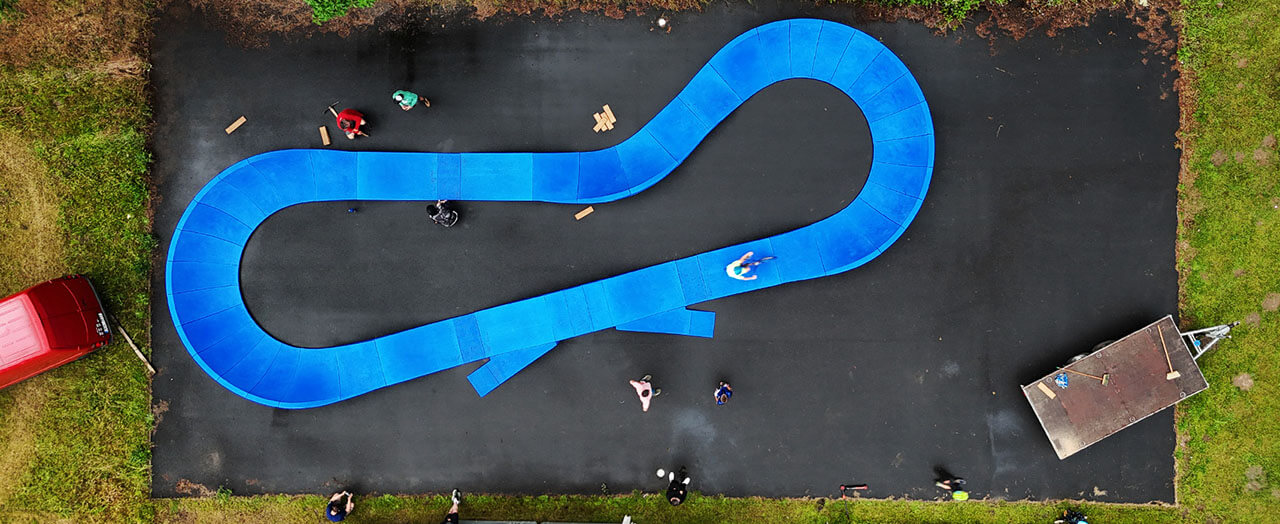
As a top seller of pump tracks,ULTRAPUMPTRACK focuses on giving strong, lasting pump track choices for many places. If you want a short-term one or a forever track, UltraPumpTrack has options you can change to fit new and pro riders. With a focus on good work and new ideas, UltraPumpTrack makes sure your pump track lasts and gives a fine ride.
Conclusion
Making a good pump track is a fun job that brings lots of joy and tests for riders at any level. By doing these seven main steps—from picking the spot and stuff to good care and getting folks in—you can make a pump track that people use for years.
To wrap up, recall that patience helps. Start small if you are new. Talk to riders for ideas. This way, your track fits what they want. Over time, it becomes a loved spot in town.
FAQs
What is a pump track?
A pump track is a path with rolls, curves, and small hills where riders gain speed without pedals. It helps boost skills, health, and ways to ride.
To say more, it works for bikes, boards, and scooters. Kids and grown-ups like it. It builds balance and fun without much cost.
How long does it take to build a pump track?
The time to make a pump track changes with size, stuff, and how you build. It often takes weeks to months.
Factors like team size matter. A small yard one might be quick. A big park one needs more days.
Can I build a pump track on my own?
Making a pump track needs some build skills and right stuff. You can try alone, but for hard ones, get pros for best end.


