

2025 Pump Track Events Highlights and Insights
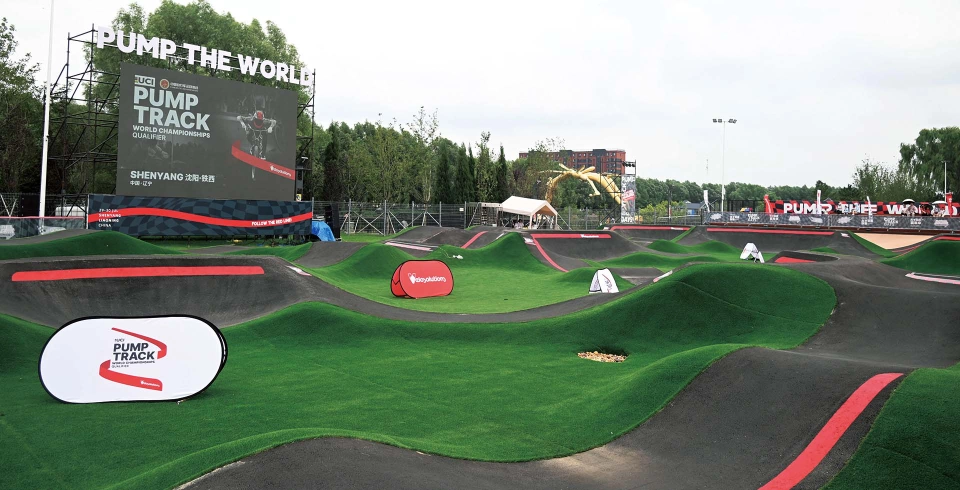
Pump tracks keep drawing crowds, from pros to kids just starting out. This year saw riders push limits across global spots. For those building or riding these tracks, check out Ultra Pump Track for solid options that fit various setups.
Global Stage: Top Competitions That Shaped the Year
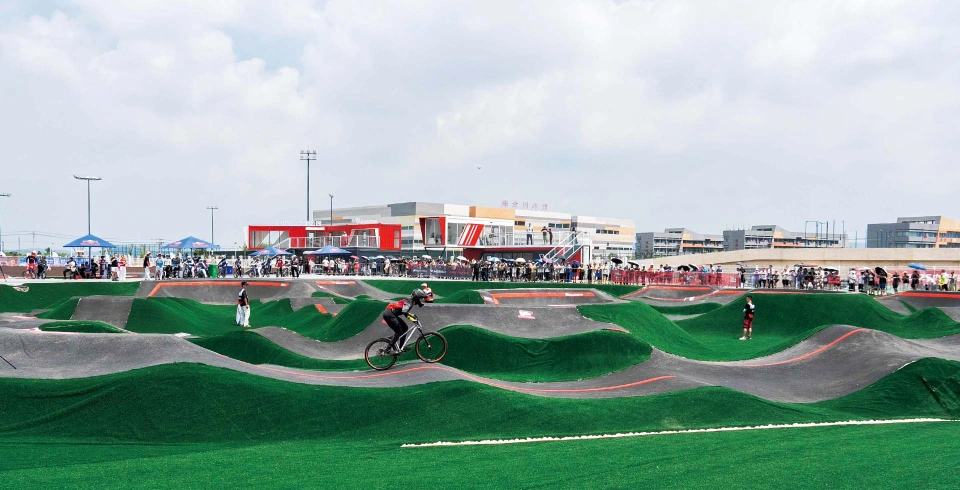
Big events like the Pump Track World Championships 2025 stole the show. Held in Monthey, Switzerland, this gathering pulled in athletes from over 30 countries. Riders battled on smooth, flowing courses, where every pump and turn counted. The finals delivered edge-of-your-seat action. One standout was the men’s category, where seeding runs set a fierce tone. Times dipped under 20 seconds on the 200-meter loop. Women’s races matched that intensity, with tight finishes decided by fractions.
What made these championships click? The mix of skill levels. Beginners watched pros, picking up tips on body position and rhythm. Crowds swelled to thousands, cheering as rainbow jerseys crossed the line. Results from Pinkbike and Mountain Bike Action Magazine captured the buzz—gold went to riders who nailed consistent laps without pedaling.
This momentum carried into other international meets.
Standout Performances and Surprises
Riders adapted to varied track designs, from tight berms to long rollers. In the 2025 UCI Pump Track Championships, Vineta’s run showed how technique beats raw speed. Her smooth transitions shaved seconds off competitors. Videos from the event highlight these moments: a quick pump over a double roller, then a sharp banked turn. Such clips racked up views, inspiring backyard sessions.
Surprises popped up too. Underdogs from smaller nations grabbed podium spots, proving access to quality tracks levels the field. Events like this boost local scenes, where communities host qualifiers. One rider clocked 18.5 seconds in finals, a new benchmark for the series.
Regional Races: Where Local Talent Shines
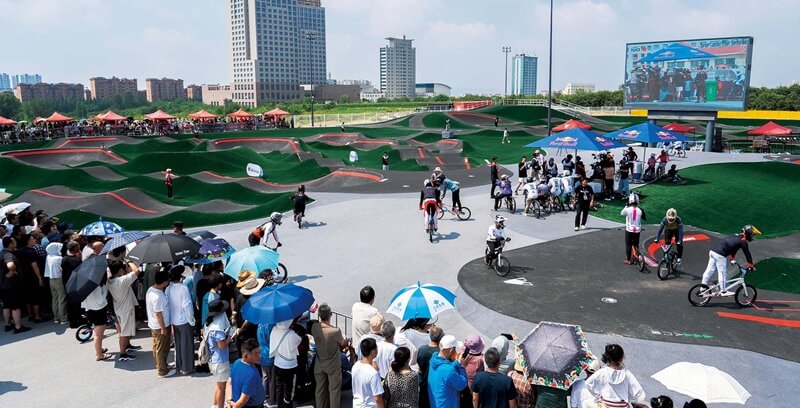
Beyond the globals, regional pump track events in 2025 fired up communities. Australia’s national championships in Camden drew 200 entrants despite rain. Kirkham Park’s track, with its undulating layout, tested endurance. Winners in elite categories averaged 22 seconds per lap, while juniors focused on fun over speed.
Europe saw a surge too. Crankworx Whistler wrapped with the Ultimate Pump Track Challenge, blending slopestyle vibes with pure pumping. Riders from Canada and the US dominated, but international visitors added flair. The 20th edition closed strong, with times improving year-over-year.
These races build skills step by step. A typical event starts with practice laps, then heats. Spectators line the edges, shouting encouragement. Data from AusCycling shows participation up 15% from last year, thanks to more accessible venues.
Events like these connect riders. Families show up, kids on scooters mixing with BMX vets. The energy keeps people coming back.
Key Regional Winners and Trends
In the US, series like the Pump Track Race Series hit spots from coast to coast. Reddit threads buzzed with photos of Oakville and Waterloo tracks—smooth surfaces that let riders flow without interruptions. Winners shared tips: keep weight centered, use arms for momentum.
Trends emerged clear. More events included adaptive categories, welcoming riders with disabilities. One series reported 50 adaptive entrants, a record. Times varied, but the focus stayed on enjoyment. Bullet points capture what riders loved:
- Fast, flowing sections that reward rhythm.
- Safe designs minimizing crashes.
- Community vibes, with post-race gatherings.
Tables help break down top results:
| Event | Location | Top Male Time | Top Female Time |
| Australian Nationals | Camden | 21.2s | 23.1s |
| Crankworx Challenge | Whistler | 19.8s | 21.5s |
| US Regional Series | Various | 20.4s | 22.0s |
Such data shows how tracks influence speeds—smoother ones yield quicker laps.
Community Impact: How Events Build Stronger Scenes
Pump track competitions 2025 went beyond racing. They sparked local growth. In places like parks and schools, events drew families for demos and clinics. Riders learned basics: pump through dips, lean into turns. One clinic in Europe taught 100 kids in a day, using simple drills.
These gatherings strengthen bonds. Organizers noted higher attendance at follow-up sessions. Numbers tell part of the story—events averaged 300 spectators, up from 200 last year. Riders shared stories of progression: starting shaky, ending confident.
Tracks themselves play a role. Durable setups handle crowds, letting events run smooth. Communities report fewer maintenance issues, keeping focus on fun.
Lessons from Grassroots Gatherings
Smaller pump track races 2025 offered real takeaways. At amateur levels, emphasis fell on participation. A Waterloo event saw 150 riders, many first-timers. They practiced on rollers, building speed without fear.
Industry pros weighed in via forums: consistent practice on quality surfaces cuts learning curves. One trend: hybrid events mixing pump tracks with skills parks. This draws diverse crowds—skateboarders, scooter users.
Bullet points sum up benefits:
- Boosts physical fitness through low-impact activity.
- Fosters social ties in outdoor settings.
- Encourages skill-building at any age.
Emerging Trends: What’s Next for Pump Tracks
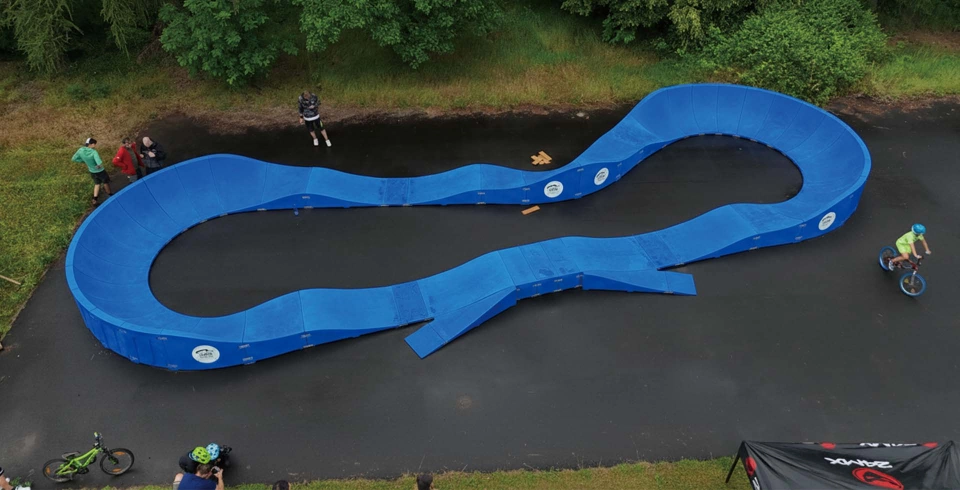
As 2025 pump track events wrapped, patterns stood out. Tech crept in—apps tracking lap times, helping riders improve. Virtual qualifiers let remote athletes join, expanding reach.
Sustainability mattered too. Events favored eco-friendly tracks, reducing footprints. Riders appreciated all-weather surfaces that hold up in rain or heat.
Looking ahead, qualifiers for 2026 worlds already buzz. Australia’s October event at Kirkham Park promises tough competition.
These shifts elevate the sport. More venues mean more access, turning casual riders into enthusiasts.
Introducing ULTRA PUMP TRACK as a Pump Tracks Supplier
For those eyeing new setups, ULTRA PUMP TRACK stands out among suppliers. Founded in 2012 by cycling fans, the company shifted to building tracks in 2014. By 2015, they rolled out modular plastic systems, improving with generations up to the third in 2022. Now in international markets, they offer durable alternatives to dirt or concrete options.
Their tracks suit bikes, scooters, BMX, and skateboards. Designs range from micro layouts for tight spaces to extended ones for bigger areas. Benefits include quick setup—often in hours—and low upkeep. Materials like LLDPE resist weather, lasting 8-10 years with a 5-year warranty.
Services cover design tweaks for custom fits, production in 7-10 days, and shipping help. Case examples show installations in parks and communities, enhancing local riding spots. For details on setups, visit Pump Tracks.
Conclusion
2025 pump track events marked a high point for the sport. From world champs to local races, riders connected, competed, and grew. These gatherings not only highlight talent but also build lasting community ties. As tracks evolve, expect even more inclusive, exciting action ahead.
FAQs
What were the standout pump track events in 2025?
Major ones included the Pump Track World Championships in Switzerland and Crankworx challenges. These drew global riders, with results showing tight races and new records.
How can someone prepare for upcoming pump track events?
Start with basics like practicing rhythm on rollers and turns. Consistent laps on a quality track help. Many events offer clinics for tips.
Where to find reliable pump track suppliers for events?
Look for providers like those offering modular designs. Check options at Service for real installs.


